
院内制剂

Search documents
科学与健康|八部门联合“开方”,中药工业如何高质量发展?
Xin Hua Wang· 2026-02-10 03:59
Core Viewpoint - The implementation plan for the high-quality development of the traditional Chinese medicine (TCM) industry from 2026 to 2030 aims to establish a collaborative development system for the entire TCM industry chain by 2030 [1] Group 1: Quality Improvement - The plan emphasizes the importance of improving the quality of raw materials by establishing high-standard production bases in major production areas [2] - Factors such as origin, climate, soil, and cultivation techniques significantly affect the quality of medicinal materials, which in turn impacts the therapeutic effects of TCM [2] - As of June 2025, China has supported artificial breeding of 14 endangered medicinal materials and has achieved industrial production of substitutes for rare materials [2] Group 2: Innovation and Collaboration - The plan proposes collaborative innovation initiatives to enhance the transformation of TCM preparations in medical institutions, focusing on overcoming technological bottlenecks [3] - A cooperative model involving renowned doctors, hospitals, schools, and enterprises is encouraged to integrate resources effectively [3] - The Beijing Daxing District's Guang'anmen Hospital has successfully transformed over 20 TCM varieties, with 4 of them becoming innovative TCM drugs [3] Group 3: Digital Transformation - The plan outlines actions to enhance manufacturing capabilities, including the establishment of 20 smart factories and the cultivation of 10 green factories [4] - The application of smart devices in the TCM industry is expected to facilitate the transition from traditional experience-based practices to precision-based methods [4] - The use of artificial intelligence and big data is aimed at constructing knowledge graphs for classic formulas and experiences from renowned TCM practitioners [4] Group 4: Future Outlook - The next five years are deemed critical for the transformation and upgrading of the TCM industry, with expectations for further modernization and high-quality development as the plan's measures are implemented [5]
跨越千里的“东医西送”
Xin Lang Cai Jing· 2026-02-01 22:23
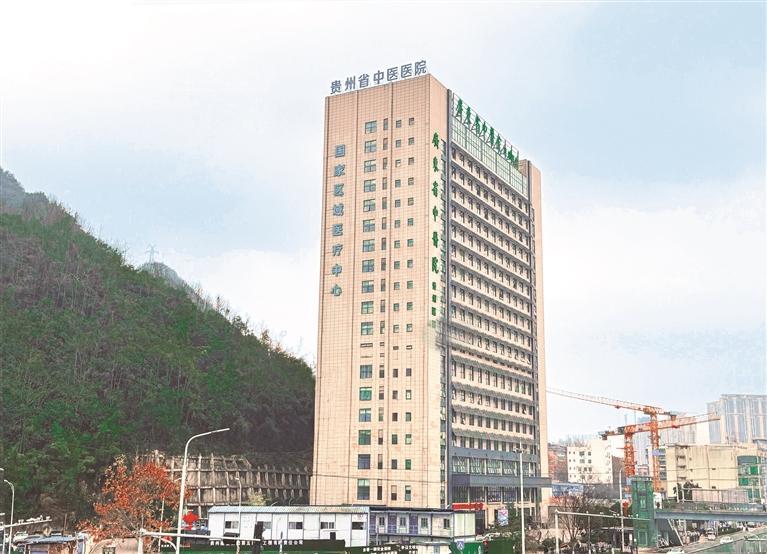
Core Insights - Guangdong Provincial Traditional Chinese Medicine Hospital in Guizhou officially opened on February 11, 2023, marking a significant step in the East-West collaboration strategy and aiming to enhance the development of traditional Chinese medicine in Guizhou [7][8][24]. Group 1: Hospital Development and Achievements - The hospital has adopted an integrated management model, focusing on brand, technology, management, and talent transfer from Guangdong to Guizhou, resulting in significant growth in service capacity and quality [9][10]. - Over three years, the hospital has expanded to 16 clinical departments, with several key specialties achieving national and provincial recognition, and has seen a substantial increase in patient volume, including 19,132 patients from outside the province [10][11]. - The hospital's performance in provincial public hospital assessments ranks it among the top national regional medical centers, with a surgical rate of 86.25% for advanced procedures [9][10]. Group 2: Talent and Knowledge Transfer - The hospital has established a robust talent support system, with 26 permanent experts from Guangdong and numerous temporary experts providing guidance, alongside a mentorship program for local practitioners [11][12]. - A comprehensive training program has been implemented, with over 280 staff members receiving training at the Guangdong headquarters, ensuring the transfer of core regulations and operational procedures [11][12]. Group 3: Service Quality and Patient Experience - The hospital has focused on enhancing patient experience through optimized processes and a patient-centered approach, achieving a patient satisfaction rate of 97.66% [16]. - Innovative services such as "one-code payment" and telemedicine have been introduced to improve accessibility and efficiency in patient care [15][16]. Group 4: Research and Community Engagement - The hospital has initiated 47 research projects and has been recognized for its contributions to scientific innovation, enhancing its clinical capabilities [17]. - Community outreach programs have been established, including free medical consultations and educational initiatives to promote traditional Chinese medicine, thereby strengthening its role in regional healthcare [19][20]. Group 5: Future Plans and Strategic Goals - The hospital aims to establish itself as a modern comprehensive national regional medical center, focusing on sustainable development and expanding its influence in Southwest China [10][20]. - Ongoing projects include the construction of a second phase of the Nanning campus and the establishment of a national rehabilitation center, which will further enhance its service capacity and regional healthcare integration [20][24].

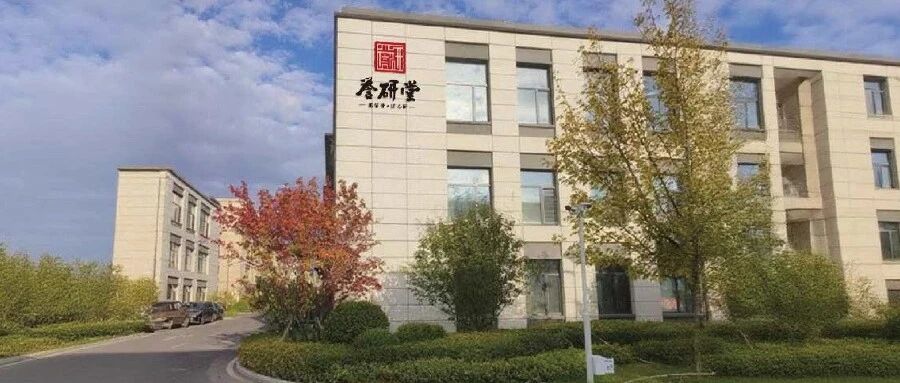
誉研堂递表港交所 以“全生命周期诊疗模式”构建现代中医服务体系
Zhi Tong Cai Jing· 2026-01-17 06:01
Core Viewpoint - Harbin Yuyuantang Traditional Chinese Medicine Clinic Group Co., Ltd. has submitted its prospectus to the Hong Kong Stock Exchange, aiming to leverage its innovative "full lifecycle diagnosis and treatment model" to enhance its market position in the traditional Chinese medicine sector [1][7]. Group 1: Business Model and Services - The company integrates offline licensed medical institutions with a dedicated online platform, creating a comprehensive service system that includes "offline initial diagnosis and online follow-up" [1][2]. - Yuyuantang's full lifecycle diagnosis and treatment model covers disease prevention, adjustment, treatment, and health maintenance, providing personalized and continuous health management services [2][7]. - The company has established a network of 48 self-operated licensed medical institutions in Northern China, utilizing a unified cloud-based medical information system for digital management [2][6]. Group 2: Market Position and Customer Loyalty - According to a report by Frost & Sullivan, Yuyuantang ranks second among private chain TCM medical service providers in Northern China by total revenue and first in revenue from medicinal pastes [1]. - The company's customer repurchase rate reached 81.1% as of September 30, 2025, indicating strong market recognition of its service value and efficacy [3]. Group 3: Product Development and Supply Chain - Yuyuantang adheres to the "one person, one prescription" principle, offering various personalized traditional Chinese medicine formulations, including decoctions, pills, powders, and pastes [4]. - The company has developed proprietary non-heritage pastes that enhance patient compliance and serve as key components in chronic disease management [4]. - Yuyuantang is focused on building a dedicated facility for producing traditional Chinese medicine pieces, ensuring supply chain security and quality control through vertical integration [6]. Group 4: Strategic Outlook - The company plans to expand its geographic footprint in provinces such as Shandong, Hebei, Henan, and Tianjin, while enhancing resource allocation and market influence [6]. - With the ongoing implementation of the "Healthy China 2030" initiative and various TCM revitalization policies, the market for TCM medical services is poised for systematic growth, aligning with the increasing demand for long-term health management [7].
新股前瞻 | 誉研堂递表港交所 以“全生命周期诊疗模式”构建现代中医服务体系
智通财经网· 2026-01-17 04:49
Core Viewpoint - Harbin Yuyantang Traditional Chinese Medicine Clinic Group Co., Ltd. has submitted its prospectus to the Hong Kong Stock Exchange, aiming to leverage its innovative "full lifecycle diagnosis and treatment model" to enhance patient care and capitalize on the growing demand for traditional Chinese medicine services in China [1][7]. Group 1: Business Model and Services - The company integrates offline licensed medical institutions with a dedicated online platform, creating a comprehensive service system that includes "offline initial diagnosis and online follow-up" [1][2]. - Yuyantang's "full lifecycle diagnosis and treatment model" covers the stages of "preventive care, disease management, treatment, and recovery," providing personalized health management solutions through modern TCM assessment tools and big data analysis [2][3]. - The company has established a network of 48 self-operated licensed medical institutions in northern China, utilizing a unified cloud-based medical information system for digital management [3]. Group 2: Product Offerings - Yuyantang adheres to the "one person, one prescription" principle, offering various personalized TCM formulations, including decoctions, pills, powders, and ointments, which enhance patient compliance and serve as key components in chronic disease management [4]. - The company has proprietary non-heritage ointments and several self-developed hospital formulations that are continuously refined based on clinical experience, forming a standardized and clinically validated foundation for its services [4]. Group 3: Talent and Team Structure - The company employs 292 full-time medical professionals, ensuring stable and continuous service quality, while its research committee consists of 98 experts, driving innovation and maintaining high standards in patient care [5]. Group 4: Supply Chain and Production Strategy - Yuyantang's core strategy includes building a dedicated facility for producing TCM raw materials, which enhances supply chain security and quality control from raw materials to final products [6]. - The company aims to expand its regional presence in provinces such as Shandong, Hebei, Henan, and Tianjin, while digitally transforming its production facilities to ensure quality assurance [6]. Group 5: Market Opportunities - The traditional Chinese medicine service market is experiencing systemic growth opportunities due to the "Healthy China 2030" initiative and various TCM revitalization policies, aligning with the increasing demand for long-term health management [7]. - Yuyantang's innovative service model and integrated operational ecosystem position it well for accelerated growth through its upcoming public listing, reflecting a shift in the private TCM sector towards standardized and sustainable high-quality development [7].
誉研堂冲刺港交所:专注中医医疗的全生命周期服务,在北方拥有48家自营门店
IPO早知道· 2026-01-17 01:52
Core Viewpoint - Harbin Yuyantang Traditional Chinese Medicine Clinic Group Co., Ltd. (Yuyantang) is set to list on the Hong Kong Stock Exchange, aiming to expand its traditional Chinese medicine services through a fully integrated treatment model and a self-built network of licensed medical institutions [3][5]. Group 1: Company Overview - Yuyantang was established in 2018 and operates a network of 48 self-built licensed medical institutions in Northern China, ensuring standardized operations and consistent care quality [5]. - The company ranks fifth among private chain TCM service providers in China by total revenue and first in revenue from traditional Chinese medicine preparations [5]. - Yuyantang has a high customer loyalty rate, with a repurchase rate of 81.1% in the first three quarters of 2025 [5]. Group 2: Service Model and Offerings - The company follows a "one person, one prescription" principle, offering personalized TCM preparations, including decoctions, pills, powders, and ointments, enhancing patient compliance [6]. - Yuyantang has developed proprietary in-house formulations based on clinical experience, which are integral to its chronic disease management processes [6]. Group 3: Workforce and Innovation - As of January 6, 2026, Yuyantang employs 292 full-time medical professionals and has a research committee of 98 experts, driving innovation and improving patient care standards [7]. - The TCM service market in China is projected to grow from 659.9 billion yuan in 2019 to 1,020.16 billion yuan by 2024, with a compound annual growth rate of 10.1% expected until 2029 [7]. Group 4: Future Development Plans - Yuyantang plans to expand its geographic footprint in provinces like Shandong, Hebei, Henan, and Tianjin, focusing on self-built and self-operated models to enhance market penetration [8]. - The company aims to digitally transform its production facilities and strengthen its service and product value through standardized TCM services and backend product collaboration [8]. Group 5: Financial Performance - Yuyantang's revenue for 2023 and 2024 is projected at 150 million yuan and 215 million yuan, respectively, reflecting a year-on-year growth of 43.5% [8]. - For the first three quarters of 2025, revenue increased by 96.6% to 284 million yuan compared to the same period in 2024 [8]. - The adjusted net profit margins for 2023, 2024, and the first three quarters of 2025 are 13.7%, 12.6%, and 21.7%, respectively [9]. Group 6: IPO Fund Utilization - Approximately 33% of the IPO proceeds will be used to open new licensed medical institutions, while 24% will enhance production capacity [9]. - Other allocations include 10% for developing intelligent systems, 10% for brand enhancement, and 5% for optimizing TCM services, particularly in in-house formulations [9].
《郑州市中医药发展促进条例》3月1日起施行
Zheng Zhou Ri Bao· 2026-01-16 00:47
Core Viewpoint - The implementation of the "Zhengzhou Traditional Chinese Medicine Development Promotion Regulations" marks a significant step towards the legalization and standardization of traditional Chinese medicine (TCM) in Zhengzhou, effective from March 1, 2026, addressing public health needs and development challenges in the TCM sector [1][2]. Group 1: Legislative Framework - The new regulations aim to transform policy deployment into legal frameworks, providing legal guarantees for the establishment of a national TCM innovation development pilot zone and enhancing the Zhengzhou Qihuang cultural brand [2][3]. - The regulations address core issues such as service systems, industry development, and talent cultivation, establishing specific chapters for regulation [3]. Group 2: Industry Development - The regulations support the establishment of TCM research platforms and the transformation of TCM achievements into industrial applications, including the construction of regional TCM preparation centers and standardized preparation rooms in medical institutions [3][4]. - The integration of TCM with other industries such as food, culture, tourism, and health is encouraged to create a new ecological model for TCM industry in Zhengzhou [3]. Group 3: Talent and Technology Empowerment - A multi-level talent system is being developed, focusing on high-end, mid-level, and grassroots talent cultivation, with the introduction of high-end talent teams [5]. - The integration of artificial intelligence with TCM services, research, and regulation is highlighted as a new focus area, aiming to create a smart TCM ecosystem [5][6]. Group 4: Quality and Safety Measures - The regulations mandate the establishment of a quality traceability system for TCM materials, ensuring safety and quality throughout the supply chain [4][8]. - Measures to combat counterfeit products and promote international TCM cultural exchange are included to enhance Zhengzhou's global influence in TCM [4]. Group 5: Infrastructure and Investment - The government plans to clarify departmental responsibilities and promote collaboration among various departments to strengthen the grassroots TCM service foundation [8]. - Investment in infrastructure, talent, and research is prioritized, along with the optimization of medical insurance payment policies to reflect the value of TCM [8].
让健康福祉扎根基层——定西市持续推进卫生健康事业高质量发展
Xin Lang Cai Jing· 2026-01-12 09:46
Group 1 - The core viewpoint of the article emphasizes the continuous advancement of health and wellness initiatives in Dingxi City, focusing on integrating traditional Chinese medicine with modern technology to enhance healthcare services [1][2][3] Group 2 - The Longchun Traditional Chinese Medicine Hospital in Dingxi is enhancing its services by developing traditional practices and integrating them with modern technologies, such as artificial intelligence, to improve diagnosis and treatment of complex diseases [1] - The Dingxi City Center for Disease Control and Prevention operates as a critical facility for monitoring and controlling infectious diseases, providing essential scientific data for public health decisions [2] - The city has implemented various public health reforms and initiatives, such as "Ten More Points" and "One Registration for Three Days," aimed at improving healthcare accessibility and increasing public satisfaction with health services [2][3] - The health system in Dingxi is aligned with national strategies to build a healthier China, focusing on addressing aging populations and ensuring a robust healthcare service framework to support economic and social development [3]
多元赋能,广中医深圳医院得壹中医药创新转化中心启用
Nan Fang Du Shi Bao· 2025-12-23 12:04
Core Viewpoint - The establishment of the "De Yi Traditional Chinese Medicine Innovation and Transformation Center" marks a significant step in Shenzhen's efforts to develop a leading TCM innovation city and a strategic platform for the inheritance and innovation of TCM in the Guangdong-Hong Kong-Macao Greater Bay Area [1][2]. Group 1: Challenges and Objectives - The TCM sector faces challenges such as insufficient inheritance, lack of innovation, and ineffective transformation mechanisms [2]. - Shenzhen, despite its advantages, still lags behind cities like Beijing and Shanghai in TCM innovation and patent output [2]. - The center aims to leverage the unique policies and advantages of the He Tao Cooperation Zone to explore new paths for TCM modernization, industrialization, and internationalization [2]. Group 2: Development Framework - The center's construction is a systematic restructuring rather than mere spatial expansion, with a clear top-level design [3]. - It establishes a "one-three-five-seven" development system, focusing on creating an international TCM innovation transformation platform [3]. - The three platforms include a TCM health product drug transformation platform, an intelligent TCM equipment system platform, and a Hong Kong-Shenzhen TCM cooperation exchange platform [3]. Group 3: Core Advantages and Focus Areas - The center will focus on major chronic diseases such as cardiovascular diseases, diabetes, tumors, and respiratory diseases, utilizing the clinical foundation of Guangzhou University of Chinese Medicine Shenzhen Hospital [4]. - It aims to enhance technology research and product innovation through multi-party collaboration and complementary advantages [4]. Group 4: Systematic Support and International Collaboration - The center will establish a comprehensive support system from laboratory to market, including a professional concept verification and small-scale testing base [5]. - A technical transfer team will provide one-stop services covering intellectual property, outcome evaluation, and commercial connections [5]. - The center will promote AI technology integration and international collaboration, connecting global resources to advance TCM innovation [5]. Group 5: Collaborative Mechanisms and New Business Models - The center will promote cross-border joint research mechanisms and resource sharing among universities, research institutions, and enterprises in the Greater Bay Area [6]. - It will explore new business models combining TCM, health care, and tourism, developing cross-border health tourism products [7]. Group 6: Initial Achievements and Future Outlook - The center has already made progress in areas such as in-hospital formulation development, intelligent TCM equipment research, and patent transformation [8]. - It has signed cooperation agreements with over 20 domestic and international institutions and enterprises, establishing a diversified ecosystem for industry-university-research collaboration [8]. - The center aims to build a national-level TCM inheritance and innovation center, creating a virtuous cycle of research, transformation, industry, and promotion [8].
西安:支持企业培育一批过亿元中药大品种 持续在生产领域扩大产能
Mei Ri Jing Ji Xin Wen· 2025-12-17 07:03
Core Viewpoint - The Xi'an Municipal Government has issued the "Implementation Plan for Promoting the Capacity Enhancement of the Biopharmaceutical Industry (2025-2027)", focusing on developing a comprehensive traditional Chinese medicine (TCM) industry chain [1] Group 1: Industry Development - The plan aims to build a TCM industry chain that includes "herb cultivation - traditional Chinese medicine production - brand development" [1] - Encouragement is given to areas like Zhouzhi County to establish TCM production bases and restore the functionality of the Wanshou Road National TCM Professional Market [1] - Support will be provided for the construction of an online trading platform to ensure sustainable development and continuous supply of TCM herbs, addressing the upstream cultivation shortfall [1] Group 2: Production and R&D - The initiative includes fostering enterprises to cultivate a number of TCM products with annual revenues exceeding 100 million [1] - There will be an increased focus on the research and development of classic prescriptions, proven formulas, and new TCM drugs, as well as support for the secondary development of major TCM products and the transformation of hospital preparations [1] - The goal is to strengthen the "Qin Medicine" brand and expand production capacity in the sector [1] Group 3: Economic Goals - By 2027, the target is to achieve an industry scale of 9 billion in the TCM chain group within the city [1]
冬补藏安康 沈阳中医药文化市集热闹开集
Zhong Guo Xin Wen Wang· 2025-11-23 01:58
Core Insights - The event "Traditional Chinese Medicine Culture Market" aims to promote TCM culture and meet public health needs during winter, organized by Shenyang Health Commission and Shenyang Traditional Chinese Medicine Hospital [1] Medical Sector - The medical section focuses on winter diseases and body conditioning, featuring a team of renowned TCM experts providing free pulse diagnosis, tongue diagnosis, and personalized treatment services [1] - Specialized consultations and preventive guidance are offered for common winter illnesses such as cardiovascular diseases, respiratory diseases, and children's recurrent respiratory infections [1] Health and Wellness Sector - Free experiential areas for acupuncture, massage, cupping, scraping, and ear acupressure are set up to allow citizens to experience TCM techniques [2] - Activities include group teaching and demonstrations of traditional exercises like Baduanjin and Tai Chi, promoting physical activity for health [2] - Interactive games and handcraft projects are organized to engage youth in TCM culture, including making herbal sachets and traditional medicinal products [2] Cultural and Creative Sector - The cultural section features free tastings of classic winter health dishes such as ginger lamb soup and red date tea, alongside the sale of health products and cultural merchandise [2] - Traditional medicine-making techniques are showcased, allowing citizens to participate in the creation of herbal products and learn about ancient methods [2] Industry Sector - A display area for local medicinal materials highlights the geographical advantages and medicinal value of Liaoning's native herbs [3] - TCM enterprises present products like health food packages and smart moxibustion devices, integrating TCM with modern health technology [3] - An AI TCM diagnostic area utilizes wearable devices to collect health data, predicting potential health risks and providing preventive advice based on big data analysis [3]