中国茶文化

Search documents
海角之城“春”潮起——在南非开普敦感受中非人文交流
Xin Hua Wang· 2026-02-02 13:31
Group 1 - The event in Cape Town celebrated the Chinese New Year, showcasing cultural exchange between South Africa and China, emphasizing themes of reunion and hope [1][2] - The celebration featured various activities, including food stalls with traditional Chinese dishes and cultural experience areas, attracting both local citizens and the Chinese community [1] - Performances included lion dances, Sichuan opera face-changing, and martial arts, highlighting the unique charm of Chinese culture while also incorporating local African elements [2] Group 2 - Participants expressed that such events promote mutual understanding and cultural diversity, enhancing friendships between different ethnic groups [2] - The event aligns with the Year of Cultural Exchange between China and Africa, emphasizing the importance of civilizational mutual learning and connection among people [2] - Local youth actively participated in performances, indicating a growing interest in Chinese culture and martial arts, which they believe contributes positively to their personal development [2]
“我与中国的学术之缘”系列访谈之二:外国学者眼中的中国学奥秘
Huan Qiu Shi Bao· 2025-10-26 22:52
Group 1: Cultural Significance of Chinese Tea - The exploration of Chinese tea culture and its historical significance, particularly through the Tea Horse Road, highlights its role in promoting cultural exchange and tourism [2][3] - Chinese tea culture embodies a philosophy that extends beyond mere consumption, encompassing aspects of philosophy, traditional medicine, lifestyle, and ethical family values [2][3] Group 2: Multicultural Understanding and Global Respect - Scholars emphasize the importance of understanding the diversity of Chinese civilization, moving beyond simplistic labels like "Confucianism" to appreciate its complex, multi-religious, and multi-ethnic nature [4][5] - The rise of China has led to a reevaluation of the concept of "civilization" in social sciences, providing a unique perspective for comparative studies between Chinese and Western civilizations [6][7] Group 3: Language and Cultural Exchange - The concept of "Cultural Negotiation Studies" introduced by scholars emphasizes the importance of cultural interaction and dialogue, rather than mere knowledge transfer [8][9] - The unique characteristics of Chinese characters influence the history of language contact and cultural exchange, highlighting the need for understanding cultural context in translation [8][9] Group 4: Dance as a Cultural Lens - Chinese dance is presented as a unique window into understanding Chinese culture, reflecting aesthetic qualities and innovative spirit [10] - The dynamic nature of Chinese dance, which evolves while maintaining its traditional roots, showcases the cultural diversity of China as a multi-ethnic nation [10]
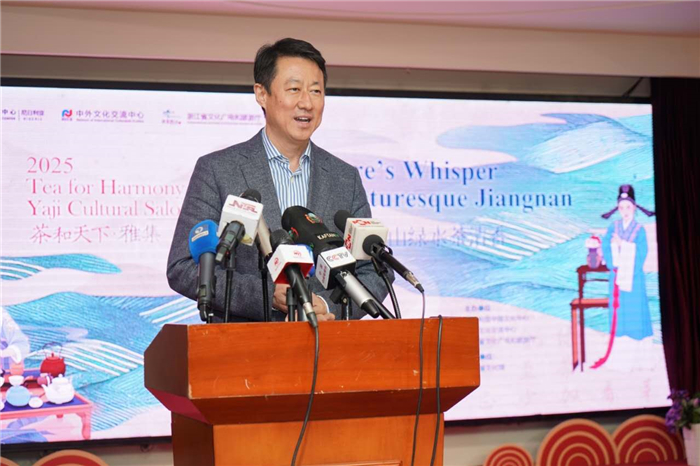
“茶和天下·雅集”文化活动在尼日利亚中国文化中心举办
人民网-国际频道 原创稿· 2025-05-26 02:10
Group 1 - The event "Tea and the World: Gathering in Nature" was successfully held in Nigeria, showcasing Chinese tea culture and traditional performances to promote cultural exchange between China and Nigeria [1][2] - The event was attended by nearly 300 participants, including diplomats from various countries, Nigerian cultural representatives, and students, highlighting the significance of international cultural collaboration [1][2] - The Chinese ambassador emphasized the importance of this event in strengthening cultural ties and mutual understanding between China and Nigeria, especially in light of the upcoming "Year of China-Africa Cultural Exchange" in 2026 [2] Group 2 - The event featured tea ceremonies, traditional Chinese opera performances, and interactive exhibitions, which received positive feedback from attendees regarding the depth of Chinese tea culture and artistic expressions [6][9] - Nigerian guests expressed gratitude for China's support in various sectors, including infrastructure and cultural development, and recognized the shared values between Chinese and Nigerian cultures [2][6] - The performances included various traditional Chinese opera segments and instrumental solos, which were well-received by the audience, further enhancing the cultural exchange experience [9]