
中子火箭

Search documents
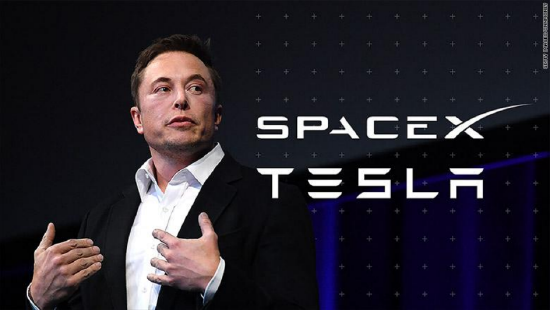
史上最大IPO来临:马斯克开始准备殖民火星了|硅谷观察
Xin Lang Cai Jing· 2026-01-29 23:42
Core Viewpoint - SpaceX, led by Elon Musk, is preparing for an initial public offering (IPO) potentially around June 28, aiming to raise up to $50 billion with a target valuation of $1.5 trillion, which would set a record for the largest IPO in history [2][16]. Group 1: Company Overview - SpaceX's valuation has reached $800 billion in a recent internal equity transaction, doubling from $400 billion in July 2025, making it the most valuable private company globally [2][29]. - The company has transitioned from near bankruptcy in 2008 to a dominant player in the commercial space sector, successfully launching the Falcon 1 rocket and securing significant contracts with NASA [7][9]. Group 2: Business Segments - SpaceX's business model consists of two main segments: rocket launch services and Starlink satellite internet, with the majority of revenue coming from Starlink [8][40]. - The company has achieved over 90% of the global commercial payload launch market, with a record launch frequency of 167 times in 2025, significantly surpassing all other countries [9][38]. Group 3: Starlink and Future Growth - Starlink, launched in 2015, has become the largest satellite internet provider globally, with over 9 million users and a projected revenue contribution of over 70% to SpaceX's total revenue by 2025 [11][40]. - The Starship system, a fully reusable heavy-lift rocket, is central to SpaceX's future plans, with the potential to drastically reduce launch costs to $100-200 per kilogram [13][42]. Group 4: IPO and Market Recognition - The anticipated IPO is expected to surpass the previous record set by Saudi Aramco in 2019, with Morgan Stanley likely to be the lead underwriter [16][45]. - SpaceX's competitive advantages include advanced technology, cost efficiency, and a stable cash flow, with the company reportedly achieving positive free cash flow for several consecutive years [19][46]. Group 5: Competitive Landscape - Despite SpaceX's dominance, competitors like Blue Origin and Rocket Lab are emerging, with Blue Origin successfully launching its New Glenn rocket and developing its satellite internet project [20][49]. - The commercial space sector is witnessing rapid growth, with various companies exploring different niches, including satellite internet and small satellite launches [22][52]. Group 6: Broader Implications - SpaceX's IPO signifies a pivotal moment in the commercialization of space, potentially attracting more capital and accelerating technological advancements in the industry [29][58]. - The company aims to establish a human presence on Mars by the 2030s, with ambitious plans for interplanetary colonization and advanced space infrastructure [15][42].

太空科技行业2026年展望(英)
Morgan Stanley· 2026-01-26 08:40
Investment Rating - The aerospace technology industry is rated as attractive for 2026, with Rocket Lab (RKLB) and MDA upgraded from Equal Weight (EW) to Overweight (OW), while Iridium Communications (IRDM) is downgraded from OW to EW [1][4][7]. Core Insights - The aerospace industry is expected to continue benefiting from favorable trends that drove strong performance in 2025, including increased launch frequency, new product introductions, policy support, and market maturation [3][8]. - The report highlights significant growth in the space industry, with record launch activities in 2025, including over 315 successful launches, a year-on-year increase of over 20% [3][17]. - The report emphasizes the importance of government contracts and the integration of aerospace and defense markets, particularly in light of geopolitical dynamics and the U.S. government's support for commercial solutions [3][8][11]. Summary by Sections Launch Providers - Rocket Lab (RKLB) is expected to increase its launch frequency from 21 to 28 missions in 2026, with a target price (PT) raised from $67 to $105 due to recent contract wins [9][45]. - Firefly Aerospace (FLY) plans to launch its Alpha rocket in 2026, with a PT increase from $27 to $33, reflecting improved market conditions and expectations for increased launch frequency [9][38]. Aerospace Services - Iridium Communications (IRDM) has been downgraded to EW with a PT reduction from $37 to $24 due to increased competition and strategic shifts following the SpaceX-Echostar spectrum deal [10][62]. - Viasat (VSAT) has seen a significant stock increase of approximately 305% in 2025, driven by successful satellite launches and improved investor confidence in its defense business [57]. Key Trends - Direct-to-device (D2D) connectivity is expected to mature in 2026, with several new services anticipated to launch, including IRDM's NTN Direct [13]. - The report notes the potential for significant government contracts related to missile defense systems, with MDA upgraded to OW and a PT increase from $32 to $46 due to its favorable positioning in this market [11][16]. Market Dynamics - The report discusses the competitive landscape, highlighting the challenges faced by traditional satellite communication providers like IRDM and GOGO due to emerging competitors like Starlink [58][62]. - The aerospace industry is characterized by a mix of established players and new entrants, with varying performance based on specific market segments and competitive pressures [9][57].