
中山大学极地号

Search documents
寻找一块冰
Xin Lang Cai Jing· 2026-01-03 22:19
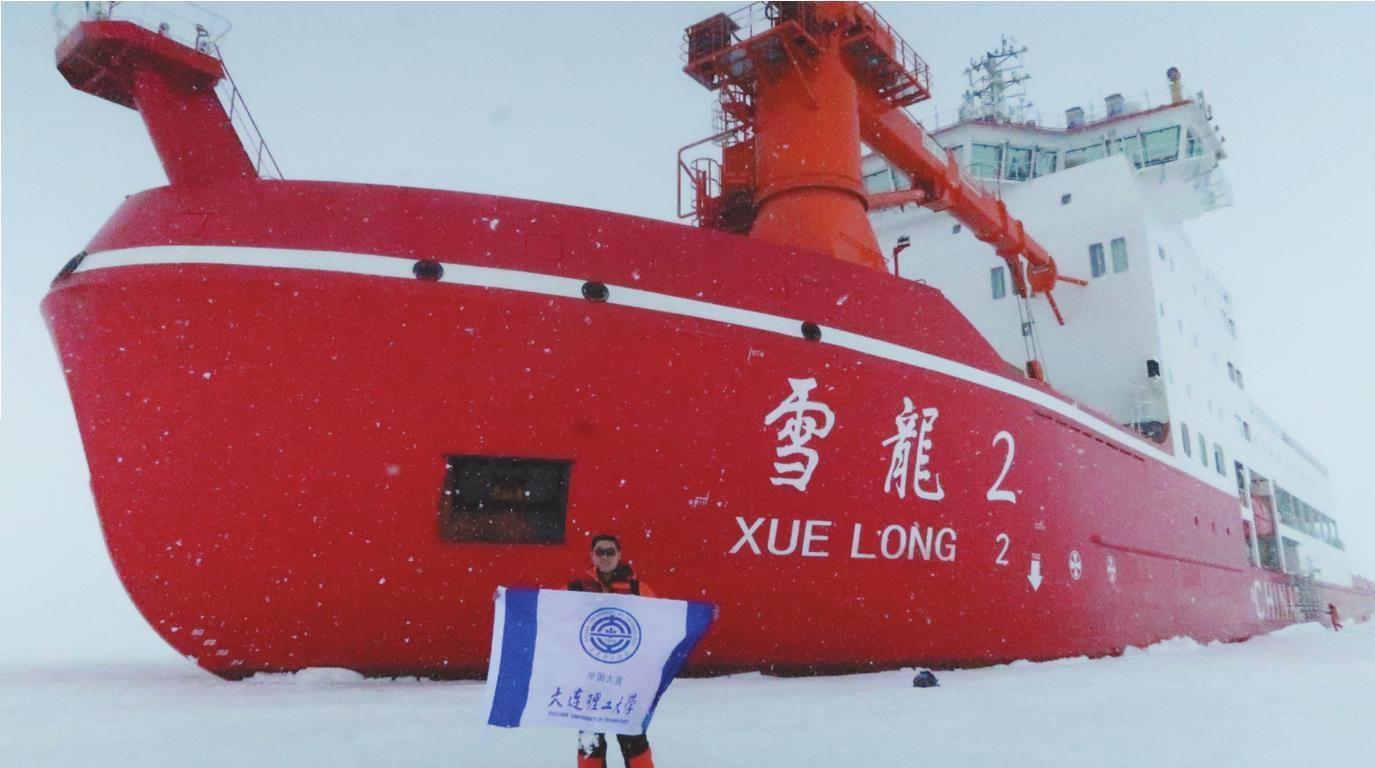
Core Viewpoint - The article highlights the significant advancements and contributions of Dalian University of Technology in polar ice research, showcasing the journey of researchers like Lu Peng and the importance of their work in understanding climate change and its effects on polar regions [8][20]. Group 1: Historical Context and Development - The study of sea ice in China began after a severe ice disaster in the Bohai Sea in 1969, which prompted the establishment of research initiatives at Dalian University of Technology [10]. - Dalian University of Technology has developed a comprehensive system for sea ice observation, forecasting, and structural design to ensure safety against ice-related challenges [10][20]. - The university's research has evolved from local studies in the Bohai Sea to significant contributions in polar regions, including participation in multiple Antarctic and Arctic expeditions [14][15]. Group 2: Research Contributions and Innovations - The university has accumulated extensive data from over 30 polar expeditions, leading to the development of critical observational tools for polar research [15][21]. - Innovations include the creation of the ICE-SDEM software for simulating ice loads on structures, which has been integrated into national standards for polar equipment design [21]. - The research conducted has implications for global climate change understanding, regional climate regulation, and the development of polar shipping routes [20][21]. Group 3: Current and Future Endeavors - The upcoming expedition of the "Zhongshan University Polar" icebreaker in 2025 will further enhance China's capabilities in polar research, with Lu Peng leading the ice station team [16][19]. - The research team aims to collect data on ice thickness and environmental conditions, contributing to models that assess sea ice growth and melting [17][18]. - The findings from these expeditions are crucial for addressing the challenges posed by climate change and for informing future engineering and environmental strategies [20][22].

校馆弦歌丨百年怀士堂前 一代代中大人将“做大事”贯彻到底
Yang Shi Xin Wen Ke Hu Duan· 2025-11-23 07:09
Core Viewpoint - Sun Yat-sen University, founded by the revolutionary leader Sun Yat-sen, has a mission of "saving the nation and revitalizing China" since its establishment 101 years ago [1][3]. Group 1: Historical Significance - The university's historical building, Huai Shi Hall, symbolizes the integration of Chinese and Western educational philosophies and embodies the spirit of "broad learning, careful inquiry, prudent thinking, clear discernment, and steadfast action" as inscribed by Sun Yat-sen [3][14]. - Sun Yat-sen's speeches at Huai Shi Hall emphasized the importance of aspiring to achieve great things rather than seeking personal power, which has become a guiding principle for generations of students [3][7]. Group 2: Educational Philosophy - The university's educational approach has shifted from individualism to a focus on societal and national needs, reflecting Sun Yat-sen's vision of cultivating individuals who contribute to the nation's future and prosperity [5][11]. - The phrase "students should aspire to achieve great things, not seek high positions" has established a foundational ethos for the university's community [7][21]. Group 3: Contributions to Society - Throughout its history, the university has produced over 800,000 graduates who have integrated their personal aspirations with the national rejuvenation efforts, demonstrating a commitment to societal contributions [7]. - During wartime, students from the university actively participated in national defense and social movements, showcasing their dedication to the country's well-being [9][11]. Group 4: Contemporary Initiatives - In the new era, Sun Yat-sen University continues to engage in national strategies, focusing on technological innovation, rural revitalization, and healthcare support, thereby embodying the spirit of "doing great things" [13][15]. - The university has established a development framework of "three campuses and five campuses," leveraging its geographical advantages in the Guangdong-Hong Kong-Macao Greater Bay Area to enhance its educational offerings [15][17]. Group 5: Student Engagement - Current students are actively involved in various initiatives, such as volunteer teaching in the western regions and medical assistance in Xinjiang, reflecting their commitment to the university's mission [13][18]. - Research efforts by students, such as those focusing on drone technology for disaster relief, align with the university's ethos of applying knowledge for the greater good [20].
