中西医协同诊疗服务

Search documents
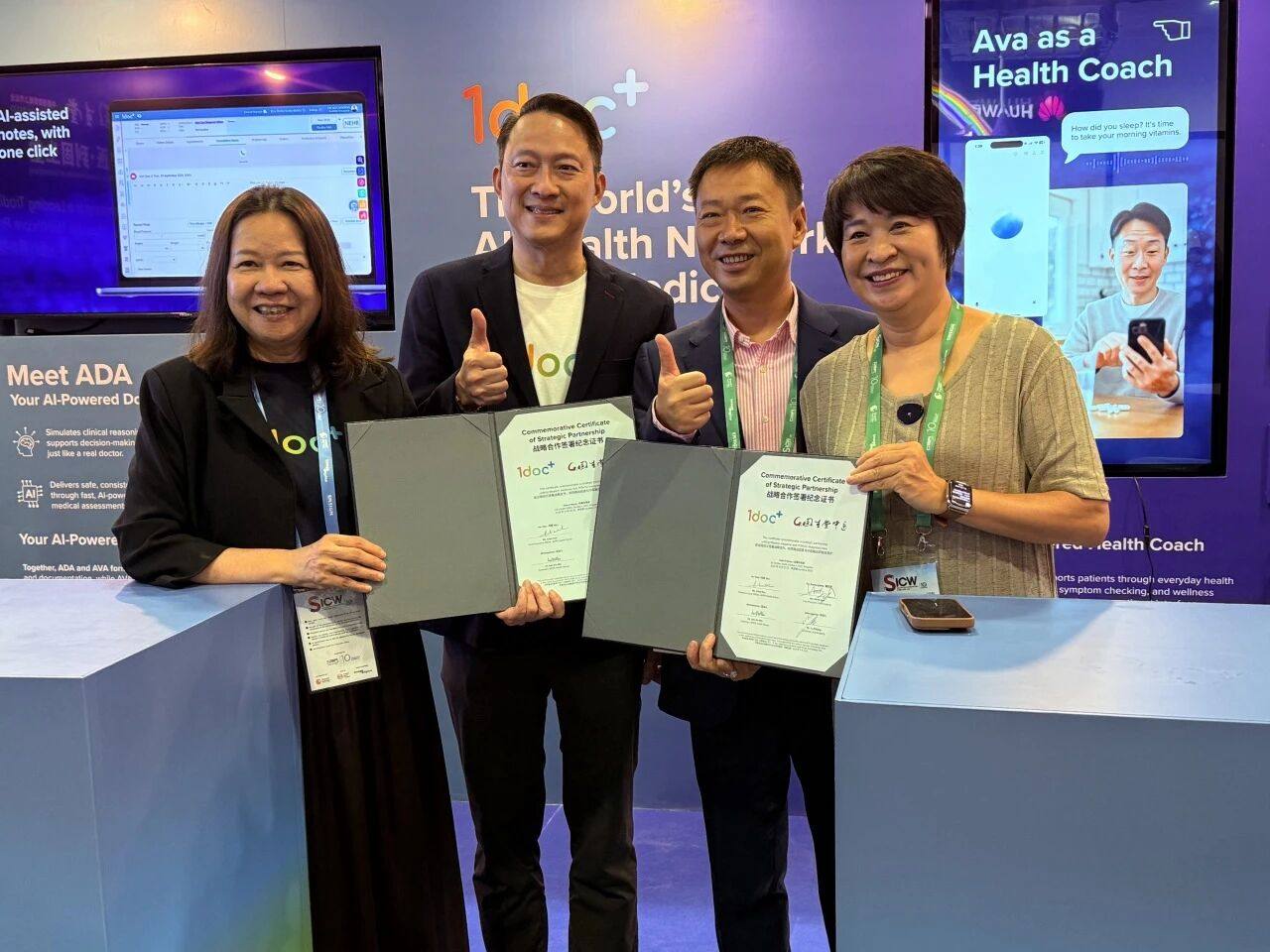
固生堂与1doc达成战略合作 共创新加坡中西合璧的“新中医“服务模式
Zhi Tong Cai Jing· 2025-10-23 03:29
Core Viewpoint - The strategic partnership between Guoshengtang and Singapore's 1doc marks a significant milestone in integrating Traditional Chinese Medicine (TCM) into Singapore's mainstream healthcare system, promoting the internationalization of TCM [1][4]. Group 1: Partnership Details - Guoshengtang and 1doc will systematically introduce TCM services in Western medical family clinics in Singapore, providing a collaborative healthcare experience that covers clinical diagnosis, daily health care, and community health [1][3]. - The partnership structure involves Guoshengtang holding 70% and 1doc holding 30% of the TCM operations, ensuring deep integration and professional management of TCM services within Western medical settings [3][4]. - Patients will benefit from a comprehensive health management approach that includes prevention, diagnosis, and rehabilitation, facilitated by TCM practitioners who can prescribe necessary tests to enhance diagnostic accuracy [3][4]. Group 2: Policy and Market Context - The Singapore government has been actively promoting the integration of TCM and Western medicine, exemplified by the "TCM Integration Sandbox Program" set to launch in 2025, which will test and evaluate TCM treatment plans in public healthcare institutions [4][5]. - 1doc, a subsidiary of IHG, operates a robust network of clinics in Singapore, leveraging advanced technologies to support personalized and preventive healthcare, which will aid in the implementation of TCM services [4][5]. - Guoshengtang, as China's first publicly listed TCM chain, has established over 80 medical institutions in China and Singapore, serving more than 20 million patients, and has accumulated extensive clinical data to support the efficacy and safety of TCM [4][5]. Group 3: Future Prospects - The collaboration aims to create a "New TCM" service model in Singapore, exploring more partnership models to build a new ecosystem of collaborative diagnosis and treatment [5]. - Singapore's innovative policies and market openness provide a high-standard international testing ground for Guoshengtang, with potential for replicating successful models in Southeast Asia and globally [5].

固生堂(02273)与1doc达成战略合作 共创新加坡中西合璧的“新中医“服务模式
智通财经网· 2025-10-23 03:24
Core Viewpoint - The strategic partnership between Gu Shengtang and 1doc marks a significant milestone for the integration of Traditional Chinese Medicine (TCM) into Singapore's mainstream healthcare system, promoting the internationalization of TCM [1][4]. Group 1: Partnership Details - Gu Shengtang and 1doc will systematically introduce TCM services in Western medical family clinics in Singapore, providing a collaborative healthcare experience that covers clinical diagnosis, daily health care, and community health [1][3]. - The partnership structure involves Gu Shengtang holding 70% of the shares and fully managing operations, while 1doc holds 30%, ensuring deep integration and professional operation of TCM services within Western medical settings [3][4]. - Patients will benefit from a comprehensive health management approach that includes prevention, diagnosis, and rehabilitation, facilitated by TCM practitioners who can prescribe necessary tests to enhance diagnostic accuracy [3][4]. Group 2: Supportive Environment - The Singaporean government actively promotes the integration of TCM and Western medicine, exemplified by the "TCM Integration Sandbox Program" set to launch in 2025, which will test and evaluate TCM treatment plans in public healthcare institutions [4]. - 1doc, a subsidiary of IHG, operates a robust network of clinics in Singapore, leveraging advanced digital technologies to support personalized and preventive healthcare, which will bolster the implementation of TCM [4][5]. - Gu Shengtang, as the first publicly listed TCM chain in China, has established over 80 medical institutions and served more than 20 million clients, providing a strong evidence base for the efficacy and safety of TCM [4][5]. Group 3: Future Prospects - The collaboration aims to create a "New TCM" service model in Singapore, representing Gu Shengtang's exploration of digital integration into international healthcare systems [5]. - Future plans include exploring more partnership models to build a collaborative healthcare ecosystem, promoting standardized and scalable development of TCM in international markets [5]. - Singapore's innovative policies and market openness provide a high-standard testing ground for Gu Shengtang, with potential for replicating successful models across Southeast Asia and globally [5].
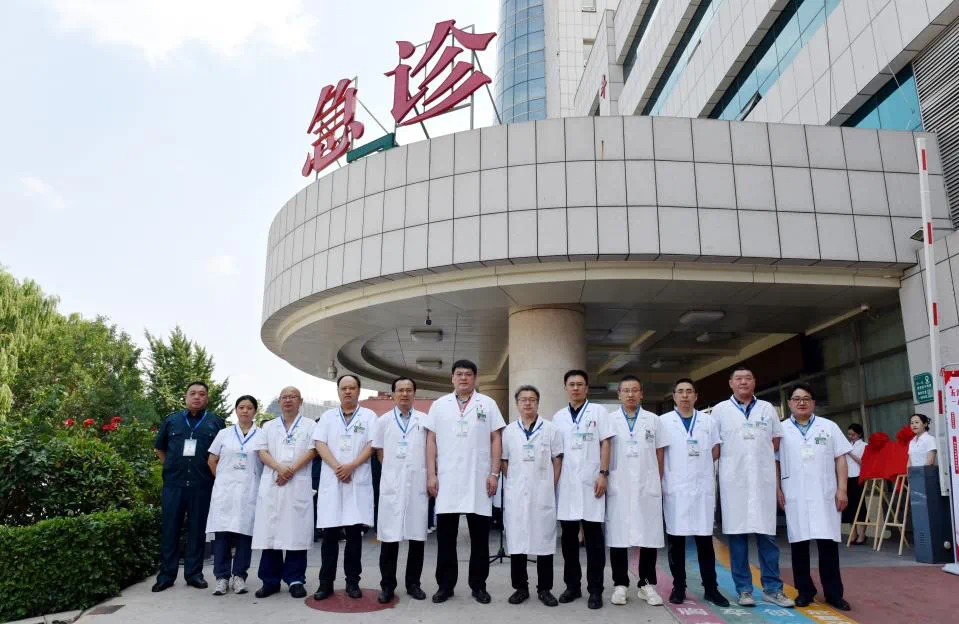
泰安市中心医院急诊医学中心全面开启中西医协同诊疗模式
Qi Lu Wan Bao Wang· 2025-09-01 09:15
Core Viewpoint - The emergency medical center is enhancing the integration of traditional Chinese medicine (TCM) and Western medicine to improve service capabilities and patient outcomes through a comprehensive approach that includes resource integration, talent development, and systematic training [1][22]. Group 1: Integration of TCM and Western Medicine - The emergency center has established a collaborative model combining "precise Western emergency care + TCM syndrome differentiation treatment," tailoring treatment plans for critically ill patients [3][8]. - A dedicated TCM treatment area has been set up in the emergency hall, allowing for immediate access to TCM services for patients in need [3][8]. - The center has developed symptom-oriented TCM emergency kits for common acute conditions, standardizing the application of suitable TCM techniques [3][8]. Group 2: Patient Testimonials and Treatment Efficacy - Patients have reported significant relief from symptoms through TCM treatments such as acupuncture, with one case highlighting rapid improvement in a tourist suffering from nausea and vomiting [3][5]. - A mother praised TCM external treatments for her child, noting quick recovery without the need for injections or oral medications [7][16]. - Another patient expressed surprise at the effectiveness of TCM treatments for pain management, leading to a reduction in the need for painkillers [16][18]. Group 3: Training and Development - The nursing team has been trained to perform various TCM techniques, including acupoint application and bloodletting therapy, enhancing the range of services offered [5][14]. - Regular training sessions ensure that nursing staff are proficient in TCM techniques, which has positively influenced patient perceptions and acceptance of TCM treatments [14][22]. Group 4: Streamlined Patient Experience - The emergency center has introduced a convenient follow-up process for discharged patients, allowing them to return for consultations without prior appointments, addressing common patient concerns [18][20]. - Patients have expressed appreciation for the ease of access to follow-up care, highlighting the center's commitment to addressing the needs of elderly patients [20][22]. Group 5: Future Plans - The emergency medical center aims to further enhance TCM service capabilities by establishing a comprehensive service system that covers pre-hospital reception, outpatient care, hospitalization, and follow-up [22].