
中医诊疗服务

Search documents
急诊科十二时辰
Xin Lang Cai Jing· 2026-02-16 15:13
Core Viewpoint - The article highlights the dedication and hard work of medical staff at Guang'anmen Hospital's emergency department during the Spring Festival, showcasing their commitment to both traditional Chinese medicine and modern emergency care. Group 1: Emergency Department Operations - Guang'anmen Hospital's emergency department has over 40 years of development, integrating traditional Chinese medicine with modern emergency practices [1] - Medical staff utilize advanced emergency equipment such as ECMO and critical ultrasound to treat critically ill patients [1] - The department employs over 30 internal agreed prescriptions and more than 20 types of traditional Chinese external treatment methods for precise and effective patient care [1] Group 2: Daily Activities and Patient Care - On February 12, nurses were observed preparing intravenous fluids for patients at 1 PM [3] - At 3 PM on the same day, nurses were providing care to critically ill patients in the intensive care unit [5] - Medical staff were seen transferring a patient from the observation room to the intensive care unit at 1 PM [4] Group 3: Integration of Traditional and Modern Medicine - A nurse was documented performing traditional Chinese medicine treatments, such as herbal plaster therapy, in the intensive care unit at 3 PM on February 12 [8] - The emergency department's senior director was seen teaching traditional formulas to staff, emphasizing the importance of integrating traditional knowledge with modern practices [12] - Acupuncture treatments were provided to patients by attending physicians, demonstrating the application of traditional methods in emergency care [16][46]


ESG+20|“行动者”正安康健:守正创新 推动传统医药可持续发展
第一财经· 2026-01-08 03:32
Core Viewpoint - The article discusses the significance of ESG (Environmental, Social, and Governance) principles as they enter a new era with the 20th anniversary in 2024, highlighting the commitment of Chinese enterprises to sustainable development through a series of interviews with business leaders [1]. Group 1: ESG Commitment and Leadership - Liang Dong, Chairman of Zheng'an Health, emphasizes the importance of joining the UN Global Compact, stating that the commitment to sustainable development is essential for both the UN and enterprises [4]. - Zheng'an Health aims to modernize traditional Chinese medicine by integrating it with modern technology and science, promoting a holistic approach to health that aligns with sustainable development goals [5]. Group 2: Integration of Traditional and Modern Practices - The company advocates for the modernization of traditional Chinese medicine by combining it with various modern disciplines such as psychology, physics, chemistry, biology, computer science, and artificial intelligence [5]. - Zheng'an Health is positioned not only as a clinic but also as an educational and lifestyle institution, focusing on the integration of traditional practices with contemporary living [5]. Group 3: International Collaboration in Traditional Medicine - Liang Dong expresses hopes for international cooperation in traditional medicine, emphasizing the need for openness and mutual learning among practitioners [6]. - The importance of maintaining contact and sharing knowledge between traditional medicine practitioners and modern technology is highlighted as a pathway to innovation [6].

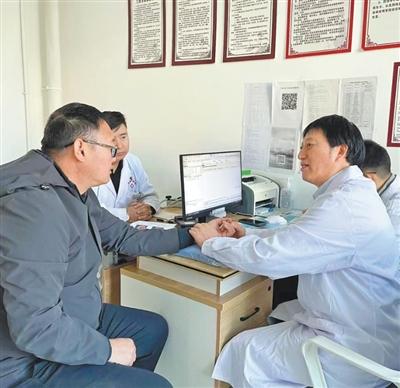
传承中医,守护农牧民健康(守望)
Ren Min Ri Bao· 2026-01-07 00:37
Core Viewpoint - The article highlights the dedication and impact of a traditional Chinese medicine practitioner, Chen Guyi, who travels from Changzhou, Jiangsu to Nierke, Xinjiang to provide medical care and training, fostering trust and improving health outcomes in the local community [2][4][6]. Group 1: Medical Practice and Community Impact - Chen Guyi has been providing medical services in Nierke for six years, gaining the trust of local residents who now refer to him affectionately as "Director Chen" [2][4]. - He treats a variety of conditions, particularly rheumatic diseases, which are prevalent in the region due to its climate [4][5]. - A patient named Demaxi, suffering from rheumatic pain, experienced significant improvement after receiving treatment from Chen, highlighting the effectiveness of traditional Chinese medicine [4][5]. Group 2: Training and Knowledge Transfer - Chen emphasizes the importance of teaching local doctors, believing that empowering them is more beneficial than treating patients alone [8][9]. - He actively trains young doctors in the local hospital, ensuring that his knowledge and skills are passed on to the next generation [8][9]. - The overall medical standards in the local hospital have improved as a result of Chen's training efforts, demonstrating the long-term benefits of his approach [9].
固生堂(02273)加速海外布局 拟全资收购新加坡大中堂新增运营14家中医门诊
智通财经网· 2025-11-17 10:48
Core Insights - Gushengtang Singapore, a subsidiary of Gushengtang, signed a share transfer agreement to acquire 100% equity of Dazhong Tang PTE. LTD., marking a significant step in the company's overseas expansion strategy in traditional Chinese medicine [1][2] - Dazhong Tang is a major player in Singapore's traditional Chinese medicine sector, operating 14 clinics and possessing a strong local service capability and user trust [1] - The acquisition will enhance Gushengtang's overall revenue by consolidating Dazhong Tang's financial performance into its financial statements [1] Strategic Developments - Gushengtang is accelerating its international expansion in traditional Chinese medicine through a "merger + cooperation + self-built" strategy, particularly focusing on the Singapore market [2] - The recent strategic partnership with 1doc, a digital healthcare platform, involves establishing a joint venture where Gushengtang holds a 70% stake, allowing for the integration of traditional Chinese medicine services within 1doc's existing clinic network [2] - Following the acquisition of Dazhong Tang, Gushengtang will add 14 new clinics, enhancing its operational scale and market coverage in Singapore [2] Long-term Growth Potential - Gushengtang's multi-faceted approach to overseas expansion demonstrates a clear strategic plan and execution capability, aiming to integrate traditional Chinese medicine services internationally while adapting to local markets [2] - The company's dual strategy of deepening domestic operations while accelerating international growth is expected to create new growth opportunities and strengthen its leading position in the global traditional Chinese medicine sector [2]
固生堂(02273):重大事项点评:全球业务扩张加速,回购加码彰显信心
Huachuang Securities· 2025-11-12 06:44
Investment Rating - The report maintains a "Strong Buy" rating for the company, with a target price of HKD 49.09, indicating an expectation of over 20% outperformance against the benchmark index in the next six months [2][24]. Core Insights - The company is accelerating its global business expansion, having added four new branches through strategic acquisitions domestically and formed a partnership with Singapore's digital healthcare platform 1doc for overseas growth [2]. - The management's confidence in the company's future is demonstrated through a significant share buyback program, which has seen a total repurchase of 8.14 million shares for approximately HKD 247 million [2][8]. Financial Performance Summary - Total revenue is projected to grow from HKD 3,022 million in 2024 to HKD 4,845 million by 2027, reflecting a compound annual growth rate (CAGR) of approximately 20.1% [4]. - Net profit attributable to shareholders is expected to increase from HKD 307 million in 2024 to HKD 664 million in 2027, with a notable growth rate of 30.5% in 2025 [4]. - Earnings per share (EPS) is forecasted to rise from HKD 1.26 in 2024 to HKD 2.87 in 2027, indicating strong profitability growth [4]. Strategic Developments - The company has successfully entered key cities such as Tianjin, Chengdu, and Shantou, enhancing its regional service capabilities through strategic acquisitions [8]. - The partnership with 1doc aims to leverage existing healthcare networks in Singapore, facilitating the company's international expansion and patient conversion in integrated Chinese and Western medicine settings [8]. Share Buyback Program - Since initiating the buyback plan on September 1, 2025, the company has conducted 42 repurchase transactions, with a total buyback volume of 8.14 million shares and a total investment of approximately HKD 247 million [8]. - The board has approved an additional buyback authorization of up to HKD 300 million, bringing the total buyback scale to a record HKD 600 million since the company's listing [8].
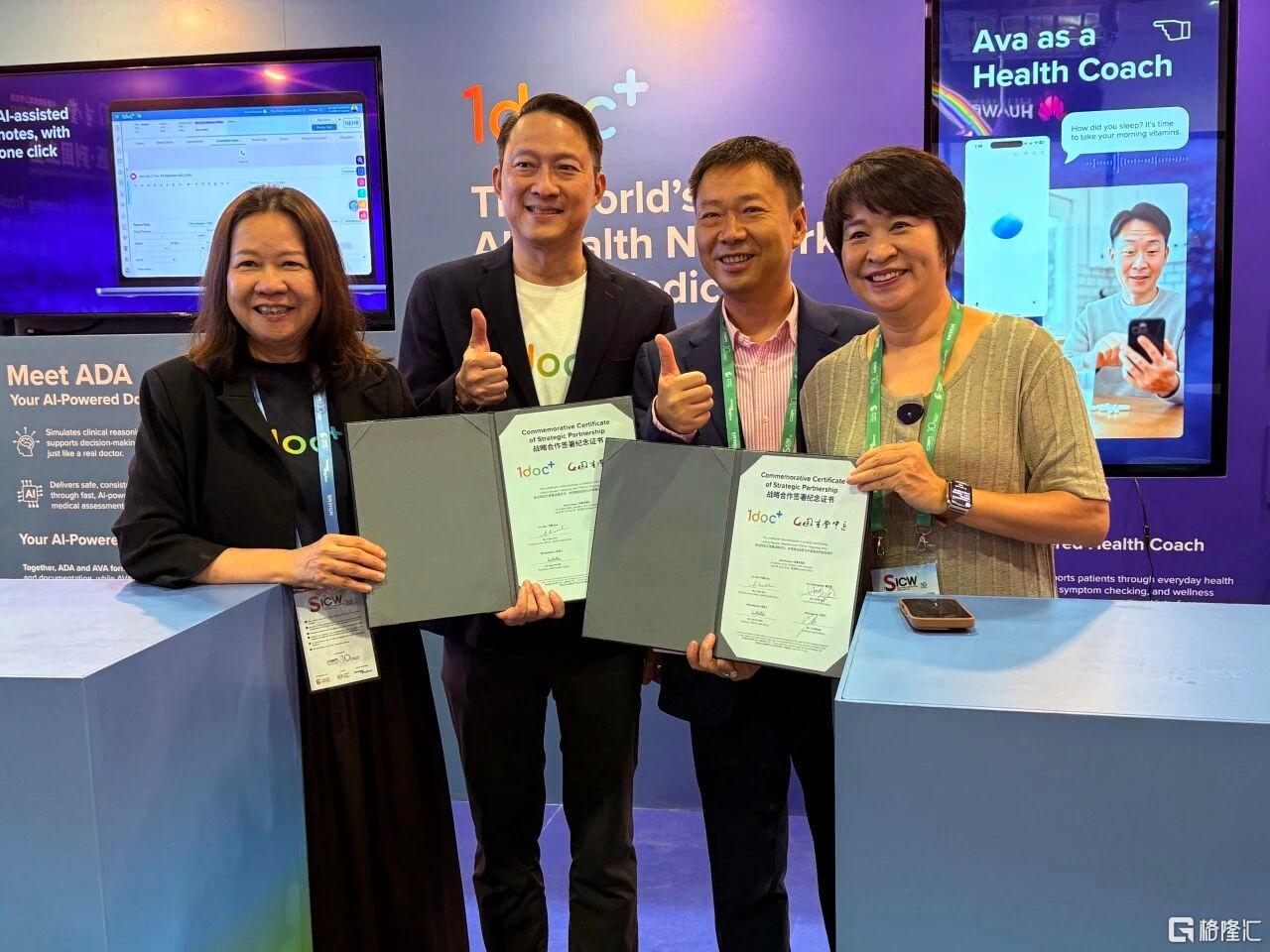
固生堂与1doc战略合作,共创新加坡中西合璧的"新中医"服务模式
Ge Long Hui· 2025-10-23 03:39
Core Viewpoint - The strategic partnership between Guoshengtang and Singapore's 1doc aims to integrate Traditional Chinese Medicine (TCM) into the mainstream medical system in Singapore, marking a significant milestone for the internationalization of TCM [1][4]. Group 1: Partnership Details - Guoshengtang and 1doc will systematically introduce TCM services in Western medical family clinics in Singapore, providing a collaborative healthcare experience that covers clinical diagnosis, daily health care, and community health [1][3]. - The partnership will involve a shareholding structure where Guoshengtang holds 70% and 1doc holds 30%, ensuring deep integration and professional operation of TCM services within Western medical settings [3][4]. - Patients will benefit from a comprehensive healthcare management approach that includes prevention, diagnosis, and rehabilitation, facilitated by TCM practitioners who can prescribe necessary tests to enhance diagnostic accuracy [3][4]. Group 2: Policy and Market Context - The Singapore government has been actively promoting the integration of TCM and Western medicine, exemplified by the "TCM Integration Sandbox Program" set to launch in 2025, which will test and evaluate TCM treatment plans in public healthcare institutions [4][5]. - 1doc, a subsidiary of IHG, operates a network of clinics in Singapore and has served over 79,000 patients, providing a strong local medical network and digital technology support for the implementation of TCM [4][5]. - Guoshengtang, as China's first publicly listed TCM chain, has established over 80 medical institutions in China and Singapore, serving more than 20 million customers and accumulating extensive clinical data to support the efficacy and safety of TCM [4][5]. Group 3: Future Prospects - The collaboration aims to create a "New TCM" service model in Singapore, exploring more partnership models to build a new ecosystem of collaborative diagnosis and treatment [5]. - The innovative policies and market openness in Singapore provide a high-standard international testing ground for Guoshengtang, with potential for replicating successful models in Southeast Asia and globally [5].
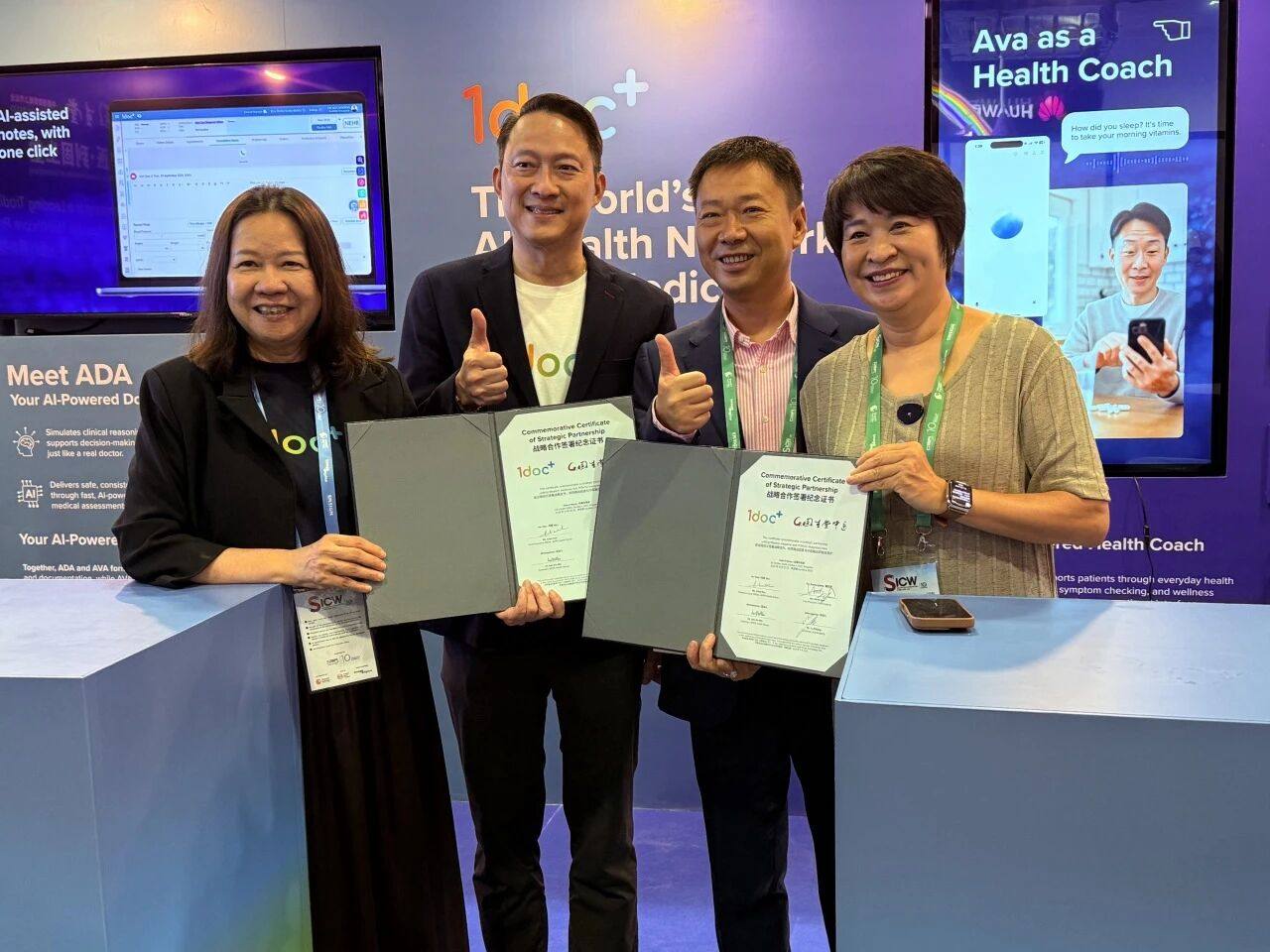
固生堂与1doc达成战略合作 共创新加坡中西合璧的“新中医“服务模式
Zhi Tong Cai Jing· 2025-10-23 03:29
Core Viewpoint - The strategic partnership between Guoshengtang and Singapore's 1doc marks a significant milestone in integrating Traditional Chinese Medicine (TCM) into Singapore's mainstream healthcare system, promoting the internationalization of TCM [1][4]. Group 1: Partnership Details - Guoshengtang and 1doc will systematically introduce TCM services in Western medical family clinics in Singapore, providing a collaborative healthcare experience that covers clinical diagnosis, daily health care, and community health [1][3]. - The partnership structure involves Guoshengtang holding 70% and 1doc holding 30% of the TCM operations, ensuring deep integration and professional management of TCM services within Western medical settings [3][4]. - Patients will benefit from a comprehensive health management approach that includes prevention, diagnosis, and rehabilitation, facilitated by TCM practitioners who can prescribe necessary tests to enhance diagnostic accuracy [3][4]. Group 2: Policy and Market Context - The Singapore government has been actively promoting the integration of TCM and Western medicine, exemplified by the "TCM Integration Sandbox Program" set to launch in 2025, which will test and evaluate TCM treatment plans in public healthcare institutions [4][5]. - 1doc, a subsidiary of IHG, operates a robust network of clinics in Singapore, leveraging advanced technologies to support personalized and preventive healthcare, which will aid in the implementation of TCM services [4][5]. - Guoshengtang, as China's first publicly listed TCM chain, has established over 80 medical institutions in China and Singapore, serving more than 20 million patients, and has accumulated extensive clinical data to support the efficacy and safety of TCM [4][5]. Group 3: Future Prospects - The collaboration aims to create a "New TCM" service model in Singapore, exploring more partnership models to build a new ecosystem of collaborative diagnosis and treatment [5]. - Singapore's innovative policies and market openness provide a high-standard international testing ground for Guoshengtang, with potential for replicating successful models in Southeast Asia and globally [5].
2025养老大调研|中医专家号、救命药,能在家门口社区医院解决吗?
Bei Jing Ri Bao Ke Hu Duan· 2025-10-14 02:48
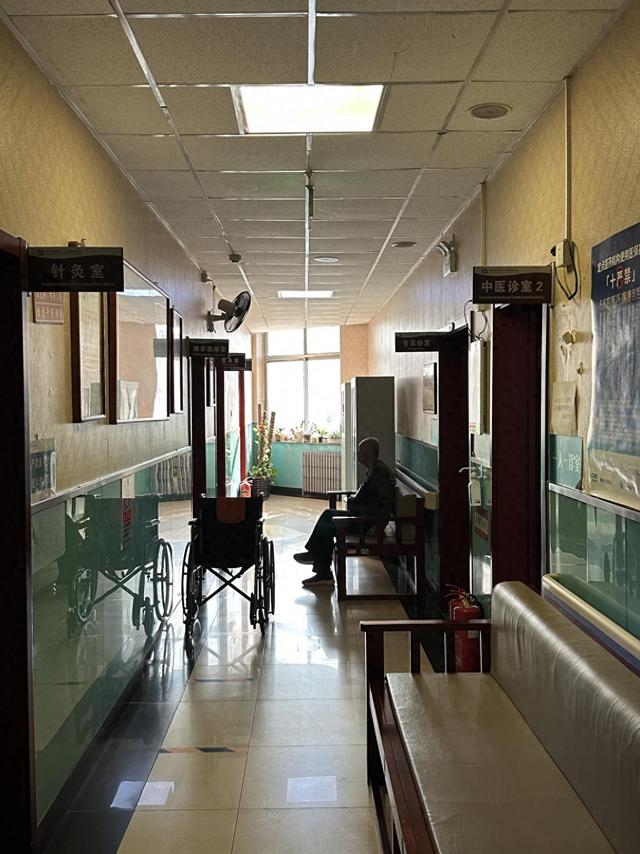
Core Viewpoint - The article highlights the importance of community hospitals in providing elder care services, emphasizing the need for improved facilities and services to enhance the quality of care for the elderly population in the context of an accelerating tiered medical system [1][4]. Group 1: Elderly Care Services - Community hospitals are increasingly focusing on elder-friendly services, including hardware improvements like accessible facilities and soft services such as traditional Chinese medicine (TCM) consultations and home visits [1][4]. - There is a growing demand among the elderly for TCM services at community hospitals, but the availability of qualified practitioners varies significantly across different facilities [4][6]. - The disparity in TCM resources is evident, with some community hospitals having a robust team of specialists while others struggle with limited staff and infrequent expert visits [4][6]. Group 2: Medication Supply Challenges - Many community hospitals face challenges in meeting the medication needs of elderly patients due to limited pharmacy resources, typically offering around 600 types of medications compared to over a thousand at tertiary hospitals [6][9]. - The "medication shortage registration" service has been implemented to address personalized medication needs, allowing patients to register their requirements and receive timely responses from community hospitals [7][9]. - This service not only helps meet individual medication needs but also allows hospitals to adjust their inventory based on demand trends [9]. Group 3: Home Care Services - Home care services are crucial for elderly individuals with mobility issues, with community hospitals offering various services such as home visits for medical care and health guidance [10][11]. - The sustainability of these home care services is challenged by limited medical staff and the high costs associated with providing free services [10][11]. - A "centralized home service" model is being adopted to improve efficiency, allowing medical staff to serve multiple patients in a scheduled manner while also generating revenue through service fees [11]. Group 4: Future Development Strategies - Recommendations for enhancing elder care services include improving the recruitment and training of community health personnel and leveraging technology to create integrated service platforms [12][13]. - The establishment of specialized "pharmacy service clinics" is suggested to provide tailored medication management for elderly patients, ensuring safer and more effective treatment [13]. - The "medical alliance" model is proposed to facilitate regular visits from specialists to community hospitals, thereby improving the quality of care and training for local medical staff [13].
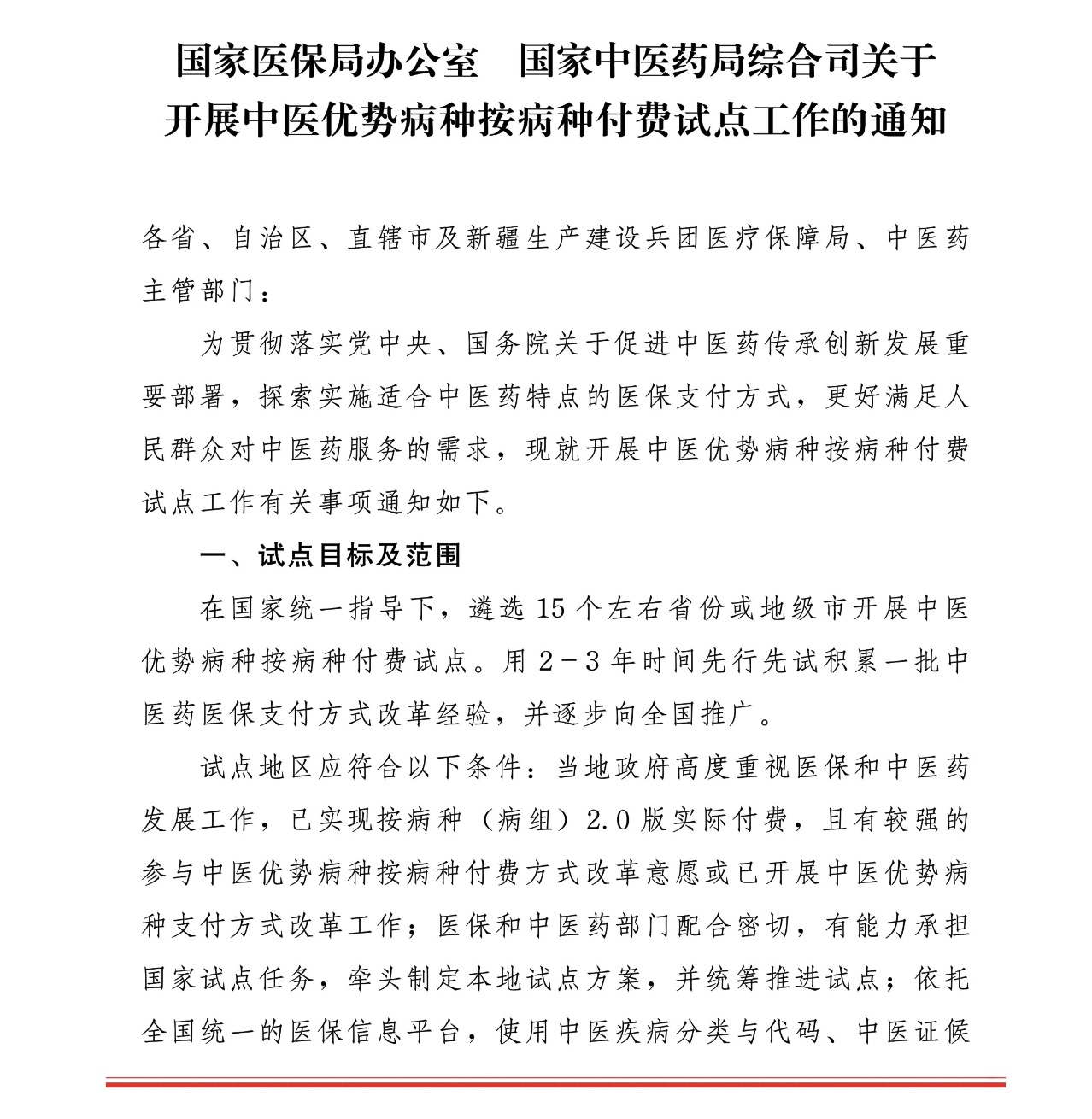
国家医保局启动中医优势病种支付改革试点,15省份将探索新型结算模式
Guan Cha Zhe Wang· 2025-10-10 03:41
Core Insights - The pilot program will cover approximately 15 provincial-level administrative regions or cities, with a focus on establishing a list of traditional Chinese medicine (TCM) diseases suitable for new payment methods [3] - A scientific and reasonable settlement pricing system is crucial for the reform, with a requirement for each selected TCM disease to have a unified medical insurance payment amount based on historical medical cost data [3] - The payment levels after the reform must not be lower than those before the reform to encourage participation from TCM medical institutions [3] Group 1 - The selection of diseases for the pilot program must meet three core criteria: significant advantages of TCM in treatment, clear clinical diagnosis and treatment processes, and clinically verified treatment effects [3] - The reform aims to incentivize TCM medical institutions by establishing a dynamic adjustment mechanism for payment standards based on historical data and corresponding Western medicine treatment costs [3] Group 2 - Support measures include incorporating TCM day wards and rehabilitation wards into the payment system, encouraging grassroots medical institutions to expand outpatient TCM services [4] - The pilot regions will explore reforms over a period of 2 to 3 years, with a focus on creating replicable and promotable experience models [4] - The payment by disease method is expected to enhance the efficiency of medical insurance fund usage by incentivizing medical institutions to optimize treatment plans and control costs [4]
香雪制药董事长王永辉:大数据、人工智能给中医带来前所未有的机会
Feng Huang Wang Cai Jing· 2025-09-24 09:30
Group 1 - The forum "Phoenix Bay Area Finance Forum 2025" was held in Guangzhou, focusing on the theme "New Pattern, New Path" and gathering global political, business, and academic elites to explore development opportunities [1] Group 2 - The chairman of Guangzhou Xiangxue Pharmaceutical Co., Ltd., Wang Yonghui, emphasized the revolutionary opportunities that artificial intelligence (AI) and big data technologies bring to the development of traditional Chinese medicine (TCM), promoting its scientific and international progress [3] - Wang pointed out that TCM is fundamentally a data science, but the traditional reliance on individual experiences of renowned doctors has limitations such as insufficient data volume and unstable effects, making it difficult to undergo scientific validation [3] - He noted that the long-standing transmission of TCM has been constrained by human contact, lifespan, and experience, with the current era of big data and AI capable of addressing these shortcomings [3] - Wang believes that TCM is an ideal application scenario for AI, as technological innovations provide strong support for the personalized diagnosis and treatment advantages of TCM [4] - He explained that large models align well with the dialectical logic of TCM, processing knowledge from vast data to holistic models, allowing for reasoning that captures non-linear associations [3] - The output from these models is dynamic and personalized, resulting in "fuzzy correctness" rather than purely logical data relationships [3] Group 3 - Through AI empowerment, TCM is breaking through the limitations of experiential "black box" phenomena, achieving precision and intelligence in diagnosis and treatment, ultimately leading to significant improvements in therapeutic effects and continuous evolution [4] - Wang expressed confidence that as therapeutic effects continue to improve, TCM will gain widespread recognition globally and shine in the field of human health [4]

