中西医融合

Search documents
日照市中医医院康复医学科获评“省中医康复医疗中心建设单位”
Qi Lu Wan Bao· 2026-01-16 08:32
Core Insights - Rizhao Traditional Chinese Medicine Hospital's Rehabilitation Medicine Department has been recognized as a "Shandong Provincial Traditional Chinese Medicine Rehabilitation Medical Center," setting a benchmark for regional rehabilitation medicine development [1] - The department emphasizes the integration of traditional Chinese medicine and modern rehabilitation techniques, creating a unique rehabilitation system based on specific diseases and functional orientation [2][3] - The department has established a multi-disciplinary collaborative mechanism, enabling seamless transitions between prevention, treatment, and rehabilitation [4] Rehabilitation System - The department has 103 open beds and 75 professional staff, providing robust technical support for precise rehabilitation [2] - It features specialized groups in neurological rehabilitation, orthopedic rehabilitation, and pediatric rehabilitation, each with dedicated teams and tailored rehabilitation plans [3] Multi-disciplinary Collaboration - The department collaborates with various clinical departments, ensuring early rehabilitation interventions for patients, which enhances recovery outcomes [4][5] - It has implemented a system where rehabilitation therapists are integrated into clinical departments for bedside early rehabilitation interventions [4] Regional Influence - The department leads a three-tiered radiation network for rehabilitation, participating in provincial alliances to promote the development of traditional Chinese medicine rehabilitation in grassroots medical institutions [6] - It has trained over 400 grassroots physicians and developed standardized operational protocols for traditional Chinese rehabilitation techniques [6][7] Talent Development and Research - The department has accepted five trainees from within and outside the province and trains an average of 15 rehabilitation residents annually [7] - It has undertaken 14 research projects and published articles in core journals, showcasing its strength in rehabilitation medicine and contributing to regional development [7]
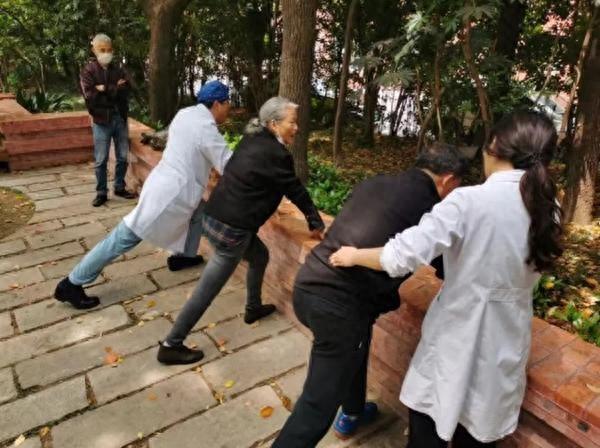
非遗易筋经“牵手”现代医学 中西医协同破解帕金森构音难题
Xin Lang Cai Jing· 2026-01-09 23:52
Core Viewpoint - The integration of traditional Chinese medicine (TCM) with modern medical practices offers a new approach to treating Parkinson's disease, particularly in addressing speech and swallowing difficulties faced by patients [1][2][11]. Group 1: Parkinson's Disease Overview - Parkinson's disease is a neurodegenerative disorder characterized by symptoms such as tremors, bradykinesia, and rigidity, with a prevalence of 1.7% among individuals aged 65 and older in China [2]. - Approximately 90% of Parkinson's patients experience speech and swallowing disorders, which significantly impact their quality of life and can lead to complications such as malnutrition and aspiration pneumonia [2][5]. Group 2: Research and Development - A clinical study conducted by Shanghai Jiao Tong University School of Medicine and Shanghai Traditional Medicine Research Institute combined the ancient TCM practice of "Yijinjing" with deep brain stimulation (DBS) rehabilitation for Parkinson's patients, resulting in new treatment breakthroughs [1][8]. - The research team developed a "Yijinjing Huohu Pushi" posture-sound therapy, which integrates TCM techniques into the rehabilitation process for Parkinson's patients [3][6]. Group 3: Methodology and Results - The study involved a comparative experiment with 34 DBS patients over four weeks, assessing the effectiveness of the integrated therapy against traditional LSVT therapy and a control group [8][9]. - Results indicated that the combined therapy significantly improved speech and swallowing functions, with effects lasting from 1 to 6 months and demonstrating good safety [8][9]. Group 4: Implications for TCM and Modern Medicine - The integration of TCM and modern medical practices is seen as a way to enhance patient care, addressing both surgical and rehabilitation needs [11]. - The successful publication of the research in an international journal marks a significant step in validating TCM methods within the global medical community, providing a replicable model for future studies [9][11].

“精诚为民”筑牢百姓生命健康保障防线
Xin Lang Cai Jing· 2025-12-22 17:14
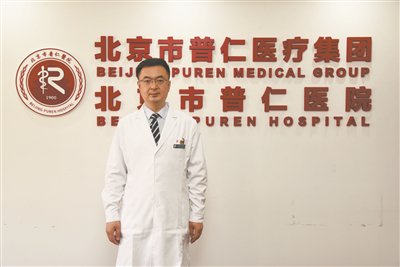
Core Viewpoint - The article highlights the innovative leadership of Gu Qiang, the director of Beijing Puren Hospital, in advancing healthcare services and reforming the medical system in Beijing, emphasizing the importance of quality healthcare and community service [3][4][5][6]. Group 1: Hospital Development and Management - Gu Qiang has led the establishment of Beijing Puren Medical Group, implementing the "Five Unchanged, Five Unified" management principle to enhance operational efficiency across various healthcare facilities [3]. - The hospital has seen a 22% increase in outpatient visits at the Dongcheng District Maternal and Child Health Hospital within two years due to performance reforms that link patient satisfaction to staff promotions [3]. - A remote medical platform has been developed to allow real-time transmission of X-ray images from community health service centers to the hospital's imaging center, facilitating expert consultations [3]. Group 2: Quality of Care and Medical Innovation - Gu Qiang has prioritized academic development by designing a "433" discipline framework, focusing on four key specialties, three diagnostic platforms, and three specialty centers to enhance the hospital's reputation [4]. - The hospital achieved high-quality completion of its tertiary comprehensive hospital accreditation, with patient satisfaction rates maintained above 98% [4]. - The implementation of a quality control system covering the entire diagnosis and treatment process has been a key focus, alongside the establishment of a multi-disciplinary consultation model for complex cases [4]. Group 3: Integration of Traditional and Modern Medicine - Gu Qiang has actively promoted the integration of traditional Chinese medicine (TCM) with Western medicine, launching TCM clinics and developing comprehensive treatment plans for chronic disease patients [5]. - Over a thousand community physicians have been trained in TCM techniques, enhancing the capacity for TCM services in grassroots healthcare [5]. - Upgrades to TCM facilities within the medical group have made services like acupuncture and massage more accessible to residents [5]. Group 4: Human-Centered Care and Community Engagement - The hospital has initiated palliative care forums and expanded services for elderly patients, including home care for those with disabilities [6]. - Gu Qiang maintains a hands-on approach, regularly seeing patients and coordinating assistance for those in financial need [6]. - The hospital aims to achieve the status of a tertiary A-level comprehensive hospital by 2025, reflecting its commitment to continuous improvement in healthcare delivery [6].
固生堂新加坡“AI + 资本”齐头并进,铺就中医国际化之路
Mei Ri Jing Ji Xin Wen· 2025-10-28 03:47
Core Insights - The recent strategic moves by Guoshengtang, including partnerships with 1doc and AGP, signify a pivotal shift in the internationalization of traditional Chinese medicine (TCM) from merely exporting products to establishing a comprehensive service system [1][4][5] Group 1: Strategic Partnerships - Guoshengtang has completed a significant equity partnership with Singapore's 1doc, where Guoshengtang holds a 70% stake, ensuring deep integration of TCM services within the existing Western medical framework [5][6] - The collaboration with 1doc allows for a comprehensive health management approach, offering patients a combination of TCM and Western medicine within the same healthcare ecosystem [5][6] - The partnership aligns with Singapore's government initiatives promoting the integration of TCM into mainstream healthcare, particularly through the upcoming "Traditional Chinese Medicine Integration Sandbox" plan [5][6] Group 2: Technological Innovations - The launch of the "National Medicine AI Avatar" aims to standardize and replicate TCM practices, providing a platform for overseas practitioners to enhance their clinical skills [6][9] - This AI system is designed to assist local TCM practitioners in formulating precise treatment plans, thereby establishing high-quality TCM service standards in international markets [9][10] - The integration of AI technology in TCM practices has garnered recognition from Singapore's government, indicating strong support for innovative approaches in traditional medicine [9][10] Group 3: Capital Support - Guoshengtang's strategic partnership with AGP will provide direct investment to support its internationalization strategy and AI technology development [7][10] - AGP's investment not only offers financial backing but also access to a network of healthcare resources and insights into international market regulations [10] - The capital infusion reflects confidence in Guoshengtang's ability to address core challenges in TCM's international expansion through a systematic approach combining AI and operational integration [10]
固生堂与1doc战略合作,共创新加坡中西合璧的"新中医"服务模式
Ge Long Hui· 2025-10-23 03:39
Core Viewpoint - The strategic partnership between Guoshengtang and Singapore's 1doc aims to integrate Traditional Chinese Medicine (TCM) into the mainstream medical system in Singapore, marking a significant milestone for the internationalization of TCM [1][4]. Group 1: Partnership Details - Guoshengtang and 1doc will systematically introduce TCM services in Western medical family clinics in Singapore, providing a collaborative healthcare experience that covers clinical diagnosis, daily health care, and community health [1][3]. - The partnership will involve a shareholding structure where Guoshengtang holds 70% and 1doc holds 30%, ensuring deep integration and professional operation of TCM services within Western medical settings [3][4]. - Patients will benefit from a comprehensive healthcare management approach that includes prevention, diagnosis, and rehabilitation, facilitated by TCM practitioners who can prescribe necessary tests to enhance diagnostic accuracy [3][4]. Group 2: Policy and Market Context - The Singapore government has been actively promoting the integration of TCM and Western medicine, exemplified by the "TCM Integration Sandbox Program" set to launch in 2025, which will test and evaluate TCM treatment plans in public healthcare institutions [4][5]. - 1doc, a subsidiary of IHG, operates a network of clinics in Singapore and has served over 79,000 patients, providing a strong local medical network and digital technology support for the implementation of TCM [4][5]. - Guoshengtang, as China's first publicly listed TCM chain, has established over 80 medical institutions in China and Singapore, serving more than 20 million customers and accumulating extensive clinical data to support the efficacy and safety of TCM [4][5]. Group 3: Future Prospects - The collaboration aims to create a "New TCM" service model in Singapore, exploring more partnership models to build a new ecosystem of collaborative diagnosis and treatment [5]. - The innovative policies and market openness in Singapore provide a high-standard international testing ground for Guoshengtang, with potential for replicating successful models in Southeast Asia and globally [5].
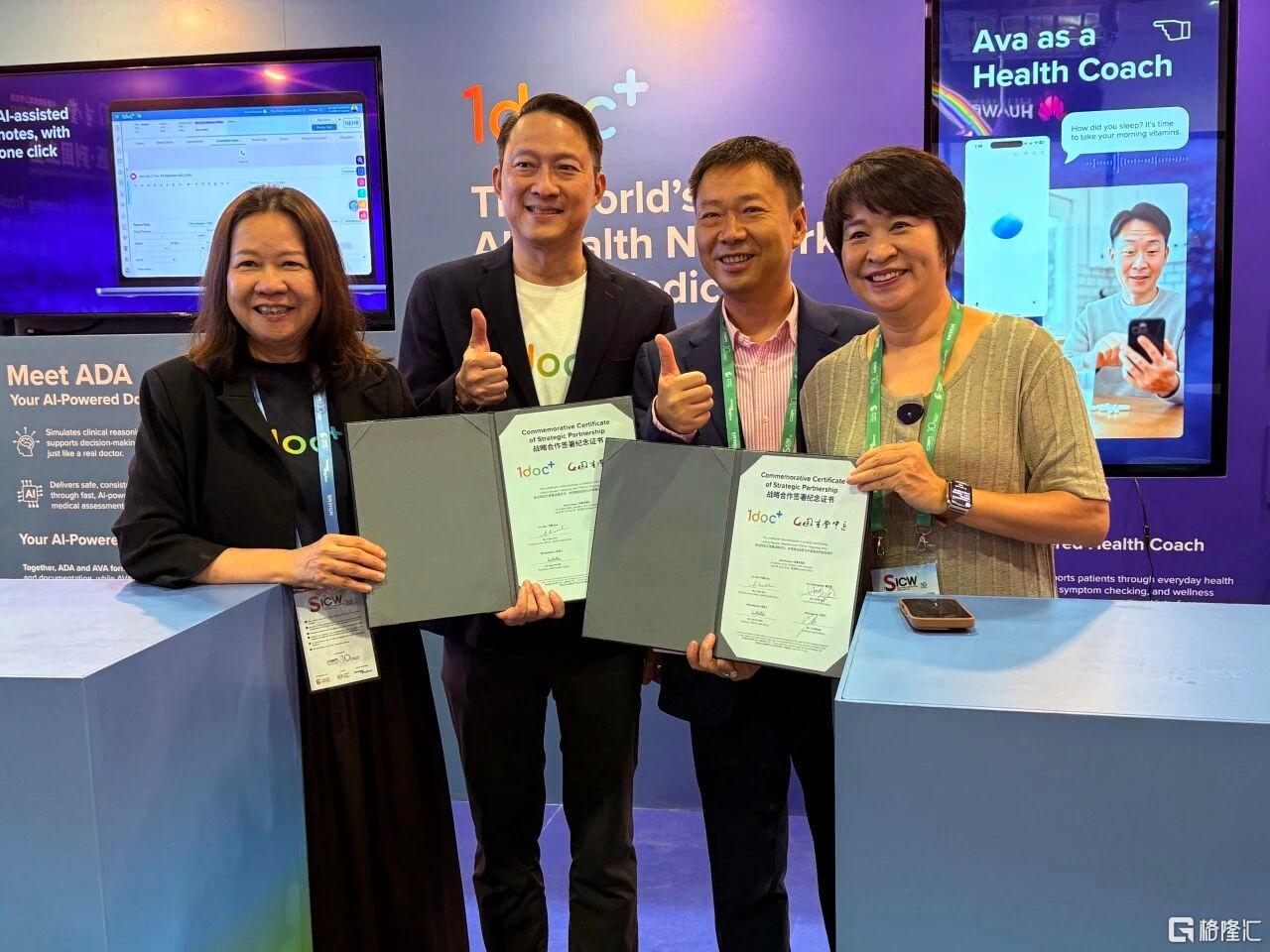
固生堂与1doc达成战略合作 共创新加坡中西合璧的“新中医“服务模式
Zhi Tong Cai Jing· 2025-10-23 03:29
Core Viewpoint - The strategic partnership between Guoshengtang and Singapore's 1doc marks a significant milestone in integrating Traditional Chinese Medicine (TCM) into Singapore's mainstream healthcare system, promoting the internationalization of TCM [1][4]. Group 1: Partnership Details - Guoshengtang and 1doc will systematically introduce TCM services in Western medical family clinics in Singapore, providing a collaborative healthcare experience that covers clinical diagnosis, daily health care, and community health [1][3]. - The partnership structure involves Guoshengtang holding 70% and 1doc holding 30% of the TCM operations, ensuring deep integration and professional management of TCM services within Western medical settings [3][4]. - Patients will benefit from a comprehensive health management approach that includes prevention, diagnosis, and rehabilitation, facilitated by TCM practitioners who can prescribe necessary tests to enhance diagnostic accuracy [3][4]. Group 2: Policy and Market Context - The Singapore government has been actively promoting the integration of TCM and Western medicine, exemplified by the "TCM Integration Sandbox Program" set to launch in 2025, which will test and evaluate TCM treatment plans in public healthcare institutions [4][5]. - 1doc, a subsidiary of IHG, operates a robust network of clinics in Singapore, leveraging advanced technologies to support personalized and preventive healthcare, which will aid in the implementation of TCM services [4][5]. - Guoshengtang, as China's first publicly listed TCM chain, has established over 80 medical institutions in China and Singapore, serving more than 20 million patients, and has accumulated extensive clinical data to support the efficacy and safety of TCM [4][5]. Group 3: Future Prospects - The collaboration aims to create a "New TCM" service model in Singapore, exploring more partnership models to build a new ecosystem of collaborative diagnosis and treatment [5]. - Singapore's innovative policies and market openness provide a high-standard international testing ground for Guoshengtang, with potential for replicating successful models in Southeast Asia and globally [5].
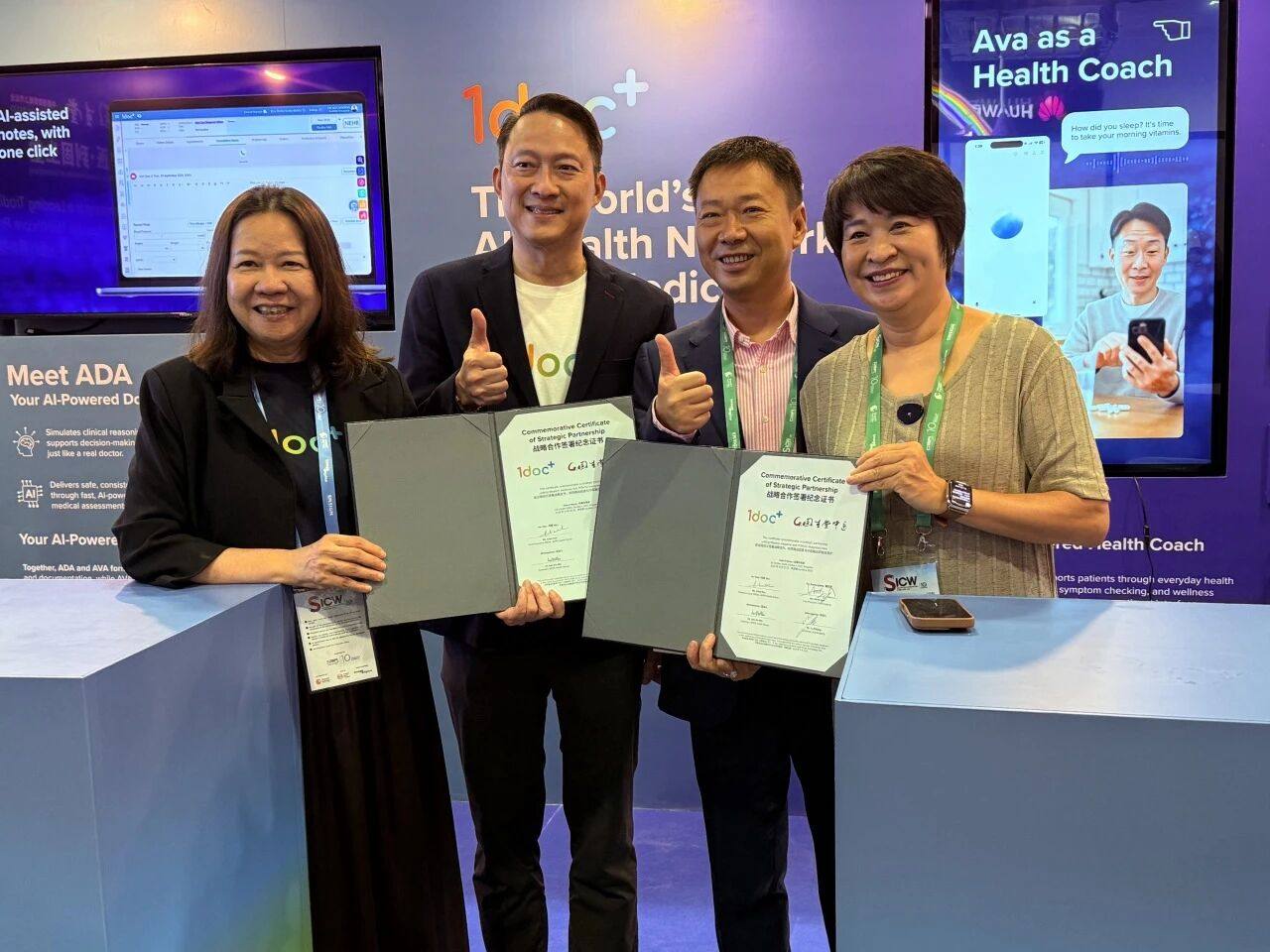
固生堂(02273)与1doc达成战略合作 共创新加坡中西合璧的“新中医“服务模式
智通财经网· 2025-10-23 03:24
Core Viewpoint - The strategic partnership between Gu Shengtang and 1doc marks a significant milestone for the integration of Traditional Chinese Medicine (TCM) into Singapore's mainstream healthcare system, promoting the internationalization of TCM [1][4]. Group 1: Partnership Details - Gu Shengtang and 1doc will systematically introduce TCM services in Western medical family clinics in Singapore, providing a collaborative healthcare experience that covers clinical diagnosis, daily health care, and community health [1][3]. - The partnership structure involves Gu Shengtang holding 70% of the shares and fully managing operations, while 1doc holds 30%, ensuring deep integration and professional operation of TCM services within Western medical settings [3][4]. - Patients will benefit from a comprehensive health management approach that includes prevention, diagnosis, and rehabilitation, facilitated by TCM practitioners who can prescribe necessary tests to enhance diagnostic accuracy [3][4]. Group 2: Supportive Environment - The Singaporean government actively promotes the integration of TCM and Western medicine, exemplified by the "TCM Integration Sandbox Program" set to launch in 2025, which will test and evaluate TCM treatment plans in public healthcare institutions [4]. - 1doc, a subsidiary of IHG, operates a robust network of clinics in Singapore, leveraging advanced digital technologies to support personalized and preventive healthcare, which will bolster the implementation of TCM [4][5]. - Gu Shengtang, as the first publicly listed TCM chain in China, has established over 80 medical institutions and served more than 20 million clients, providing a strong evidence base for the efficacy and safety of TCM [4][5]. Group 3: Future Prospects - The collaboration aims to create a "New TCM" service model in Singapore, representing Gu Shengtang's exploration of digital integration into international healthcare systems [5]. - Future plans include exploring more partnership models to build a collaborative healthcare ecosystem, promoting standardized and scalable development of TCM in international markets [5]. - Singapore's innovative policies and market openness provide a high-standard testing ground for Gu Shengtang, with potential for replicating successful models across Southeast Asia and globally [5].
淄博市中医医院开启“名医+AI”中西医融合诊疗新纪元
Qi Lu Wan Bao Wang· 2025-10-22 15:01
Core Insights - The establishment of the "Capital Famous Traditional Chinese Medicine Dong Rui AI Lung Nodule Diagnosis and Treatment Platform" marks a significant milestone for Zibo in integrating renowned medical expertise with artificial intelligence in respiratory disease prevention and treatment [1][3] - This initiative aims to provide high-quality integrated Chinese and Western medical services to the local population, enhancing the development of traditional Chinese medicine in the region [1][4] Group 1: Platform Launch and Collaboration - The platform's launch follows a partnership agreement signed in March between Zibo Traditional Chinese Medicine Hospital and Beijing Kangyide Integrated Traditional Chinese and Western Medicine Lung Hospital, focusing on innovative treatment models for lung nodules [2][4] - The collaboration is expected to inject new momentum into the development of the hospital's pulmonary medicine discipline [2][3] Group 2: Expert Involvement and Treatment Efficacy - Professor Dong Rui, a leading figure in the field, shared his extensive experience and insights during the unveiling ceremony, highlighting his innovative treatment methods and the clinical success of his team's formulations, which have shown a nodule reduction rate exceeding 39% [3][4] - The platform aims to leverage Professor Dong's expertise to enhance the hospital's capabilities in treating complex cases and fostering high-level talent [4][5] Group 3: Expected Outcomes - The platform is anticipated to provide convenient access to top-tier personalized diagnosis and treatment for lung nodule patients in Zibo and Shandong, significantly reducing their economic and travel burdens [4][5] - It aims to serve as a replicable model for regional integration of Chinese and Western medicine, contributing to the overall improvement of healthcare services in the area [5]
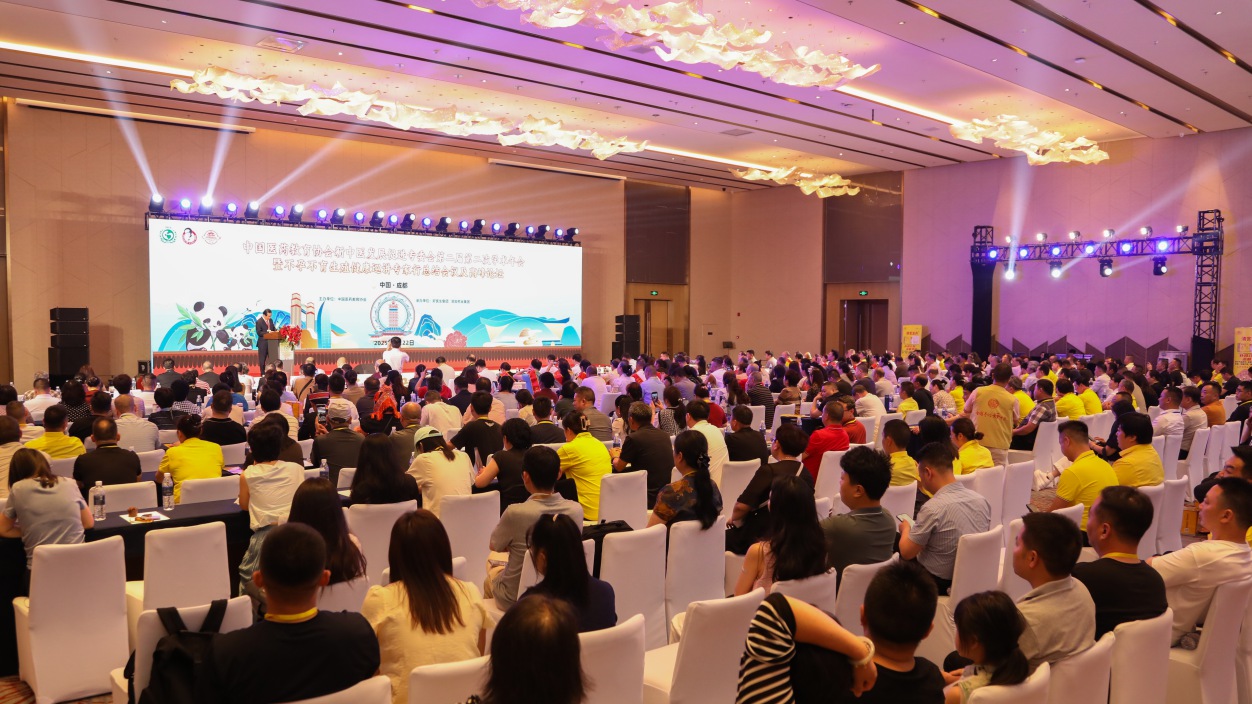
新中医发展促进专委会年会蓉城落幕
Jing Ji Wang· 2025-06-24 09:08
Core Insights - The conference focused on infertility prevention and treatment strategies, emphasizing the innovative application of traditional Chinese medicine (TCM) in reproductive health [1][3][5] Group 1: Conference Overview - The second academic annual meeting and expert tour on infertility and reproductive health was successfully held in Chengdu, organized by the China Medical Education Association and supported by Good Doctor Group and Shenyang Qinggong Pharmaceutical Group [1] - The event gathered renowned experts, scholars, and clinicians in the field of TCM and reproductive health to share authoritative reports, specialized discussions, and practical case studies [1] Group 2: Keynote Highlights - Huang Zhengming, Honorary President of the China Medical Education Association, emphasized the importance of grassroots TCM revitalization and the integration of TCM and Western medicine to address reproductive health challenges [3] - The meeting outlined three strategic actions: strengthening grassroots talent through new expert committee members, honoring frontline doctors as "guardians of health," and promoting specialized courses on infertility to enhance technical capabilities [3] Group 3: Expert Contributions - Huang Zhengming analyzed the dynamic changes in China's fertility rate, discussing the direct impact of contemporary social phenomena on reproductive willingness [5] - Wang Zheng, Vice Chairman of the Health and Medicine Committee of the Chinese People's Political Consultative Conference, highlighted TCM's unique advantages in regulating menstruation and improving endometrial receptivity, advocating for a collaborative approach between TCM and Western medicine [5] Group 4: Initiatives and Future Plans - The Good Doctor Group announced the launch of the "Infertility Reproductive Health Expert Tour" in April 2024, which has already assisted over 5,000 families in overcoming fertility challenges [5] - Aiming for long-term development, the Good Doctor Group plans to establish a "China Reproductive Health Industry Base" centered around Shenyang Qinggong Pharmaceutical, integrating TCM heritage with cutting-edge technology to enhance training and resource allocation for grassroots doctors [5] Group 5: Consensus and Goals - The conference reached a consensus on enhancing reproductive health service levels, contributing to national population strategies, and supporting the "Healthy China 2030" initiative [7]