丰和可持续发展平台

Search documents
港股上市物流企业ESG报告盘点,绿色运输与包装成为降碳关键环节
Sou Hu Cai Jing· 2025-06-10 07:39
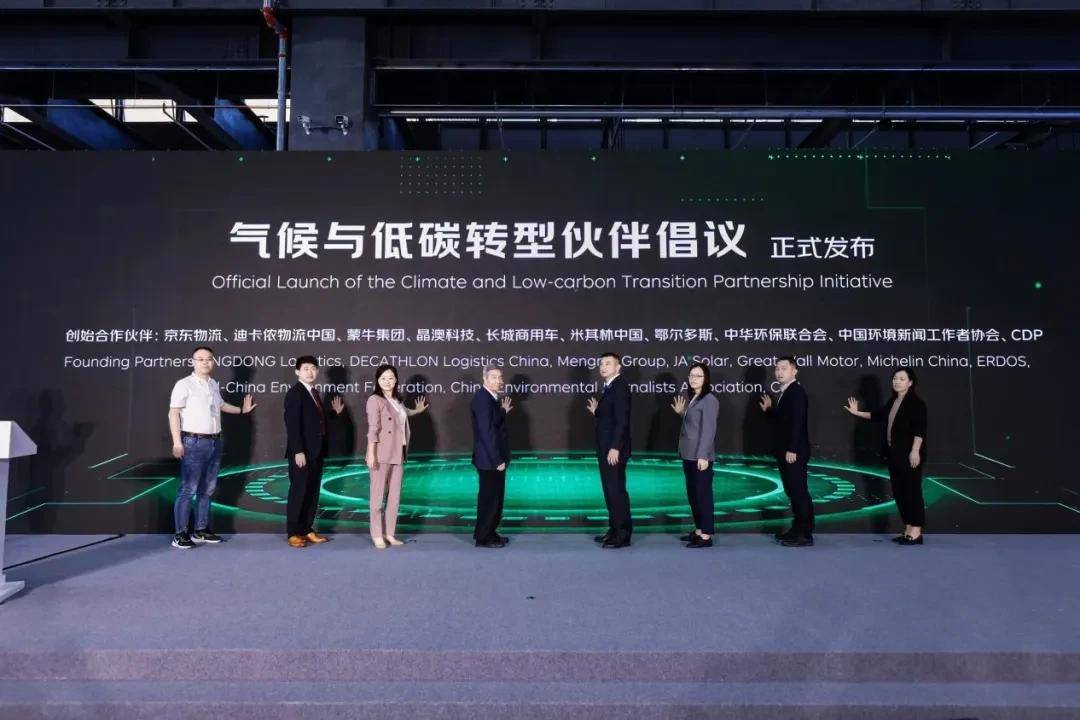
Core Viewpoint - The express delivery industry in China is experiencing significant growth but faces challenges from climate change, necessitating effective climate adaptation actions and risk management strategies [1][2]. Group 1: Climate Change Impact and Industry Response - The express delivery sector is increasingly recognizing the challenges and opportunities posed by climate change, integrating climate risk management into corporate governance frameworks [1][2]. - From January 1, 2025, listed companies in Hong Kong will be required to disclose information related to greenhouse gas emissions, financial impacts, and risk management [1][17]. Group 2: Carbon Reduction Achievements - Major logistics companies such as JD Logistics, SF Express, Jitu Express, ZTO Express, and YTO Express have made significant carbon reduction achievements and launched various carbon reduction plans [2][40]. - JD Logistics has set a target to increase its annual procurement of renewable electricity by 100% by 2030 compared to 2019 levels, aiming for a 50% reduction in total carbon emissions across scopes 1, 2, and 3 [8][9]. Group 3: Specific Carbon Reduction Initiatives - JD Logistics has implemented a series of initiatives, including the use of over 10,000 self-operated new energy vehicles and the first large-scale use of hydrogen fuel trucks in the industry, reducing diesel consumption by approximately 600,000 liters annually [5][10]. - SF Express has achieved a carbon reduction of over 660,000 tons through green packaging and has invested in 1,918 reusable packaging containers, achieving over 1 billion cycles of use [26][27]. Group 4: Green Packaging and Transportation - The express delivery industry is focusing on green packaging and transportation, with JD Logistics promoting the use of X-series boxes that reduce raw material usage by 5% to 25%, resulting in a carbon reduction of 12,164 tons annually [24][39]. - Jitu Express has introduced biodegradable packaging materials and circular transit bags, significantly reducing carbon emissions associated with packaging [35][38]. Group 5: Future Goals and Collaborations - Companies are setting ambitious future goals, with SF Express aiming for net-zero emissions across its value chain by 2050 and JD Logistics committing to a net-zero target from 2023 to 2050 [14][31]. - The "Climate and Low-Carbon Transition Partnership Initiative" launched by JD Logistics aims to foster cross-industry collaboration for green upgrades across the entire supply chain [9][12].