主权云和AI服务

Search documents
日本的“AI大业”全靠疯狂砸钱?
Tai Mei Ti A P P· 2025-12-25 10:01
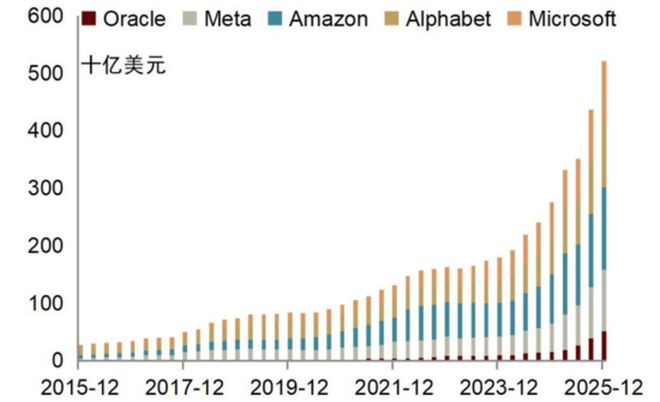
Group 1 - SoftBank is exploring potential acquisitions in the AI sector, including data center operator Switch, and previously considered acquiring Marvell Technology to merge with ARM for a stronger position in the AI semiconductor market [1][2] - The company has invested significantly in AI, with plans to invest up to $9 billion in AI projects by May 2024, and has invested in 335 AI-related companies through its Vision Funds [2][3] - Despite the substantial investments, there are concerns about the profitability of AI ventures, as many companies adopting generative AI have not yet seen significant returns [4][5] Group 2 - SoftBank's Vision Fund has faced significant losses, with a reported loss of ¥5.3 trillion (approximately $39.77 billion) in the fiscal year 2022, indicating a need to recover through AI investments [7][8] - The company aims to establish a comprehensive AI infrastructure, including AI chips, data centers, and robotics, amidst a growing demand for AI applications across various sectors [8][9] - Japan's AI development is lagging compared to other countries, with only 26.7% of the population having used generative AI, prompting SoftBank to play a crucial role in advancing Japan's AI initiatives [11][12] Group 3 - The global AI investment landscape is becoming increasingly competitive, with major companies like Microsoft, Meta, Amazon, Google, and Oracle significantly increasing their capital expenditures on AI [21][22] - Concerns about an AI bubble are rising, with a notable percentage of investors viewing AI-related stocks as overvalued, leading to caution in further investments [5][9] - The rising costs associated with AI infrastructure, particularly in Japan, are creating challenges for the industry, with data center construction costs increasing by 69% from 2021 to 2023 [19][20]

财经观察:数据中心建设瓶颈制约日本AI规划
Huan Qiu Shi Bao· 2025-12-09 22:43
Group 1: AI Development Plans - The Japanese government aims to increase public AI usage from 50% to 80%, positioning AI as a core driver of economic growth [2][3] - A policy goal includes attracting approximately 1 trillion yen (about 6.8 billion USD) in private investment to enhance R&D activities [2] - The government plans to implement AI across all departments and promote its use among all government employees [2] Group 2: Data Center Challenges - Japan's data center construction faces rising costs, with overall construction expenses increasing by about 15% from 2021 to 2023, while data center costs surged by 69% during the same period [5] - Tokyo has been identified as the city with the highest data center construction costs globally for the second consecutive year, exacerbated by a weak yen [5] - Labor costs in the construction industry have risen approximately 1.3 times since 2012, contributing to the overall increase in data center construction costs [5][6] Group 3: Labor and Infrastructure Issues - A shortage of skilled labor, particularly "electrical chief technicians," is a significant bottleneck in data center construction and operation [7] - The slow adoption of digital construction technologies, such as Building Information Modeling (BIM), is prolonging project timelines, with Japan taking nearly twice as long as Singapore to complete similar projects [8] - The insufficient power supply infrastructure in regions with concentrated data centers poses additional challenges for new connections and expansions [9] Group 4: Social and Environmental Constraints - Land scarcity in densely populated areas like Tokyo and Osaka is limiting the construction of new data centers [10] - Local opposition to large data center projects is growing, with residents expressing concerns over aesthetics and the environmental impact of high energy consumption [10] - Japan's renewable energy adoption remains low, with only 22% of total electricity generation coming from renewable sources in 2022, raising questions about the compatibility of industrial growth and environmental goals [9][10]