
主题乐园产品

Search documents
免签政策激活入境游:元旦假期外国游客深度体验中国多元魅力
Sou Hu Cai Jing· 2026-01-06 00:55
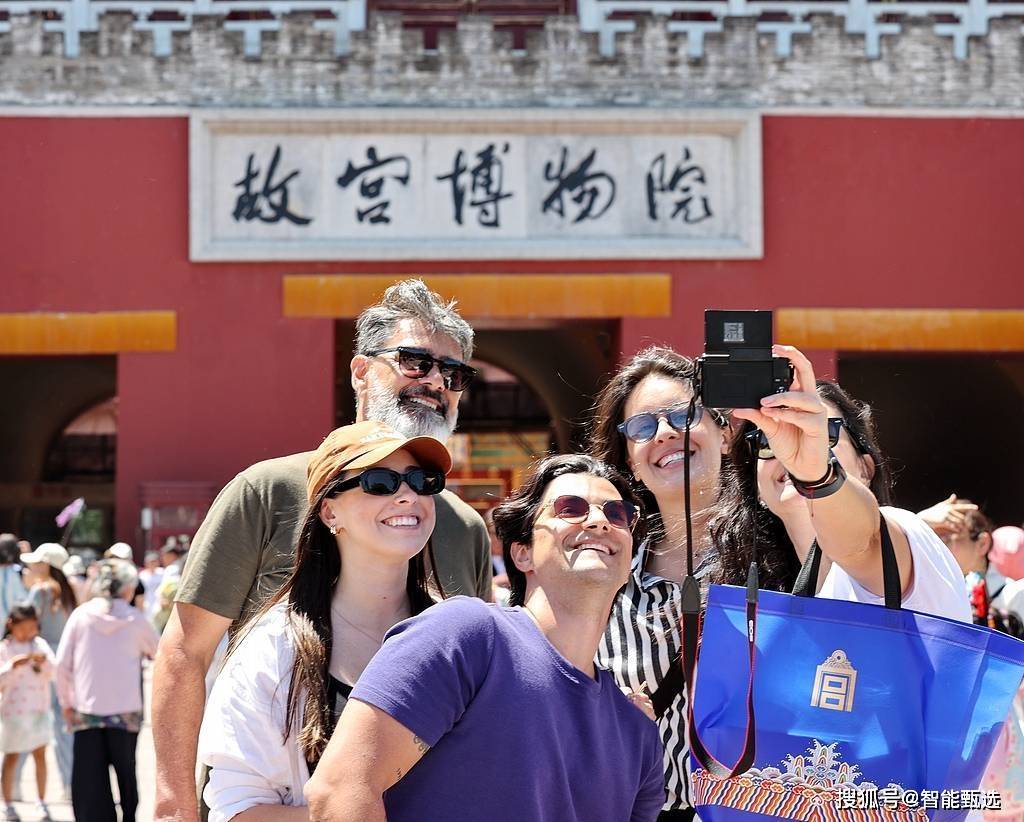
Core Insights - The inbound tourism market in China experienced a significant boost during the New Year holiday, with 292,000 foreign visitors entering under visa-free policies, marking a 35.8% increase compared to the previous year [1][3]. Policy and Market Dynamics - The continuous optimization of visa-free policies is the main driver behind the surge in inbound tourism. In 2025, China will expand the 240-hour visa-free transit policy to 60 ports and 24 provinces, extending coverage beyond major cities to regional hubs like Harbin and Kunming [3]. - The introduction of unilateral visa-free policies for 12 countries, including France and Germany, and the addition of Southeast Asian countries like Malaysia and Thailand, has lowered entry barriers for foreign tourists [3]. Tourism Product Innovation - The growth in inbound tourism is supported by the evolution of tourism products, shifting from mere sightseeing to immersive experiences, with three core product lines: snow tourism, cultural experiences, and technology-enhanced services [4][5][6]. Snow Tourism - China's snow tourism offers a unique value proposition with high entertainment value and cost-effectiveness. Harbin's Ice World features a 1.18 million square meter ice kingdom with various interactive attractions at a ticket price one-third that of similar Swiss attractions [5]. - Orders for inbound snow tourism have nearly doubled from December 2025 to January 2026, with Southeast Asian visitors accounting for 68% of the market [5]. Cultural Experiences - Ancient town tours have become a key avenue for foreign tourists to engage with Chinese culture, offering interactive experiences such as traditional performances and hands-on cooking classes [6]. Technology Integration - Digital enhancements in payment, transportation, and language services have addressed common pain points for foreign tourists, facilitating a smoother travel experience [7]. - The demand for immersive experiences has surged, with bookings for experiential products increasing over 30 times during the New Year holiday [7]. Thematic Attractions and Culinary Tourism - The introduction of special events like New Year fireworks and limited performances at theme parks has driven demand among younger tourists [8]. - Local cuisines have emerged as a significant draw for international visitors, with food festivals showcasing regional specialties [8]. Seasonal Travel Trends - Climate differences have led to a trend of "north-south travel," with northern tourists heading to southern beaches and vice versa, further stimulating the national tourism market [8]. Future Outlook - Experts predict that inbound tourism will continue to grow, with the potential for increased consumer spending as visa-free policies expand and the number of tax refund stores surpasses 15,000 [9]. - Cities are enhancing their competitive edge through innovative cultural and technological offerings, reshaping China's international tourism image [9].

秋假引爆错峰游热潮!文旅市场淡季不淡
Cai Jing Wang· 2025-11-14 09:05
Group 1 - The introduction of autumn breaks in various regions has led to a surge in travel demand, with popular destinations experiencing high visitor numbers and sold-out tickets [1][2] - The implementation of autumn breaks is a result of national policies aimed at expanding service consumption, with specific measures announced by the Ministry of Commerce and other departments [2][3] - Data from travel platforms indicates a significant increase in ticket bookings during the autumn break period, with Sichuan province seeing a 3.4 times year-on-year increase in ticket reservations [2][3] Group 2 - Travel agencies are responding to the new autumn break by launching various travel products, including educational tours and autumn-themed trips, to cater to family travel needs [3] - Specific initiatives include free admission for students at certain attractions and bundled offers that combine tickets with hotel stays, aimed at enhancing the travel experience for families [3] - The autumn break policy not only optimizes holiday schedules but also reshapes the structure of cultural and tourism consumption, alleviating pressure during traditional peak travel seasons [3]