二手餐饮设备

Search documents
又一暴利行业跌落神坛!曾利润高达800%的躺赚生意,现也扛不住了
Xin Lang Cai Jing· 2025-10-22 19:15
Core Insights - The restaurant industry has seen a significant increase in competition, with over 5.5 million new registered related enterprises from 2023 to 2024, while 2.566 million have been canceled or revoked, indicating a highly saturated market [3][5][27] - The once lucrative second-hand restaurant equipment recovery industry, which had profit margins reaching 800%, is now facing severe downturns, with many recovery businesses struggling to survive [7][27][30] - The decline in new restaurant openings has led to a surplus of second-hand equipment, causing prices to drop and profit margins to shrink, with some recovery businesses unable to sell their inventory [24][26][27] Industry Overview - The restaurant industry is characterized by low entry barriers, resulting in intense competition and a high failure rate among new entrants [16][19] - The second-hand equipment recovery sector thrived in the past due to a lack of transparency and high demand for quick sales from restaurant owners, allowing recovery businesses to profit significantly [12][15][27] - As competition increases, recovery businesses are now facing challenges in selling equipment, leading to a decrease in sales volume and profitability [24][26][30] Market Dynamics - The ratio of new openings to closures in the restaurant sector is alarming, with one new restaurant opening for every closure, creating a challenging environment for recovery businesses [5][19] - Recovery businesses are now experiencing a shift in their operational model, moving towards more stringent quality checks and customer service enhancements to adapt to the changing market [30][32] - The traditional business model of relying on walk-in customers is becoming obsolete, prompting recovery businesses to explore digital marketing and social media strategies to attract clients [33]

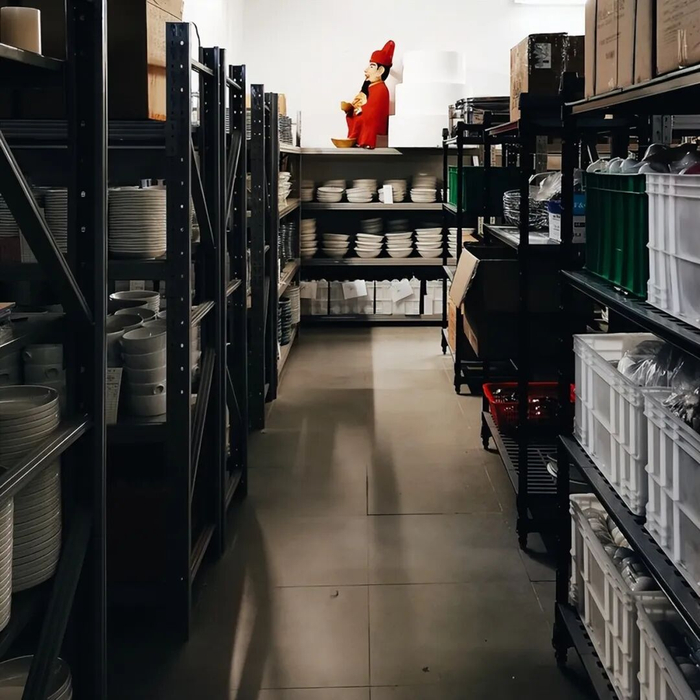
营业额暴跌50%!一批餐饮“收尸人”挣扎求生
创业邦· 2025-10-19 10:48
Core Viewpoint - The second-hand restaurant equipment recovery industry is facing significant challenges, with many operators experiencing a sharp decline in sales and increased inventory pressure due to a lack of demand and heightened competition [4][7][21]. Group 1: Industry Challenges - Many "grave diggers" in the restaurant industry are reporting a drastic drop in business, with terms like "halved revenue" and "losses" becoming common [4][5]. - The once lucrative second-hand equipment recovery business has seen profit margins plummet, with some operators struggling to sell recovered equipment, leading to inventory piling up in warehouses [7][9]. - In the first eight months of this year, one operator reported a 100% increase in recovered equipment but a 30% decrease in sales, indicating a significant mismatch between supply and demand [9][10]. Group 2: Market Dynamics - The second-hand equipment recovery market has shifted from a niche, high-profit sector to a highly competitive environment, with increased transparency in pricing and a reduction in profit margins [13][15]. - The influx of new competitors has intensified price wars, leading to a situation where equipment is sold at lower prices, further squeezing profit margins [15][17]. - The demand side has also changed, with fewer new restaurant openings and a cautious approach from entrepreneurs, resulting in a significant drop in potential buyers for second-hand equipment [17][18]. Group 3: Operational Adjustments - To cope with rising storage costs and cash flow pressures, many recovery operators are moving away from indiscriminate recovery practices to more selective operations, focusing on high-demand, quality equipment [25][26]. - Some operators are reducing their workforce and shifting to flexible labor arrangements to cut costs, while others are transitioning to online sales models to lower overhead [26][27]. - A trend towards offering enhanced services, such as extended warranties and maintenance support, is emerging as operators seek to differentiate themselves and meet the evolving needs of restaurant brands [27].

营业额暴跌50%,一批餐饮“收尸人”挣扎求生
虎嗅APP· 2025-10-17 13:42
Core Viewpoint - The second-hand restaurant equipment recovery industry is facing significant challenges, with many operators experiencing a sharp decline in sales and increased inventory pressure due to a lack of demand and heightened competition [4][6][12]. Group 1: Industry Challenges - Many "grave diggers" in the restaurant industry are reporting a halving of their revenues, with terms like "operating at a loss" becoming common [4][6]. - The traditional peak season for selling second-hand equipment has not materialized this year, leading to increased inventory and financial strain for many recovery operators [7][8]. - In the first eight months of this year, the volume of second-hand equipment recovered from hot pot restaurants increased by over 100%, but sales of related equipment dropped by more than 30% [8][12]. Group 2: Market Dynamics - The second-hand equipment recovery market has shifted from a high-margin niche to a highly competitive environment, with increased transparency in pricing and reduced profit margins [12][15]. - The previous model of low-cost acquisitions has ended, with recovery operators now facing higher purchase prices and lower selling prices, leading to a significant decline in profitability [16][18]. - The number of new restaurant openings has decreased, resulting in fewer opportunities for recovery operators to sell acquired equipment, leading to inventory buildup and cash flow issues [19][21]. Group 3: Adaptation Strategies - To survive, many recovery operators are focusing on improving inventory turnover and adopting a more selective approach to acquisitions, prioritizing high-demand and newer equipment [26][29]. - Some operators are reducing operational costs by downsizing staff and shifting to online sales models to lower rental expenses [30][31]. - A trend towards offering enhanced services, such as extended warranties and maintenance support, is emerging as operators seek to meet the evolving demands of chain brands [30][31]. Group 4: Conclusion - The second-hand restaurant equipment recovery sector is transitioning from a period of easy profits to a more professional and service-oriented model, where success will depend on understanding market needs and providing better services [32].