云设计软件平台

Search documents
暨军民开展“助企开门红”走访企业活动时强调:以高质量履职护航企业创新创造做大做强
Sou Hu Cai Jing· 2026-01-08 17:11
Group 1 - The Zhejiang Southeast Steel Structure Group is a large diversified high-tech enterprise focusing on green construction, covering areas such as health, new energy, and new materials [3] - The company has made innovations in large-span space structures, industrialized construction, and artificial intelligence assembly, aligning its development with national strategies [3] - The company is encouraged to leverage the wave of new technologies like artificial intelligence to enhance its core competitiveness and contribute to national economic development [3] Group 2 - Hangzhou Qunhe Information Technology Co., Ltd. is a leading global cloud design software platform and SaaS service provider, serving various sectors including construction and real estate [5] - The company is focusing on AI intelligent space design, industrial twin platforms, and virtual space reconstruction, with an emphasis on innovation in business models [6] - The company aims to enhance user experience and market competitiveness by integrating software and hardware into innovative, mass-production product systems [6] Group 3 - The local government emphasizes the importance of implementing the "Artificial Intelligence+" initiative to create new advantages in development through technological innovation [6] - There is a focus on strengthening key core technology breakthroughs and ensuring the organic connection between innovation chains, industry chains, and market demands [6] - The city’s legislative body aims to support enterprises in optimizing their innovation ecosystems to help them grow and achieve early success in the new year [6]



群核科技开启“杭州六小龙”IPO首秀 费用高企下“节流”难解亏损 房地产下行中如何实现“开源”?
Xin Lang Zheng Quan· 2025-05-08 08:42
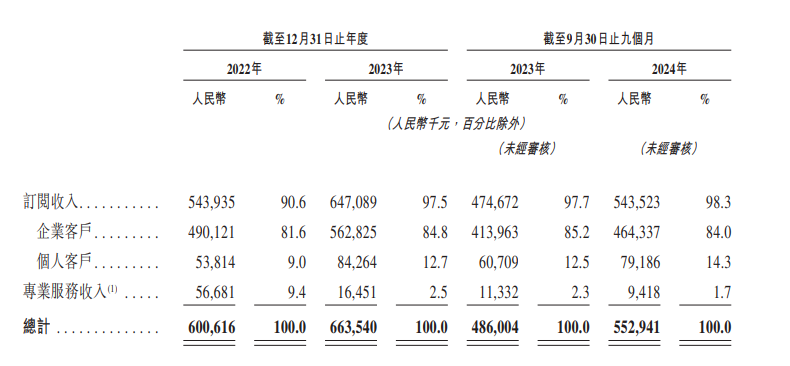
Core Viewpoint - The article discusses the emergence of six influential companies in the new technology sector in Hangzhou, known as the "Hangzhou Six Little Dragons," with a focus on Qunhe Technology, which is the first to apply for an IPO among them. The company faces challenges regarding its innovation capabilities, customer structure, and financial performance, particularly in light of its heavy reliance on the real estate industry [1][6]. Financial Performance - Qunhe Technology has shown a high asset turnover with total assets of 880 million RMB in 2022, 766 million RMB in 2023, and 564 million RMB in Q3 2024, with half of these assets being cash and cash equivalents. However, the company has reported continuous losses, with a total net profit loss of 1.29 billion RMB in Q3 2024, accumulating to 1.772 billion RMB over the past two years and three quarters [2][3]. - The company has maintained a high gross margin, with comprehensive gross margins of 72.68%, 76.76%, and 80.41% during the reporting period, despite ongoing losses [2]. Expense Management - Qunhe Technology has been actively controlling its expenses, leading to a gradual reduction in losses. R&D expenses decreased from 438 million RMB in 2022 to 263 million RMB in Q3 2024, with corresponding R&D expense ratios dropping from 72.9% to 47.6%. In contrast, sales and marketing expenses remained high, accounting for over 50% of revenue [3][4]. Customer Structure - The company derives over 80% of its revenue from enterprise clients, primarily in the real estate industry, which makes it vulnerable to fluctuations in this sector. The subscription revenue from enterprise clients has shown a decline, with average revenue per enterprise client dropping from 14,800 RMB to 13,600 RMB [6][8]. Market Conditions - The real estate industry in China has been experiencing a downturn, with new home sales in 2024 dropping by 17.1% year-on-year to 96,750 billion RMB. This decline has negatively impacted Qunhe Technology's client retention rates and subscription revenue [8]. Financing and Liabilities - Qunhe Technology has completed eight rounds of financing since 2013, with a valuation exceeding 2 billion USD after a strategic financing round in 2021. However, the company has seen an increase in redemption liabilities, which rose from 2.886 billion RMB in 2022 to 3.540 billion RMB in 2024 [4][5].