
五星酒店

Search documents
五星酒店降价拍卖难成交,各地为何还要“抢购”?背后藏那些原因
Sou Hu Cai Jing· 2025-10-29 07:30
Core Viewpoint - The current landscape of the domestic five-star hotel industry presents a stark contrast, with many luxury hotels facing auction challenges while various cities actively promote the establishment of new five-star hotels, reflecting a complex development trend influenced by market demand and local development considerations [1][3][20]. Group 1: Auction Challenges - Numerous luxury hotels are entering auction processes, with some failing to find buyers even after multiple attempts and price reductions, indicating a cooling market overall [1][3]. - For instance, the Quanzhou R&F Wanda Hotel is set to be auctioned with a starting price of 331 million yuan, which is 30% lower than the market price, while the Guangzhou R&F Airport Holiday Hotel faced two failed auctions, with the price dropping to 222 million yuan, only 56% of its assessed value [3][5]. - Over 80 hotels valued at over 100 million yuan are expected to be auctioned or listed for sale by mid-2025, but only about 6 have successfully changed hands, indicating that over 90% remain unsold [5][7]. Group 2: Local Government Initiatives - In contrast to the auction struggles, several cities are actively incentivizing the establishment of five-star hotels through subsidies and rewards, aiming to attract brands for urban development [3][9]. - For example, Kunming offers a 2% subsidy on fixed investments for new or expanded five-star hotels, with a cap of 30 million yuan per project, while Fuzhou provides a one-time reward of 1 million yuan for new five-star hotels [9][11]. - The rationale behind these investments is clear, as cities recognize the economic benefits, with hotel occupancy rates significantly increasing during events, leading to a multiplier effect on local consumption [11][13]. Group 3: Market Dynamics and Brand Strategies - The hotel industry is experiencing a shift, with younger consumers moving away from traditional luxury brands, leading to increased competition from mid-range brands like Atour and Qianxi [7][9]. - Hotel brands are adapting by focusing on second and third-tier cities, with major groups like Marriott and InterContinental signing numerous projects in these areas, while domestic brands are emphasizing the renovation of existing properties [17][19]. - The industry is undergoing a transformation where luxury is being redefined, with brands introducing lighter luxury concepts that prioritize experience over opulence, catering to a new demographic of travelers [19][22].

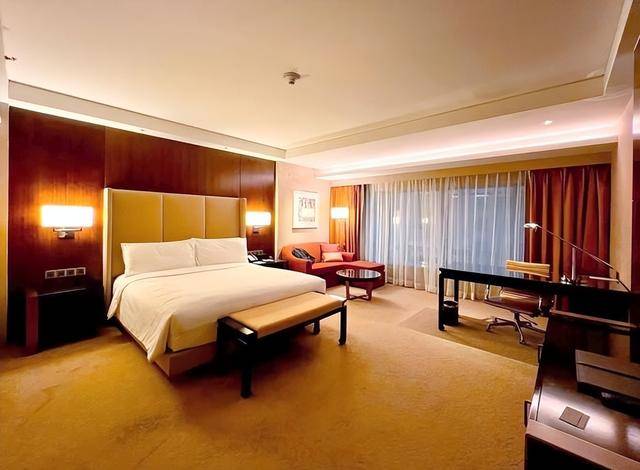
多因素驱动,广东“五一”文旅消费热潮涌动
Nan Fang Nong Cun Bao· 2025-04-30 03:04
Group 1 - The core viewpoint of the article highlights the strong growth trend in Guangdong's cultural and tourism market driven by various factors, including the upcoming May Day holiday and events like music festivals and the Canton Fair [2][20]. - As of April 27, Guangdong's cultural and tourism consumption growth rate reached 30%, ranking among the top in the country, with a notable increase of over 52% in bookings for five-star hotels during the May Day holiday [3][4]. - The integration of cultural entertainment activities, such as music festivals and concerts, with tourism is revitalizing the Guangdong cultural tourism market, as tourists increasingly prefer experiences that combine culture, entertainment, and travel [12][11]. Group 2 - The Canton Fair, as a significant platform for trade exchange, is also boosting the cultural tourism heat in Guangdong, with a 137% increase in searches for hotels near the fair venue and over 80% for nearby dining options since mid-April [21][22]. - There is a growing interest from consumers outside Guangdong, including cities like Shanghai and Beijing, in the Canton Fair, which enhances local tourism consumption as business travelers explore local attractions during their visit [26][28]. - Coastal and island tourism is gaining popularity in Guangdong, with unique geographical advantages leading to new growth opportunities, as seen in the rising interest in deep tourism projects like "island stays" and "fishing trips" [30][31]. Group 3 - The search volume for hotels near Zhuhai Gongbei Port surged by 214% and by 465% near Shenzhen Futian Port, indicating a strong resonance effect between port economy and tourism consumption [36][37]. - The ports serve as crucial hubs connecting the mainland with Hong Kong and Macau, facilitating increased lodging, dining, and shopping activities in the surrounding areas, further driving the consumption boom in Guangdong's cultural tourism market [38].
