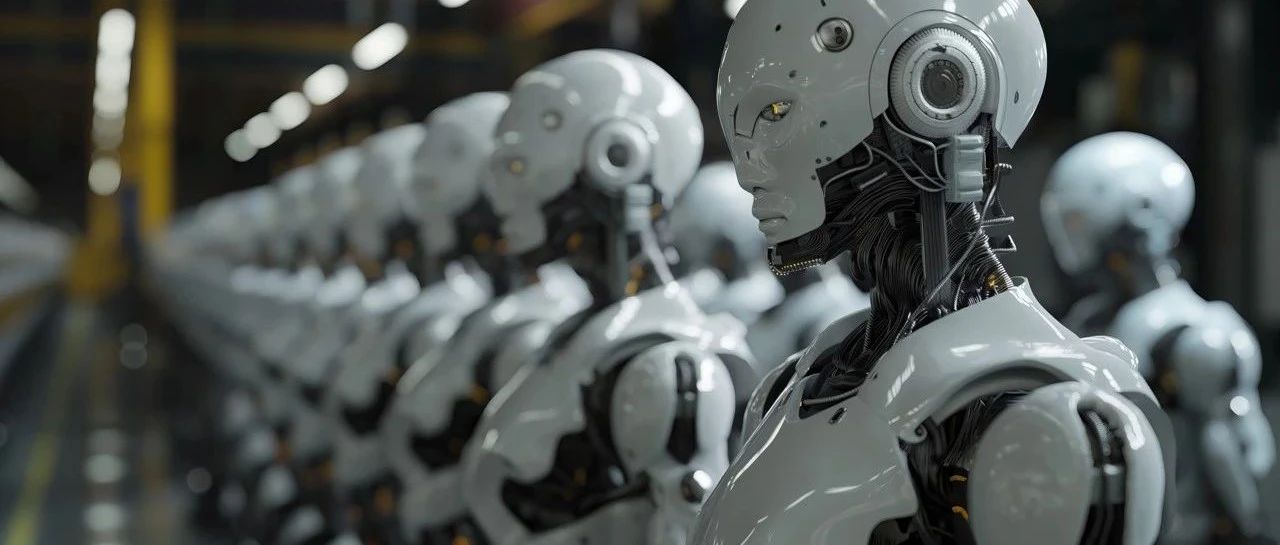
人形机器人美罗

Search documents
000333 不到九个月完成百亿回购
Shang Hai Zheng Quan Bao· 2025-12-22 12:52
Group 1 - The core point of the article is that Midea Group has successfully completed its share repurchase plan, with a total expenditure of 10 billion RMB, and has also announced a significant dividend plan for its shareholders [2][5]. - Midea Group's share repurchase plan involved repurchasing shares worth up to 10 billion RMB, with 70% of the repurchased shares intended for cancellation, reducing the registered capital [2][3]. - The company has also initiated a secondary share repurchase plan with a target of 1.5 to 3 billion RMB, which has already reached its lower limit of 1.51 billion RMB [4]. Group 2 - Midea Group reported strong financial performance, with a revenue of 364.716 billion RMB for the first three quarters of 2025, representing a year-on-year growth of 13.8%, and a net profit of 37.884 billion RMB, up 19.51% [5]. - The company is diversifying its business, with its B2B segment growing by 18%, outpacing the B2C segment's growth of 13% [6]. - Midea Group is expanding into innovative sectors such as energy and robotics, with notable revenue growth in these areas, including a 21% increase in revenue from new energy and industrial technology [6]. Group 3 - Midea Group has established a new Energy Division to enhance its focus on the energy sector, indicating a strategic upgrade in its business operations [7]. - The company has launched several advanced products in the AI and robotics space, including the KUKA AI Vision and humanoid robots, showcasing its commitment to innovation [6].


000333,不到九个月完成百亿回购
Shang Hai Zheng Quan Bao· 2025-12-22 12:21
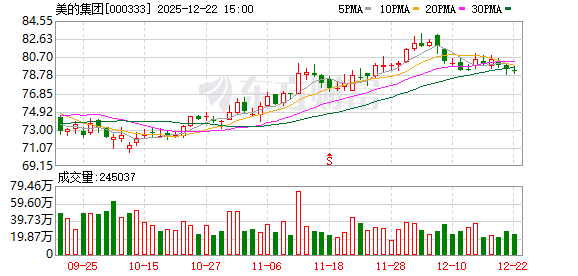
Group 1 - The core point of the article is that Midea Group has successfully completed its share repurchase plan, with a total expenditure of 10 billion RMB, and has also announced a mid-term dividend plan [1][4][5] Group 2 - Midea Group's share repurchase plan involved repurchasing shares worth up to 10 billion RMB, with 70% of the repurchased shares intended for cancellation, reducing the registered capital [1][2] - The repurchase process took less than nine months, with the first repurchase occurring at a price range of 72.02 to 72.89 RMB per share, totaling 1.5 billion RMB for 2.0781 million shares [2] - As of December 8, 2025, Midea Group had repurchased a total of 135 million shares, accounting for 1.76% of the total share capital, with a maximum price of 83.11 RMB and a minimum price of 69.91 RMB [2] - In addition to the 10 billion RMB repurchase plan, Midea Group has also initiated a secondary repurchase plan with a target of 3 billion RMB, having already reached the lower limit of 1.51 billion RMB [3] Group 3 - Midea Group announced a mid-term dividend plan, distributing 5 RMB per 10 shares, amounting to approximately 3.448 billion RMB, based on the adjusted total share capital [4] - The company's strong financial performance supports these initiatives, with a reported revenue of 364.716 billion RMB and a net profit of 37.884 billion RMB for the first three quarters of 2025, reflecting year-on-year growth of 13.8% and 19.51% respectively [4] Group 4 - Midea Group is expanding beyond traditional home appliances, showing significant growth in its B2B business, which grew by 18% year-on-year, outpacing the B2C business growth of 13% [5] - Specific revenue growth in various sectors includes 30.6 billion RMB from new energy and industrial technology (21% growth), 8.1 billion RMB from smart building technology (25% growth), and 22.6 billion RMB from robotics and automation (9% growth) [5] Group 5 - Recently, Midea Group has restructured its organization to establish a new energy division, indicating a strategic upgrade in its focus on the new energy sector [6]

造机器人:一场“谁都能干”的“全民运动”?
经济观察报· 2025-08-23 10:47
Core Viewpoint - The threshold for entering the robotics industry has significantly lowered, leading to a surge of diverse companies from various sectors attempting to manufacture robots, raising questions about the sustainability and viability of this trend [4][5][6]. Group 1: Industry Trends - The nature of "building robots" is changing, evolving from a complex task to a more accessible one, where assembling a robot is becoming a reality rather than a joke [3][6]. - The number of humanoid robot-related companies in China reached 834 by late July 2025, with over half having registered capital exceeding 10 million [6][11]. - The growth in registrations of humanoid robot companies surged by over 180% in the first half of 2025 compared to the previous year [6]. Group 2: New Players and Cross-Industry Involvement - Companies from various backgrounds, including traditional manufacturing and investment sectors, are entering the robotics field, such as Vision Technology and Jiuding Investment [4][5][13]. - Midea Group, leveraging its ownership of KUKA, is developing humanoid robots for home and factory applications, showcasing a strategic approach to robotics [15]. - Automotive companies like GAC Group are also entering the robotics space, emphasizing the technological synergies between automotive and robotics [15]. Group 3: Technological Advancements - The availability of standardized components for robots, such as sensors and actuators, has made it easier for companies to assemble robots [6][11]. - Domestic suppliers are beginning to break the monopoly of foreign brands in critical components like harmonic reducers and planetary roller screws [8][9]. - The development of specialized components, such as the BrainCo bionic hand and advanced laser radar from Hesai Technology, indicates significant progress in the robotics supply chain [7][8]. Group 4: Market Dynamics and Challenges - The influx of capital into the robotics sector has led to a competitive environment, with many companies seeking to establish themselves amid rising expectations [6][19]. - Despite the enthusiasm, the integration of various components and ensuring system stability remains a significant challenge for the industry [19][20]. - The industry is still in its early commercial stages, with many companies relying on external funding rather than self-sustaining business models [21]. Group 5: Future Outlook - The future of the robotics industry may lead to a diverse ecosystem where specialized companies coexist, focusing on niche applications while core component suppliers support the overall market [21]. - The successful companies will likely be those that can identify real-world applications and maintain resilience in a capital-intensive environment [21].