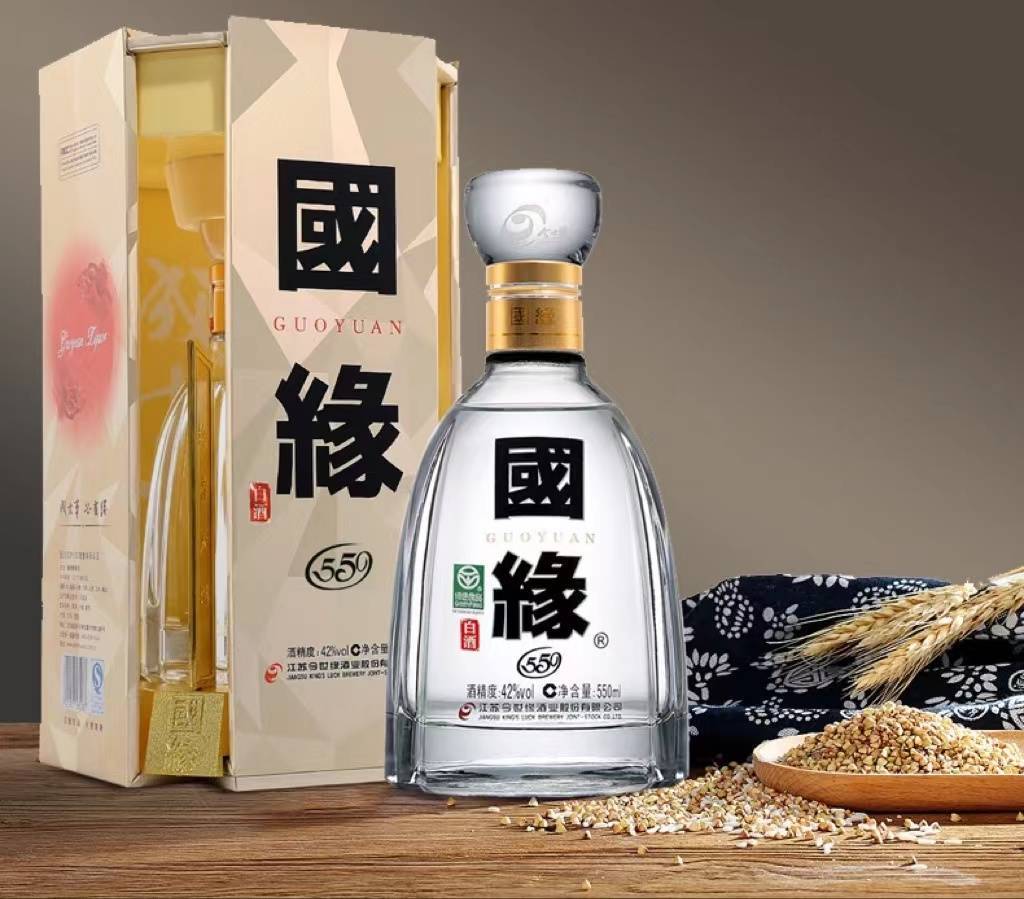
今世缘特A类产品

Search documents
“史上最冷春节”后,今世缘能否守住“缝隙生态位”?
阿尔法工场研究院· 2026-03-03 00:05
Core Viewpoint - The article emphasizes the necessity for regional liquor companies to focus on "depth" in their market strategies, contrasting with national brands that pursue "breadth" in their reach [2][17]. Market Performance - The post-Spring Festival market for liquor shows a clear "two-tier stability, mid-range pressure" pattern, with high-end liquor priced above 1000 RMB and low-end light bottle liquor under 100 RMB performing well [3]. - High-end brands like Moutai maintain stable prices between 1600 RMB and 1700 RMB, with reports of stock shortages, while brands like Wuliangye also outperform industry averages [3]. - The mid-range price segment (300 RMB - 800 RMB) faces challenges, with most brands experiencing a sales decline of 10% to 20% [4]. Industry Trends - The liquor industry is experiencing a "Matthew Effect," where market share is increasingly concentrated among top brands, leading to a decline in the number of large-scale liquor companies by 39.5% from 2017 to 2022, despite a 17.2% increase in revenue and a 114.2% increase in profits [5]. - The market is polarized, with strong demand for products priced above 800 RMB and high-value products priced between 100 RMB and 300 RMB, while regional liquor companies struggle in the middle segment [5]. Company-Specific Insights - For the first three quarters of 2025, the company Jiusiyuan reported a revenue of 8.88 billion RMB, a year-on-year decline of 10.7%, and a net profit of 2.55 billion RMB, down 17.4% [7]. - The company has seen a significant shift in product structure, with high-end products (above 300 RMB) experiencing a revenue drop of over 7%, while products priced between 100 RMB and 300 RMB showed slight growth [8]. - The management acknowledges the overall decline in industry profit margins and aims for a strategy focused on "stability and progress" for 2026, emphasizing maintaining market share and confidence [9]. Strategic Recommendations - Regional liquor companies should shift from broad provincial expansion to deepening their presence in local markets, optimizing channel efficiency and focusing on emotional engagement with consumers [14]. - The focus should transition from brand marketing to emotional connection, particularly in local cultural contexts, to create a unique consumer experience [14]. - Companies should define their value proposition rather than merely following price trends, leveraging the demand in the 100 RMB - 300 RMB segment while maintaining a presence in the high-end market [15]. Cultural and Emotional Connection - The article highlights the importance of local culture and emotional ties in building brand loyalty, suggesting that liquor can become a symbol of regional identity [18][19]. - Jiusiyuan's core asset lies in its deep-rooted "Yuan culture" in Jiangsu, which resonates with consumers during significant life events [12][13]. - The company aims to become the go-to choice for Jiangsu residents, emphasizing the emotional significance of its brand over mere market competition [21].



今世缘上半年营收69.50亿元,第二季度净利降37%;“苏超对消费量的提升难量化”
Sou Hu Cai Jing· 2025-08-26 10:19
Core Viewpoint - The liquor industry is entering a phase of stock game and shrinking competition, leading to a general performance decline among companies, including a slight revenue drop for Jinshiyuan [2] Financial Performance - In the first half of the year, the company achieved revenue of 6.95 billion yuan, a year-on-year decrease of 4.84%; net profit attributable to shareholders was 2.23 billion yuan, down 9.46% [3] - In the second quarter, revenue was 1.85 billion yuan, a year-on-year decline of 29.69%; net profit was 585 million yuan, down 37.06%, marking the first decline since 2014 [7] Market Dynamics - The company relies heavily on the domestic market, with nearly 90% of revenue coming from Jiangsu province, which generated 6.25 billion yuan, a year-on-year decrease of 6.07%; revenue from outside the province was 628 million yuan, up 4.84% [4] - The product structure shows that the only growth category was the Te A class products (factory price 100-300 yuan), with revenue of 2.23 billion yuan, up 0.74%; other price categories saw varying degrees of decline [4] Sales Channels - Direct sales (including group purchases) generated 142 million yuan, a significant year-on-year increase of 49.47%; however, wholesale and agency channels saw a revenue decline of 5.91%, still remaining the main sales channel [5] - E-commerce channels showed considerable growth due to strong online demand and continuous brand strength [5] Strategic Adjustments - The company plans to maintain its strategic direction but will make appropriate adjustments in market strategies in response to current policy environments [8] - To alleviate market pressure, the company may launch lower-alcohol products and adjust pricing strategies to enhance product competitiveness [9][13] Future Outlook - The company anticipates a potential improvement in the industry by the second half of 2026, with a possibility of a quarter-on-quarter revenue decline improvement in Q4 2025, although year-on-year performance remains uncertain [12]