
伊朗无人机

Search documents
伊朗高官:乌克兰已成为伊朗合法打击目标
21世纪经济报道· 2026-03-15 02:37
Group 1 - Iran's parliament's National Security and Foreign Policy Committee Chairman, Ebrahim Azizi, stated that Ukraine has become a legitimate target for Iran due to its support to Israel, particularly in relation to drone assistance [1] - Azizi mentioned that Ukraine's involvement in the conflict by providing drone-related support has escalated the situation, making the entire territory of Ukraine a legitimate target for Iranian strikes [1] - Ukrainian President Volodymyr Zelensky has expressed willingness to assist relevant countries in intercepting Iranian drones, and reports indicate that Ukraine has dispatched anti-drone experts to the Middle East, ready to commence operations in the coming days [1]


法国“阵风”战机击落伊朗无人机
中国能源报· 2026-03-04 12:33
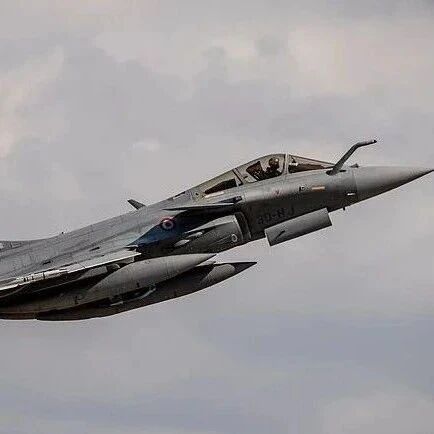
Group 1 - The French "Rafale" fighter jet shot down an Iranian drone heading to the United Arab Emirates [1] - French Foreign Minister Barrot stated that France has responded to requests for military assistance from partners, particularly the UAE [1] - The "Rafale" jets deployed in the UAE are conducting "airspace security operations" to ensure the safety of French facilities [1]
三架美军F-15被击落!美媒爆料内幕
中国能源报· 2026-03-04 09:33
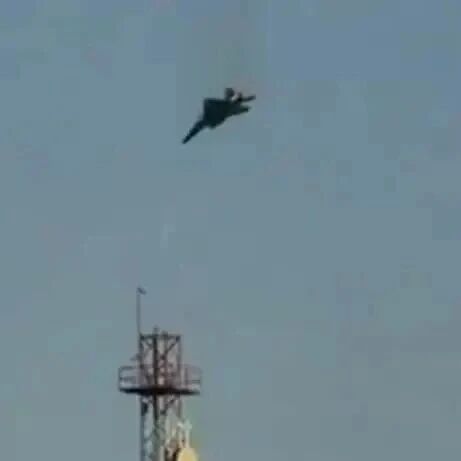
Core Viewpoint - The article discusses a significant incident involving the downing of three U.S. F-15 fighter jets by a Kuwaiti F/A-18 fighter jet due to friendly fire during a tense situation involving Iranian drones [2][4]. Summary by Sections - Incident Details: On March 1, a Kuwaiti F/A-18 fighter jet fired three missiles, resulting in the destruction of three U.S. F-15 fighter jets. The pilots of the F-15s managed to eject safely [4]. - Context of the Incident: The incident occurred shortly after multiple Iranian drones breached Kuwait's air defense system, with one drone striking a tactical operations center at a commercial port, killing six U.S. soldiers. The heightened tension led Kuwaiti personnel to open fire upon detecting the incoming drone [4]. - Official Response: The U.S. Central Command spokesperson declined to comment on the incident, and investigations are ongoing to determine the official cause of the crashes [4].
美国对伊谈判代表赴“林肯”号航母劳军
Yang Shi Xin Wen· 2026-02-07 20:32
Core Viewpoint - The U.S. continues to strengthen its military presence in the Middle East, despite ongoing negotiations with Iran, as evidenced by the visit of key officials to the USS Abraham Lincoln aircraft carrier [1] Group 1: Military Deployment - The U.S. Central Command announced that President Trump's envoy, Jared Kushner, and other officials visited the USS Abraham Lincoln in the Arabian Sea [1] - The visit included expressions of gratitude to U.S. sailors and Marines, as well as observations of flight operations [1] - An F-35C stealth fighter jet from the Lincoln aircraft carrier shot down an Iranian drone on the 3rd of this month [1] Group 2: Diplomatic Efforts - The visit by U.S. officials to the aircraft carrier signals a continued military posture in the region, even as U.S.-Iran negotiations resume [1] - The officials participated in indirect talks between the U.S. and Iran in Muscat, Oman, on the 6th [1] - President Trump indicated that negotiations between the U.S. and Iran would continue in the following week [1]
美总统特使与中央司令部司令登上“林肯”号航母
Yang Shi Xin Wen· 2026-02-07 19:15
Core Viewpoint - The article highlights a significant military engagement involving the U.S. Navy, specifically the Abraham Lincoln aircraft carrier, and an encounter with an Iranian drone, showcasing ongoing tensions in the region [1]. Group 1: Military Engagement - U.S. Special Envoy Wittekov met with U.S. Central Command Commander Brad Cooper and Jared Kushner aboard the USS Abraham Lincoln, interacting with sailors and Marines [1]. - The U.S. Navy observed flight operations on the carrier and engaged in discussions with pilots who had previously shot down an Iranian drone approaching the carrier [1]. Group 2: Incident Details - An Iranian drone attempted to approach the USS Abraham Lincoln, leading to an F-35C stealth fighter jet from the carrier shooting it down [1]. - Iran acknowledged that one of its reconnaissance drones "lost contact" but asserted that it had transmitted data back to its ground command center [1].
波斯湾战争一触即发,伊美将谈判
经济观察报· 2026-02-04 13:12
Group 1 - The core strategy of Iran involves using one-third of its strength to retaliate against the U.S. and two-thirds to attack Israel, regardless of Israel's involvement in military actions [7] - The recent air conflict in the Arabian Sea marks the opening of a new phase in the Gulf War, characterized by asymmetric warfare, with Iranian drones costing between tens of thousands to $100,000, while U.S. F-35C jets cost $170 million [4] - The air conflict resulted in no casualties, with Iran losing one drone and the U.S. expending ammunition, indicating that the losses are within both parties' tolerable limits [4] Group 2 - Upcoming negotiations between Iran and the U.S. are expected to be intense, with Iran's main demand being the lifting of U.S. sanctions, while the U.S. seeks Iran to abandon its nuclear program and limit its military capabilities [6] - The U.S. may target Iranian leadership or military assets in the event of conflict, while Iran's strategy involves retaliating against Israel, viewing it as an extension of U.S. actions [6][7] - The complexity of the situation is heightened by the intertwining of war and negotiations, suggesting a challenging path ahead for both parties [8]
伟伟道来 | 战争之门已经打开,谈判之门有望打开
Jing Ji Guan Cha Wang· 2026-02-04 06:15
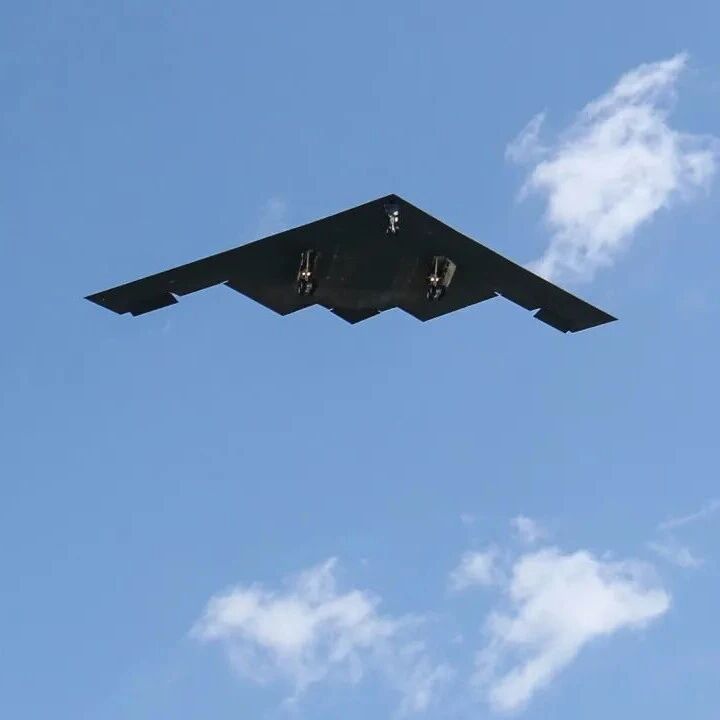
Core Viewpoint - The recent air confrontation between an Iranian drone and the US aircraft carrier "Lincoln" marks a significant escalation in tensions in the Persian Gulf, indicating the potential for further military engagement in the region [2][3]. Group 1: Air Confrontation Details - On February 3, 2026, an Iranian drone approached the US aircraft carrier "Lincoln" in the Arabian Sea, approximately 805 kilometers from the Iranian southern coast, leading to the drone being shot down by a US F-35C fighter jet [2]. - The cost of the Iranian drone is estimated to be between tens of thousands to $100,000, while the F-35C fighter jet costs $170 million, and the "Lincoln" aircraft carrier is valued at nearly $4 billion [3]. Group 2: Negotiation Dynamics - Negotiations between Iran and the US regarding nuclear issues were expected to take place on February 6, 2026, in Istanbul, with participation from several Middle Eastern countries [4]. - Following the air confrontation, Iran expressed a preference for bilateral talks in Oman, while the US maintained that the negotiations would proceed as planned in Istanbul [4]. Group 3: Strategic Considerations - The US's primary demands in negotiations include Iran's abandonment of nuclear ambitions, limitations on missile capabilities, and cessation of support for anti-Israel groups [5]. - Iran's main demand is the lifting of US sanctions, with potential discussions on oil development if initial demands are met [5]. Group 4: Potential Military Strategies - In the event of military conflict, the US may target Iranian leadership or military assets, while Iran may retaliate against Israel, viewing it as a primary adversary [6][7]. - Iran's strategy involves a significant focus on attacking Israel, regardless of its direct involvement in the conflict, as articulated by Iranian officials [7].
战争之门已经打开,谈判之门有望打开
Jing Ji Guan Cha Wang· 2026-02-04 05:27
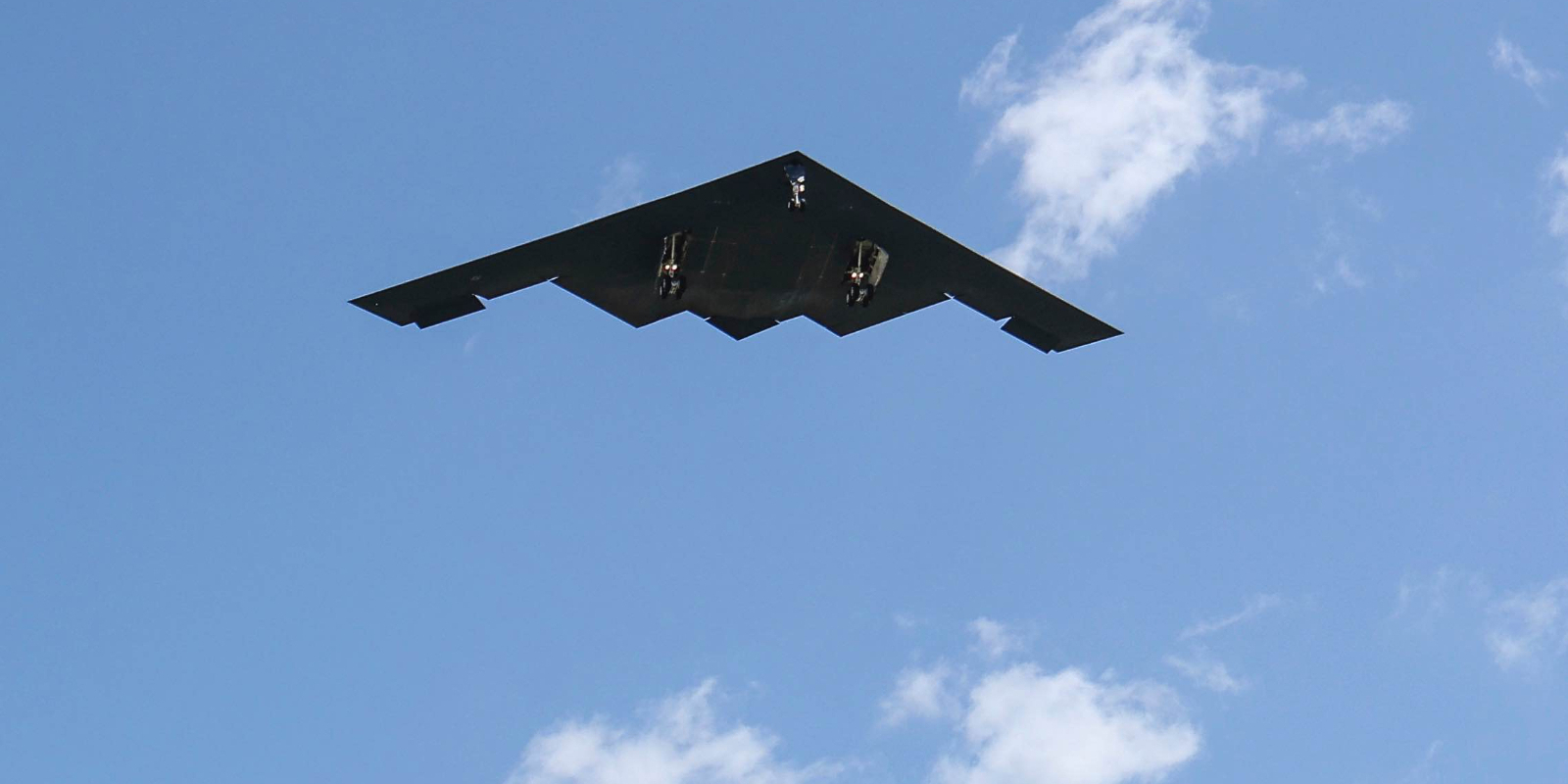
Group 1 - The core event involves an Iranian drone approaching the US aircraft carrier "Lincoln," leading to its interception by a US F-35C fighter jet, marking a significant escalation in tensions in the region [1] - The cost disparity between the Iranian drone, valued at tens of thousands to $100,000, and the US military assets, such as the F-35C at $170 million and the "Lincoln" carrier at nearly $4 billion, highlights the asymmetric nature of the conflict [1] - The incident occurred on the same day that negotiations between Iran and the US regarding nuclear issues were set to take place, indicating a potential shift in diplomatic dynamics [2] Group 2 - The anticipated negotiations involve key demands from both sides, with the US seeking Iran to abandon its nuclear ambitions and limit its military capabilities, while Iran's primary demand is the lifting of US sanctions [3] - In the event of military conflict, the US may target Iranian leadership and military infrastructure, while Iran's strategy could involve retaliating against Israel, reflecting the complex geopolitical relationships in the region [4] - The statements from Iranian officials suggest a strong likelihood of retaliation against Israel if conflict escalates, emphasizing the deep-seated animosity between Iran and Israel [5]