
伊核问题

Search documents
美方强推,中俄投下反对票
第一财经· 2026-03-13 05:28
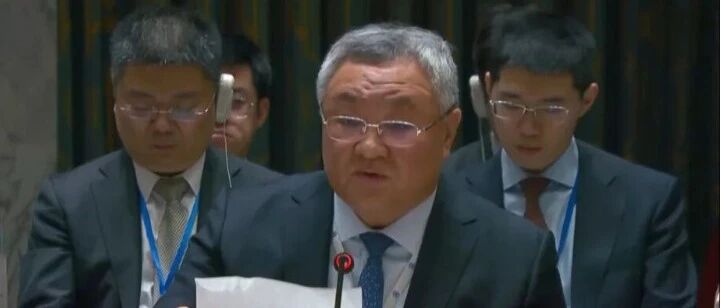
Core Viewpoint - The article discusses the recent UN Security Council meeting led by the US regarding Iran's nuclear issue, highlighting the opposition from China and Russia against the US's push for sanctions and military actions [3][5][7]. Group 1: UN Security Council Meeting - The US convened a Security Council meeting under the "non-proliferation" agenda to advance the work of the 1737 sanctions committee related to Iran, which was met with clear opposition from China and Russia [3][5]. - The meeting agenda was approved with 11 votes in favor, 2 against (China and Russia), and 2 abstentions, despite procedural objections raised by Russia and supported by China [5][9]. Group 2: China's Position - China expressed serious concerns about the US's insistence on holding the meeting amidst escalating tensions in the Middle East, arguing that it would exacerbate conflicts and undermine the prospects for a political resolution to the Iran nuclear issue [5][7]. - The Chinese representative emphasized the need to respect Iran's sovereignty and territorial integrity, urging the US and Israel to cease military actions and avoid attacks on Iran's nuclear facilities under IAEA supervision [7][9]. Group 3: Historical Context - The 1737 resolution was initially passed in 2006 to impose nuclear-related sanctions on Iran, which were suspended following the 2015 Iran nuclear deal. However, in August 2025, France, Germany, and the UK unilaterally triggered the "snapback" sanctions mechanism, seeking to restore previously suspended UN sanctions against Iran [9].

投降还是继续打?
债券笔记· 2026-03-02 10:10
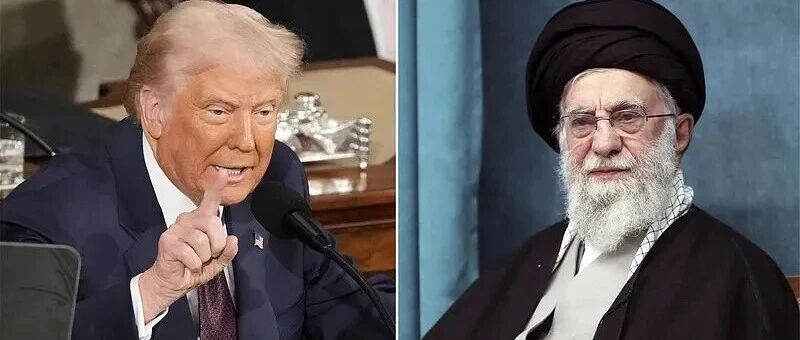
Group 1 - The core viewpoint of the article revolves around the unexpected yet anticipated military actions by the US and Israel against Iran, suggesting that the recent nuclear negotiations were more of a smokescreen by Trump [2][3] - Iran's primary demands include the lifting of sanctions and the peaceful use of nuclear energy, while the US and Israel aim for regime change in Iran, indicating a fundamental clash in objectives that is unlikely to be resolved through negotiations [3] - The article highlights that Iran is unlikely to surrender, as historical precedents show the consequences of capitulation, and the Revolutionary Guard is expected to respond aggressively if provoked [3] Group 2 - The potential for short-term increases in gold and oil prices due to the conflict is noted, but caution is advised regarding market entry given the rapidly changing battlefield dynamics [5] - Concerns are raised about the impact on stock markets, particularly in China, with the Iranian stock market halting trading and Egypt's market experiencing a decline, although the immediate effects on the Chinese market appear manageable [6] - The article emphasizes that despite market uncertainties, opportunities for investment remain, encouraging a proactive approach to identifying potential gains [6]
美伊战争:影响和展望
泽平宏观· 2026-03-01 16:06
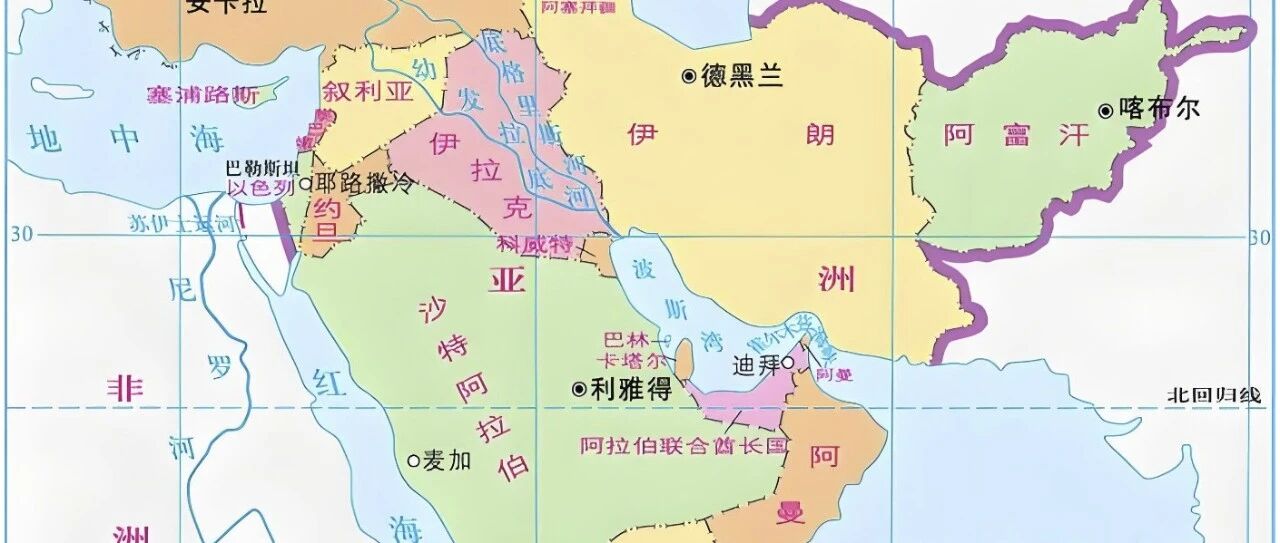
Core Viewpoint - The article discusses the recent U.S.-Israel military strike on Iran, marking a significant escalation in geopolitical tensions and resource wars, particularly focusing on Iran's nuclear capabilities and oil resources [1][5][9]. Group 1: Event Overview - On February 28, the U.S. and Israel conducted a joint military strike on Iran, targeting key strategic military infrastructure, resulting in the death of Iran's Supreme Leader Khamenei [5]. - The attack was a response to Iran's refusal to dismantle its nuclear facilities and surrender enriched uranium, following failed negotiations [8]. - Iran retaliated with missile and drone strikes against U.S. military bases in the region, leading to widespread disruptions in air travel and emergency UN meetings [5][11]. Group 2: Background and Historical Context - The U.S.-Iran relationship has evolved from alliance to adversarial over the past century, influenced by significant historical events such as the 1953 CIA-backed coup and the 1979 Islamic Revolution [6][7]. - The focus of U.S.-Israeli tensions with Iran centers on Iran's nuclear program, which has faced international sanctions and scrutiny since its secret reactivation in the 1980s [7][9]. Group 3: Geopolitical and Resource Implications - The U.S. aims to weaken Iran's nuclear capabilities and assert dominance in the Middle East, viewing Iran's military and energy resources as direct threats to its hegemony [9][10]. - Iran possesses the world's third-largest oil reserves and second-largest natural gas reserves, controlling critical shipping routes through the Strait of Hormuz, which is vital for global oil transport [9][10]. Group 4: Market Reactions and Future Scenarios - Following the attack, there was a notable market reaction with cryptocurrency values plummeting, oil prices surging, and gold strengthening due to increased risk aversion [2][11]. - Three potential scenarios for future developments are outlined: 1. A quick resolution leading to market normalization, with oil prices stabilizing and stock markets rebounding [12][15]. 2. A prolonged conflict causing significant increases in energy prices and market volatility [16][17]. 3. A full-scale regional war resulting in a global energy crisis reminiscent of the 1970s, with sustained high energy prices and economic stagnation [18][19].
特朗普重申伊朗不能拥有核武器,并对伊方在核问题谈判中表现不满意:我不高兴,但谈判将继续,只是有时候不得不打
Xin Lang Cai Jing· 2026-02-28 00:39
Group 1 - The core viewpoint is that President Trump is dissatisfied with the progress of nuclear negotiations with Iran and emphasizes the need for a strong stance in talks [1][2] - Trump expresses a desire for a meaningful agreement with Iran while acknowledging the challenges and dangers of negotiations [2][3] - The U.S. maintains a firm position that Iran should not possess nuclear weapons and should not engage in uranium enrichment [1] Group 2 - Multiple countries, including Cyprus and Belgium, are advising their citizens to avoid travel to Iran and other parts of the Middle East due to escalating security concerns [4] - The warnings from various nations reflect a broader concern about the instability in the region and the potential risks to travelers [4]
国泰君安期货:美伊局势进入关键窗口期!一文看懂对期货市场各板块影响
Xin Lang Cai Jing· 2026-02-27 09:03
Group 1 - The current situation between the US and Iran is at a critical juncture, with both sides in a state of high military readiness while engaging in negotiations [2][22] - The historical context of US-Iran relations shows a dramatic evolution from strategic allies to full-blown conflict over several decades [3][23] - The nuclear issue remains a key factor influencing the dynamics of US-Iran relations, with ongoing uncertainty about whether tensions will ease or escalate [10][30] Group 2 - The US-Iran situation impacts the futures market primarily through risk aversion, supply disruptions, and cost transmission across various sectors [11][31] - In the energy and chemical sector, oil production and transportation are significantly affected, as Iran accounts for approximately 3% of global oil production and the Strait of Hormuz is crucial for over 20% of global oil transport [12][33] - If tensions escalate, potential disruptions in oil supply could lead to increased costs and longer transportation times [33] Group 3 - Gold is viewed as a safe haven during conflict, with short-term price movements closely tied to negotiation progress and long-term support from geopolitical factors and de-dollarization trends [15][36] - In the non-ferrous metals sector, copper prices may be influenced by risk aversion, while aluminum and zinc production costs could rise due to increased energy prices from geopolitical tensions [17][38] - Agricultural products, particularly oilseeds, may see price increases if oil prices rise, as the demand for biodiesel substitutes could increase [39]

阿曼外交大臣在日内瓦会见美特使 讨论伊核问题
Xin Lang Cai Jing· 2026-02-26 10:25
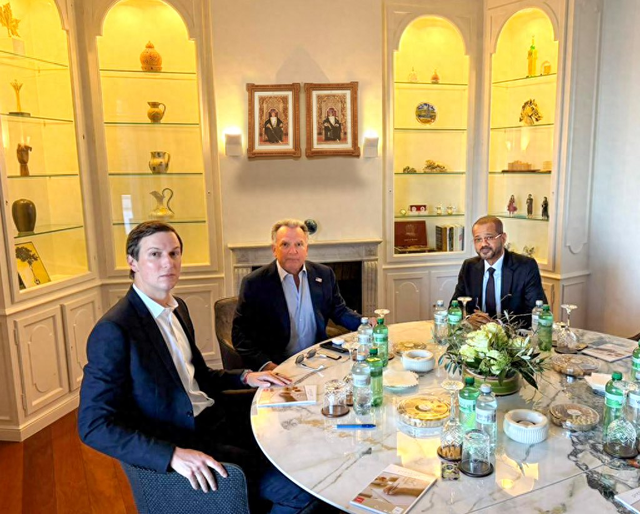
Core Viewpoint - The meeting between Oman's Foreign Minister Badr and U.S. representatives, including President Trump's son-in-law Jared Kushner, focuses on the indirect negotiations between the U.S. and Iran regarding Iran's nuclear program [1] Group 1 - The discussions included Iran's proposals and the U.S. negotiation team's responses and inquiries regarding the core issues of Iran's nuclear program [1] - Necessary safeguards for reaching a nuclear agreement were discussed, covering technical and regulatory aspects [1] - Badr emphasized that all parties are advancing the negotiation process with a constructive attitude, showcasing unprecedented openness to innovative and creative ideas [1]
阿曼外交大臣在日内瓦会见美特使,讨论伊核问题
Xin Lang Cai Jing· 2026-02-26 10:25
Core Viewpoint - The meeting between Oman's Foreign Minister Badr and U.S. representatives, including President Trump's son-in-law Jared Kushner, is part of the ongoing indirect negotiations between the U.S. and Iran regarding Iran's nuclear program [2] Group 1 - The discussions included Iran's proposals and the U.S. negotiating team's responses and inquiries regarding the core issues of Iran's nuclear program [2] - Necessary safeguards for reaching a nuclear agreement were discussed, covering technical and regulatory demands [2] - Badr emphasized that all parties are advancing the negotiation process with a constructive attitude, showcasing unprecedented openness to innovative and creative ideas [2]
伟伟道来 |两个因素决定美国是否会攻打伊朗,何时攻打伊朗
Jing Ji Guan Cha Wang· 2026-02-25 08:05
Group 1 - The core viewpoint of the article highlights the escalating tensions between the US and Iran, with both nations preparing for potential military conflict, as evidenced by the deployment of the US aircraft carrier "Ford" to the Persian Gulf and Iran's strategic preparations under Supreme Leader Khamenei [2][9] - Two main factors determine whether and when the US will attack Iran: the outcome of US-Iran negotiations and domestic public opinion in the US [3][10] - The first factor, US-Iran negotiations, includes indirect talks that have taken place in Oman and Geneva, with a critical third round scheduled for February 26, where the potential for direct negotiations remains uncertain [5][6] Group 2 - Iran's willingness to make concessions on its nuclear program is crucial for the success of the negotiations, as it seeks to maintain its nuclear development capabilities while asserting its right to peaceful nuclear energy [6][7] - If Iran proposes significant concessions during the February 26 talks, it may influence President Trump's decision on military action [8] - The second factor, US domestic public opinion, shows that 70% of American voters oppose military action against Iran, which could impact Trump's willingness to engage in conflict [11][12] Group 3 - Trump's approval ratings are at a low point, with significant dissatisfaction regarding his handling of various domestic issues, which may affect his decision-making regarding military action against Iran [12] - The upcoming State of the Union address on February 24 will address the Iran nuclear issue and could influence Trump's public support and his subsequent decisions on military engagement [13]
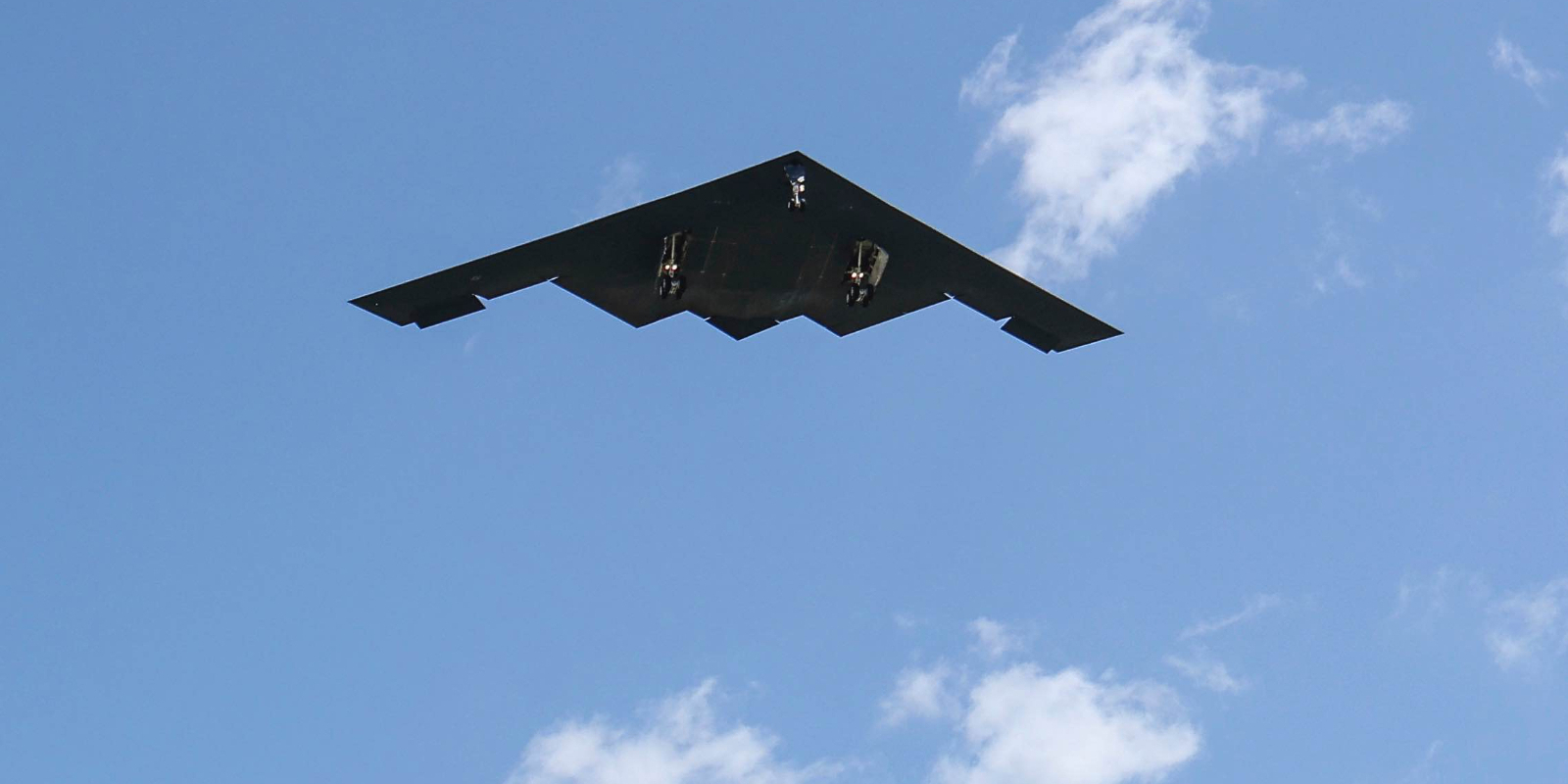
两个因素决定美国是否会攻打伊朗,何时攻打伊朗
Jing Ji Guan Cha Wang· 2026-02-25 08:03
Group 1 - The core issue revolves around the potential for military conflict between the U.S. and Iran, with both nations preparing for possible war [1] - The U.S. has deployed the second aircraft carrier strike group, the "Ford," to the Persian Gulf region, indicating heightened military readiness [1] - Iran's Supreme Leader Khamenei has made extensive preparations to ensure the continuity of the Iranian state and military operations in the event of a crisis [1][6] Group 2 - Two main factors will determine whether and when the U.S. will attack Iran: the outcome of U.S.-Iran negotiations and domestic public opinion in the U.S. [2][7] - The first round of indirect negotiations took place in Oman on February 6, followed by a second round in Geneva on February 17, with a third round scheduled for February 26 [3] - The success of these negotiations hinges on the extent to which Iran is willing to make concessions regarding its nuclear program [4] Group 3 - Iran has expressed a commitment not to pursue nuclear weapons while asserting its right to peaceful nuclear energy, complicating the negotiation dynamics [4] - If Iran proposes significant concessions during the February 26 talks, it may influence President Trump's decision on military action [5] - Conversely, if Iran maintains its previous stance, it indicates readiness for a potential U.S. attack [6] Group 4 - Public opinion in the U.S. shows significant resistance to military action against Iran, with 70% of voters opposing such a move according to a Quinnipiac University poll [8] - President Trump's approval ratings are at a low point, with 60% of Americans expressing dissatisfaction with his overall performance, which may impact his decision-making regarding Iran [9] - The upcoming State of the Union address on February 24 will address the Iran nuclear issue, potentially affecting Trump's public support and his stance on military action [10] Group 5 - The situation regarding Iran's nuclear program is expected to be extremely precarious after February 26, following the conclusion of the third round of negotiations and Trump's State of the Union address [11]
伊朗外长:仍可能达成外交解决方案
Xin Lang Cai Jing· 2026-02-23 19:42
Core Viewpoint - The possibility of reaching a "better agreement" than the 2015 Iran nuclear deal is emphasized by Iranian Foreign Minister Zarif, who asserts Iran's right to peacefully utilize nuclear energy [1][2]. Group 1: Upcoming Negotiations - A new round of negotiations between the U.S. and Iran is scheduled for February 26 in Geneva, Switzerland, as confirmed by Omani Foreign Minister Badr [4]. - Zarif indicated that Iran is drafting a proposal to present to the U.S. and believes that a swift agreement between the two nations is possible [2]. Group 2: Key Issues in Negotiations - The negotiations are focused solely on nuclear issues, with no other topics being discussed [3]. - Zarif stated that uranium enrichment is a right of Iran and a sensitive part of the negotiations, suggesting that both sides understand each other's positions and concerns [2]. Group 3: Context of the Negotiations - The 2015 nuclear deal involved Iran limiting its nuclear activities in exchange for the lifting of sanctions by the U.S., EU, and UN, but the U.S. withdrew from the agreement in 2018 and reinstated sanctions [4].