伊朗里亚尔

Search documents
伊朗里亚尔暴跌、骚乱持续!特朗普威胁干涉令紧张气氛升温
Di Yi Cai Jing· 2026-01-08 10:30
Core Viewpoint - The Iranian currency, the rial, is experiencing significant depreciation, leading to social unrest and protests across the country, particularly in the southwestern province of Chaharmahal and Bakhtiari, where clashes have resulted in casualties among police and civilians [1][6]. Group 1: Currency Depreciation and Economic Impact - In 2025, the Iranian rial depreciated by over one-third against the US dollar, with the exchange rate reaching 1,380,000 rials per dollar by December 31, 2025, compared to approximately 430,000 rials when the central bank governor, Farzin, took office in 2022 [3]. - The inflation rate in Iran reached 52% year-on-year in December 2025, exacerbating the economic situation for ordinary citizens, whose monthly salaries are now equivalent to just over $100 [3][6]. - The Iranian government has set an official exchange rate of 42,000 rials per dollar, while the free market rate is around 1,500,000 rials, indicating a significant disparity [3]. Group 2: Government Response and Reforms - The Iranian government has initiated a series of economic reforms, including increased monetary control and enhanced subsidies for essential goods, to stabilize the currency and improve living conditions for citizens [5]. - President Pezeshkian has ordered discussions with protest representatives to address their grievances and has announced a subsidy program for citizens starting January 10, 2026, to last for four months [4][5]. - The Iranian government views currency reform as a necessary "economic surgery," acknowledging that it may cause short-term disruptions but is expected to benefit the economy in the long run [4]. Group 3: Social Unrest and Political Context - Protests have escalated, with reports of shop owners gathering and clashing with police, leading to injuries and property damage [6]. - The unrest has been fueled by the economic crisis stemming from severe sanctions imposed by the US and Western nations since 2018, which have led to currency devaluation and high inflation [6]. - US President Trump has threatened intervention in the unrest, which has drawn warnings from Iranian officials about the potential consequences of foreign interference in domestic affairs [6][7].

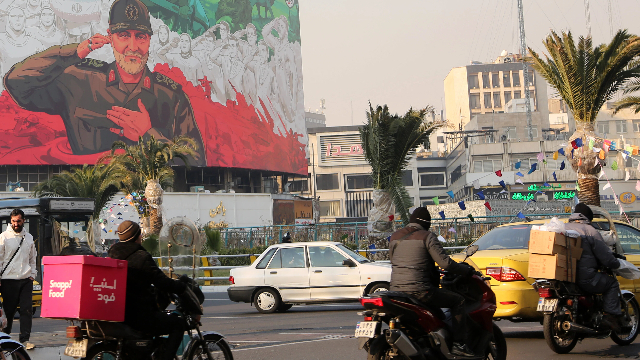
伊朗,突发!崩盘、失控 发生了什么?
Xin Lang Cai Jing· 2025-12-31 01:33
Core Insights - Iran's currency, the rial, has plummeted to a historic low of 42,125 rials per US dollar, while inflation accelerated to 42.2% in December, leading to economic turmoil and financial distress for households [1][5] - Protests erupted in Tehran and other cities against soaring inflation and currency collapse, indicating widespread public discontent and economic chaos [1][5] Group 1: Protests and Public Response - Protests have spread to multiple cities including Tehran, Mashhad, Kermanshah, Hamadan, Karaj, Malard, and Kish, with significant participation from merchants and citizens [2][6] - Demonstrators in Tehran gathered at Tupkhaneh Square and other locations, chanting slogans such as "This year is a year of blood," reflecting the intensity of the protests [2][6] - The protests have escalated into confrontations with security forces, with demonstrators reportedly throwing stones in self-defense [2][6] Group 2: Government Response and Economic Challenges - Iranian President Ebrahim Raisi emphasized the government's commitment to economic reform and dialogue with protesters, stating that the livelihood of ordinary citizens is a daily concern [3][7] - The Iranian economy faces significant challenges, including soaring inflation, a collapsing rial, stagnant GDP growth, and capital flight exacerbated by US sanctions [3][7] - The resignation of the Central Bank Governor Mohammad Reza Farzin has been reported, with former Economic Minister Abdolnaser Hemmati expected to take over, indicating potential shifts in economic policy [3][7]
伊朗突发!崩盘、失控!发生了什么?
Zheng Quan Shi Bao Wang· 2025-12-30 23:58
Core Insights - Iran is facing a severe economic crisis characterized by a historic low of the Iranian rial at 42,125 rials per US dollar and a rapid inflation rate of 42.2% as of December [1] - Protests have erupted across multiple cities, including Tehran, in response to soaring inflation and currency collapse, indicating widespread public discontent [2] - The Iranian government, led by President Pezeshkian, is prioritizing economic reforms and dialogue with protesters, acknowledging the urgent need to address citizens' livelihoods [3] Economic Situation - The Iranian rial has depreciated significantly, reaching its lowest value against the US dollar, which is a critical indicator of the country's economic instability [1][3] - Inflation has accelerated to 42.2%, exacerbating the financial struggles of households and contributing to public unrest [1] Protests and Public Response - Protests have spread to various cities, including Mashhad, Kermanshah, and Hamedan, with demonstrators expressing their frustrations through marches and strikes [2] - The protests have escalated in intensity, with confrontations between demonstrators and security forces, highlighting the potential for ongoing civil unrest [2] Government Actions - President Pezeshkian has emphasized the importance of economic reform and has initiated dialogue with protest representatives to address their concerns [3] - The resignation of the central bank governor reflects the government's attempt to respond to the economic crisis and public dissatisfaction [3]
伊朗,突发!崩盘、失控!发生了什么?
券商中国· 2025-12-30 23:56
Core Viewpoint - Iran is facing a severe economic crisis characterized by a historic low of the Iranian rial at 42,125 rials per US dollar and a rapid inflation rate of 42.2% as of December, leading to widespread protests and civil unrest [1][4]. Group 1: Economic Situation - The Iranian rial has depreciated significantly, reaching its lowest value against the US dollar, which has contributed to economic chaos and financial distress for households [1][4]. - Inflation in Iran has accelerated to 42.2%, exacerbating the economic challenges faced by the population [1]. - The Iranian economy is grappling with soaring inflation, a collapsing currency, stagnant GDP growth, and capital flight due to US sanctions [4][6]. Group 2: Protests and Civil Unrest - Protests have erupted in Tehran and other cities, with demonstrators expressing their frustration over rising inflation and the currency crisis [2][3]. - The protests have spread to multiple cities, including Mashhad, Kermanshah, and Hamedan, with participants engaging in confrontations with security forces [3]. - Merchants in Tehran have vowed to extend their strikes, indicating a sustained wave of civil disobedience against the government [3]. Group 3: Government Response - Iranian President Ebrahim Raisi has stated that the government is prioritizing economic reforms and dialogue with protesters, emphasizing the importance of citizens' livelihoods [5]. - The resignation of the Central Bank Governor has been reported, with indications that the government is seeking to respond to public discontent and stabilize the situation [6]. - Raisi's administration is under pressure to demonstrate responsiveness to societal demands amid ongoing economic difficulties and protests that have persisted since 2017 [6].
伊媒:伊朗宪法监护委员会批准从国家货币里亚尔中“去掉4个零”的计划
Huan Qiu Wang· 2025-11-09 02:11
Core Points - The Iranian Guardian Council has approved a plan to remove four zeros from the national currency, the rial, as part of a long-discussed monetary reform [1][3] - The reform aims to simplify transactions and address severe inflation issues in Iran, which have been exacerbated by economic sanctions since the U.S. withdrawal from the nuclear deal in 2018 [3] Summary by Sections - **Approval Process** - The Guardian Council reviewed and confirmed a bill passed by the Iranian parliament regarding the currency reform, stating it does not conflict with Islamic law or the constitution [3] - The bill will initiate a process to revalue the national currency once it becomes effective, with a gradual implementation over several years to ensure readiness [3] - **Background and Context** - Previous Iranian governments have mentioned the need for currency reform, with the current plan being a response to ongoing economic challenges [3] - The reform will mean that one new rial will be equivalent to 10,000 old rials, reflecting the significant devaluation of the currency [3] - **Economic Impact** - The currency reform is part of broader efforts to combat severe inflation and economic decline resulting from multiple rounds of sanctions imposed by Western countries [3]
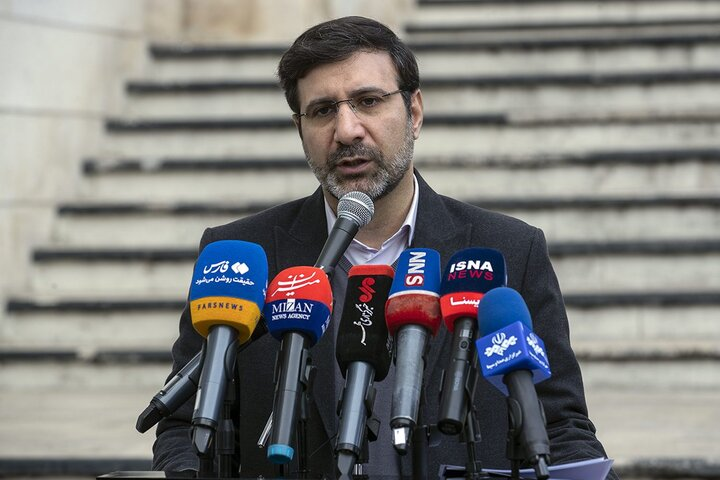
1美元兑1150000里亚尔!伊朗货币将抹掉四个零 什么情况?
Mei Ri Jing Ji Xin Wen· 2025-10-06 02:36
Group 1 - Iran's parliament has approved a comprehensive reform of its currency system, which will involve removing four zeros from the national currency over the next few years to simplify transactions after years of inflation [1] - The Iranian rial has depreciated significantly, with a current exchange rate of 1 USD to 1,150,000 rials, attributed to inflation rates exceeding 35% [1] - The reform will not happen overnight; the central bank has a two-year preparation period followed by a three-year transition period during which both old and new denominations will coexist [1] Group 2 - Syria plans to issue new banknotes that will remove two zeros from its currency to restore public confidence in the severely devalued Syrian pound [2] - The Syrian pound has lost over 99% of its value since the war began in 2011, with the current exchange rate at approximately 10,000 pounds to 1 USD, compared to 50 pounds to 1 USD before the conflict [2] - The central bank of Syria has confirmed that this currency reform is a strategic pillar of fiscal and monetary reform [2]