侨批

Search documents
一纸侨批牵万里(侨界关注)
Ren Min Ri Bao Hai Wai Ban· 2025-12-26 00:37
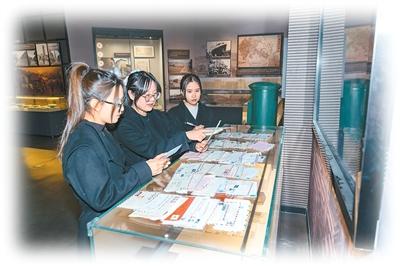
Core Viewpoint - The article highlights the significance of "Qiaobi" (overseas remittance letters) in connecting overseas Chinese with their hometowns, particularly in Fuzhou, Fujian Province, showcasing the emotional and economic impact of these letters on local communities and the development of the region [4][10]. Group 1: Historical Context and Significance - "Qiaobi" served as a vital communication link for overseas Chinese, often being the only means to connect with family back home, especially during times of war and economic hardship [10]. - The name "Lin Huarong" frequently appears in remittance letters, representing a special code used by the Bank of China in Fuzhou to facilitate safe transfers of funds from overseas Chinese to their families in China [7][9]. - The letters not only conveyed financial support but also expressed deep emotional ties and cultural identity, symbolizing the connection between overseas Chinese and their homeland [5][11]. Group 2: Economic Impact - The remittances sent through "Qiaobi" significantly contributed to the economic development of Fuzhou, helping to fund infrastructure projects, schools, and local businesses [11][12]. - Since the reform and opening up, the use of remittances has expanded from simple financial support to investments in industrial and educational projects, leading to the establishment of various development zones and industrial parks in Fuzhou [11][12]. - It is estimated that overseas Chinese have invested over $10 billion in Fuzhou, with contributions exceeding 4.6 billion RMB to public welfare projects [11][12]. Group 3: Cultural Legacy - The Fuzhou Overseas Chinese Museum serves as a cultural landmark, preserving the history and contributions of overseas Chinese, and continues to promote the stories of their struggles and achievements [12][13]. - The emotional legacy of "Qiaobi" persists, with newer generations of overseas Chinese maintaining their connection to their roots and contributing to local development [13][14]. - Recent initiatives, such as the establishment of the "Two Countries, Dual Parks" innovation center, reflect the ongoing commitment of overseas Chinese to support their hometowns and engage in national development strategies [14].

一财全球人文沙龙特别场:狮城循迹,侨批银信联通世界记忆
Di Yi Cai Jing· 2025-09-23 10:39
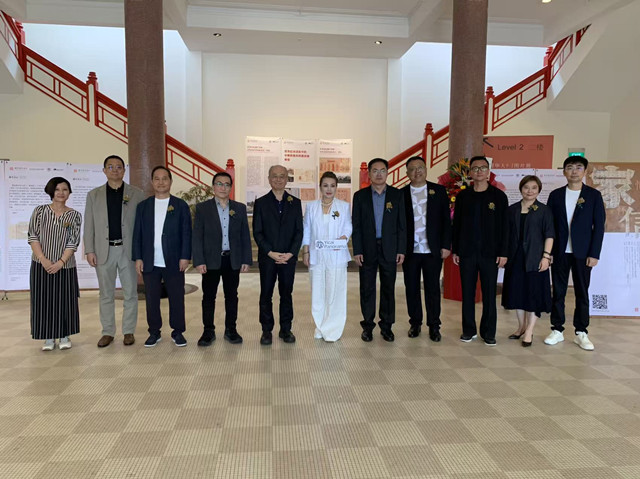
Core Viewpoint - The news highlights the significance of "Qiaopi" (overseas remittance letters) in documenting the struggles and emotional ties of Chinese immigrants, while also promoting cultural exchange through the Yicai Panorama salon and related exhibitions [1][2]. Group 1: Cultural Exchange Initiatives - The Yicai Panorama salon aims to gather global cross-disciplinary individuals to share cultural wealth and historical memories, with its first event scheduled for September 2025 at Nanyang Technological University in Singapore [1]. - The exhibition "Qiaopi Silver Letters: World Memory Heritage Exhibition," co-hosted by Guangdong University of Foreign Studies and Nanyang Technological University, seeks to enhance the social impact of the National Art Fund and promote the values of overseas Chinese [2]. Group 2: Historical Context of Qiaopi - Qiaopi, also known as silver letters, served as a unique postal medium for overseas Chinese to send remittances and messages back home, reflecting their deep emotional connections to their homeland [1][6]. - The history of Qiaopi dates back to the mid-19th century, primarily flourishing in coastal regions of China and among overseas communities in Southeast Asia and North America, with a significant rise in the establishment of Qiaopi offices by the late 19th century [6]. Group 3: Academic Contributions and Discussions - A seminar focusing on Qiaopi research was held, featuring presentations from experts who discussed the historical evolution, cultural significance, and contemporary relevance of Qiaopi [4]. - The contributions of overseas Chinese to their hometowns, including infrastructure development and economic transformation, were emphasized as a unique aspect of rural development during the Republican era in China [6]. Group 4: Donations and Cultural Preservation - During the exhibition, a significant donation of Qiaopi artifacts was made to Guangdong University of Foreign Studies, enhancing its collection and supporting research in overseas Chinese culture [7]. - The ongoing dialogue and collaboration between institutions in different countries aim to preserve the memories and connections of overseas Chinese, ensuring that their stories continue to be told in the modern era [7].