华侨文化

Search documents
(新春走基层)浙江青田年味浓 侨乡石雕引客来
Xin Lang Cai Jing· 2026-02-19 11:41
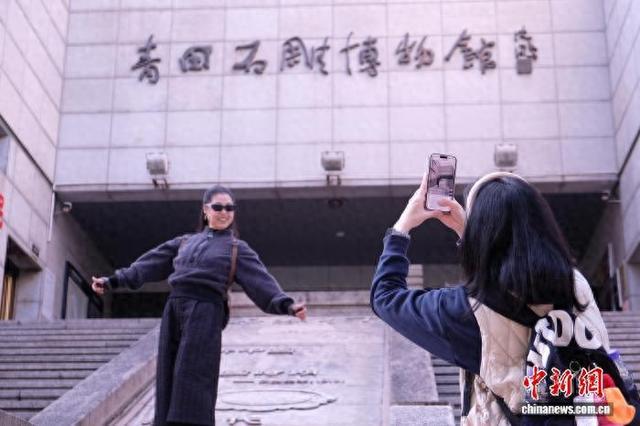
Core Viewpoint - The article highlights the significance of Qingtian stone carving as a cultural heritage and tourist attraction in Qingtian County, Lishui City, Zhejiang Province, China, especially during the Spring Festival when visitors engage with the unique overseas Chinese culture through stone sculptures [2]. Group 1 - Qingtian County is renowned as a famous hometown for overseas Chinese and is known as "the hometown of stone carving" in China [2]. - The Qingtian stone carving art was brought to the world by overseas Chinese, showcasing its international appeal [2]. - During the Spring Festival, tourists visit the Qingtian Stone Carving Museum to appreciate the stone carving works and experience the charm of overseas Chinese culture [2].

华侨文化对留学回国人员创业动机的影响
Xin Lang Cai Jing· 2026-01-19 22:17
Core Viewpoint - The article discusses the rising trend of Chinese students returning to China to start businesses, driven by cultural identity, policy incentives, and market opportunities, with a significant influence from overseas Chinese culture [1][5]. Group 1: Cultural Identity and Emotional Belonging - Cultural identity and emotional belonging are identified as core driving forces for entrepreneurship among returnees, as overseas Chinese culture fosters a continuous connection to their homeland [2][3]. - The return to China for entrepreneurship is seen as a step towards reshaping cultural identity and fulfilling emotional belonging, addressing personal development within the context of national rejuvenation [2][3]. Group 2: Cross-Cultural Knowledge and Capabilities - The inherent inclusiveness of overseas Chinese culture encourages returnees to innovate and reorganize their knowledge and capabilities acquired abroad, leading to differentiated entrepreneurial opportunities [2][3]. - Returnees develop a cognitive model that integrates Eastern and Western perspectives, enhancing their ability to identify market, technology, and management differences, which translates into creative entrepreneurial practices [2][3]. Group 3: Social Networks and Capital Support - The social networks formed during their time abroad provide substantial support for returnees in their initial entrepreneurial phases, facilitating access to industry information, partnerships, funding, and customer channels [3][4]. - Trust built on shared cultural backgrounds significantly reduces transaction costs and uncertainties during the early stages of entrepreneurship [3][4]. Group 4: Sustainable Innovation and Development - The influence of overseas Chinese culture extends beyond motivation, providing sustainable innovation momentum for long-term development of returnee entrepreneurs [4][5]. - Recommendations include enhancing policy support for integrating overseas expertise, providing cultural adaptation training, and building a "Chinese Innovation Ecosystem" to facilitate capital transformation and international cooperation [4][5]. Group 5: Data-Driven Support Systems - The establishment of data-driven support systems, such as a platform for overseas Chinese data, is suggested to better match regional industrial needs with the expertise and investment intentions of overseas Chinese [4][5].

一财全球人文沙龙特别场:狮城循迹,侨批银信联通世界记忆
Di Yi Cai Jing· 2025-09-23 10:39
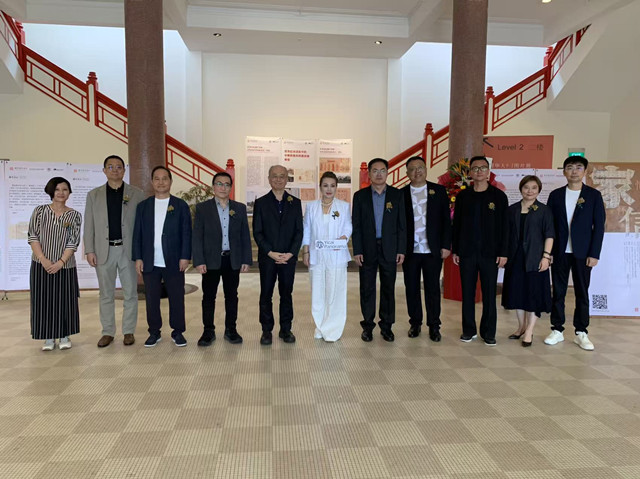
Core Viewpoint - The news highlights the significance of "Qiaopi" (overseas remittance letters) in documenting the struggles and emotional ties of Chinese immigrants, while also promoting cultural exchange through the Yicai Panorama salon and related exhibitions [1][2]. Group 1: Cultural Exchange Initiatives - The Yicai Panorama salon aims to gather global cross-disciplinary individuals to share cultural wealth and historical memories, with its first event scheduled for September 2025 at Nanyang Technological University in Singapore [1]. - The exhibition "Qiaopi Silver Letters: World Memory Heritage Exhibition," co-hosted by Guangdong University of Foreign Studies and Nanyang Technological University, seeks to enhance the social impact of the National Art Fund and promote the values of overseas Chinese [2]. Group 2: Historical Context of Qiaopi - Qiaopi, also known as silver letters, served as a unique postal medium for overseas Chinese to send remittances and messages back home, reflecting their deep emotional connections to their homeland [1][6]. - The history of Qiaopi dates back to the mid-19th century, primarily flourishing in coastal regions of China and among overseas communities in Southeast Asia and North America, with a significant rise in the establishment of Qiaopi offices by the late 19th century [6]. Group 3: Academic Contributions and Discussions - A seminar focusing on Qiaopi research was held, featuring presentations from experts who discussed the historical evolution, cultural significance, and contemporary relevance of Qiaopi [4]. - The contributions of overseas Chinese to their hometowns, including infrastructure development and economic transformation, were emphasized as a unique aspect of rural development during the Republican era in China [6]. Group 4: Donations and Cultural Preservation - During the exhibition, a significant donation of Qiaopi artifacts was made to Guangdong University of Foreign Studies, enhancing its collection and supporting research in overseas Chinese culture [7]. - The ongoing dialogue and collaboration between institutions in different countries aim to preserve the memories and connections of overseas Chinese, ensuring that their stories continue to be told in the modern era [7].