侨批文化

Search documents
百年侨批映初心 山海回声传文脉
Xin Lang Cai Jing· 2026-02-14 04:04
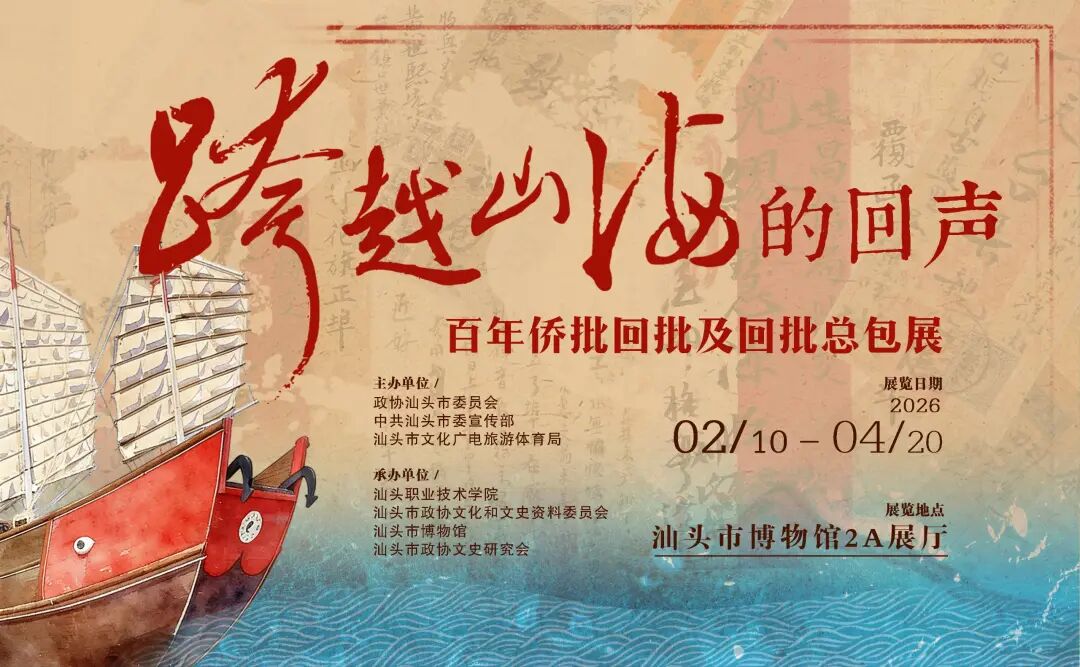
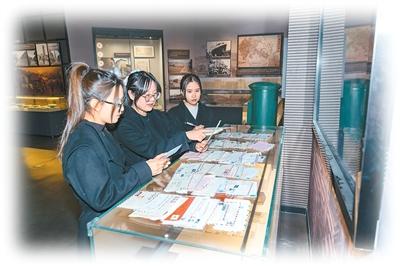
Core Viewpoint - The exhibition "Echoes Across Mountains and Seas: A Century of Overseas Chinese Remittance" in Shantou showcases the historical significance and cultural value of remittance documents, particularly focusing on the "return remittance" as a vital link between overseas Chinese and their homeland [1][5]. Group 1: Exhibition Overview - The exhibition features 302 valuable artifacts, including historical currency from the late Qing Dynasty to the People's Republic of China, showcasing the evolution of remittance practices and the global footprint of overseas Chinese communities [3]. - Artifacts include various remittance documents, seals, tools, certificates, and other significant items, with the oldest items dating back to 1852, providing a comprehensive view of the remittance industry's development [3][5]. Group 2: Cultural Significance - The "return remittance" serves as a testament to the emotional connections and memories of overseas Chinese, reflecting their ties to their homeland and the historical context of their migration [5][8]. - The exhibition aims to deepen the understanding of remittance culture and its academic significance, promoting the continuity of overseas Chinese culture and fostering community strength for local development [5][8]. Group 3: Historical Context - The remittance documents illustrate the migration history of Chinese people from the Song and Yuan dynasties to modern times, highlighting their emotional bonds with their hometowns and the broader narrative of global Chinese migration [8][18]. - The evolution of remittance practices is closely linked to historical changes in currency, from late Qing silver dollars to modern Chinese currency, reflecting the socio-economic conditions of different eras [22]. Group 4: Research and Academic Value - The exhibition provides important academic resources for the study of remittance culture, emphasizing the unique traditions and values of the Chaoshan people, such as family ethics and education [5][28]. - The remittance documents are seen as critical historical evidence of the development of the remittance industry and cross-border financial cooperation, underscoring their importance in the study of overseas Chinese history [25].

福建省档案馆“侨批馆沉浸式互动空间”正式对外开放
Zhong Guo Xin Wen Wang· 2026-01-09 02:28
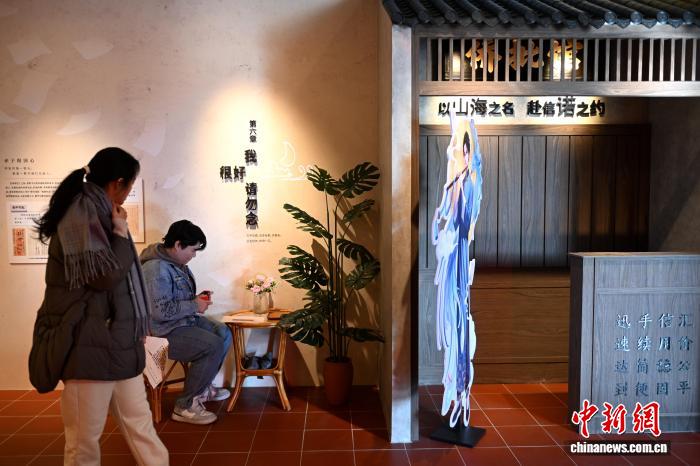
Core Viewpoint - The establishment of the "Overseas Chinese Letter Museum Immersive Interactive Space" aims to bring virtual IP into the physical realm and make the stories of overseas Chinese letters tangible and engaging for visitors [1]. Group 1: Museum and Archive Development - The Fujian Provincial Archives houses over 50,000 overseas Chinese letter archives and has been actively promoting their protection, research, and development [2]. - The newly created immersive experience space integrates exhibition, puzzle-solving, and interactive functions, divided into two thematic areas representing different eras and cultural styles [2]. Group 2: Interactive Experience and Engagement - Visitors can experience a time travel narrative between the past and present, engaging with the stories of overseas Chinese letters through a physical space that reflects both historical and contemporary elements [4]. - The museum has launched various projects around the original IP "Overseas Chinese Letter Museum," including immersive reading experiences and real-life puzzle-solving activities, which have garnered significant attention, especially from younger audiences [4]. Group 3: Future Plans and Community Engagement - The museum plans to host an exhibition titled "Overseas Chinese Letters: A Thousand Miles of Peace" before the Lunar New Year in 2026, further promoting the cultural significance of overseas Chinese letters [6].
一纸侨批牵万里(侨界关注)
Ren Min Ri Bao Hai Wai Ban· 2025-12-26 00:37
Core Viewpoint - The article highlights the significance of "Qiaobi" (overseas remittance letters) in connecting overseas Chinese with their hometowns, particularly in Fuzhou, Fujian Province, showcasing the emotional and economic impact of these letters on local communities and the development of the region [4][10]. Group 1: Historical Context and Significance - "Qiaobi" served as a vital communication link for overseas Chinese, often being the only means to connect with family back home, especially during times of war and economic hardship [10]. - The name "Lin Huarong" frequently appears in remittance letters, representing a special code used by the Bank of China in Fuzhou to facilitate safe transfers of funds from overseas Chinese to their families in China [7][9]. - The letters not only conveyed financial support but also expressed deep emotional ties and cultural identity, symbolizing the connection between overseas Chinese and their homeland [5][11]. Group 2: Economic Impact - The remittances sent through "Qiaobi" significantly contributed to the economic development of Fuzhou, helping to fund infrastructure projects, schools, and local businesses [11][12]. - Since the reform and opening up, the use of remittances has expanded from simple financial support to investments in industrial and educational projects, leading to the establishment of various development zones and industrial parks in Fuzhou [11][12]. - It is estimated that overseas Chinese have invested over $10 billion in Fuzhou, with contributions exceeding 4.6 billion RMB to public welfare projects [11][12]. Group 3: Cultural Legacy - The Fuzhou Overseas Chinese Museum serves as a cultural landmark, preserving the history and contributions of overseas Chinese, and continues to promote the stories of their struggles and achievements [12][13]. - The emotional legacy of "Qiaobi" persists, with newer generations of overseas Chinese maintaining their connection to their roots and contributing to local development [13][14]. - Recent initiatives, such as the establishment of the "Two Countries, Dual Parks" innovation center, reflect the ongoing commitment of overseas Chinese to support their hometowns and engage in national development strategies [14].
特殊的信,特别的情(创作谈)
Ren Min Ri Bao· 2025-12-10 22:30
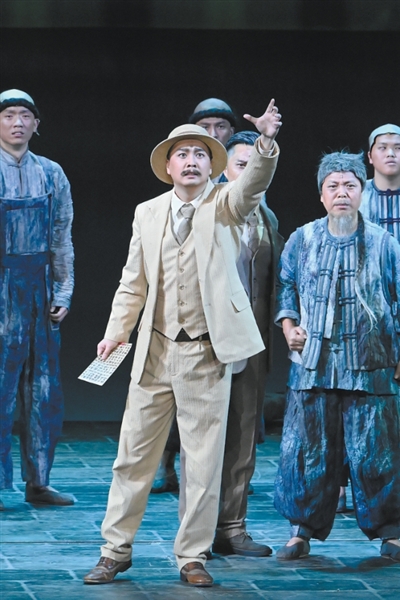
Core Perspective - The opera "Qiaopi" tells the poignant stories of overseas Chinese and their emotional connections to their homeland through the medium of letters and remittances, highlighting the historical significance and personal sacrifices involved in these communications [2][4]. Group 1: Historical Context - "Qiaopi," also known as "fanpi" or "silver letters," refers to letters sent by overseas Chinese to their families back home, encapsulating their struggles, entrepreneurial journeys, and deep-rooted patriotism [2]. - The letters often follow a standard format, revealing the emotional weight carried by the writers, who express care and longing for their loved ones despite being separated by vast distances [2][3]. Group 2: Narrative Structure - The opera's narrative centers around the character Liang Chengru, who learns of his family's dire situation and expresses his wish for his daughter to receive an education through a remittance, ultimately leading to tragic consequences [4]. - The story illustrates the role of the Qiaopi Bureau, which facilitated the delivery of funds and letters, often advancing money to ensure timely support for families in need, reflecting a commitment to integrity and community support [4][5]. Group 3: Artistic Elements - The opera incorporates elements of traditional Chinese poetry, drawing inspiration from classical works to enhance its emotional depth and cultural resonance [5]. - The use of repetitive phrases and poetic structures in the lyrics aims to reflect the characteristics of Chinese poetry, emphasizing the themes of longing and familial bonds [5].
汕头市未成年人思想道德建设成效显著
Zhong Guo Fa Zhan Wang· 2025-07-29 07:11
Core Viewpoint - Shantou City has made significant progress in the moral education of minors by implementing a comprehensive approach that emphasizes "moral education as the fundamental task" and promotes a new framework of "all personnel, all processes, and all aspects of education" [1][2][3] Group 1: Achievements in Moral Education - Shantou City has been recognized as a "National Civilized City" and has several schools awarded as "National Civilized Campuses," with a total of 6 national civilized campuses and 643 city-level civilized campuses, achieving a coverage rate of over 60% [1] - The city has cultivated a total of 191 exemplary youth, including 1 national-level, 16 provincial-level, and 174 city-level "New Era Good Youth," fostering a sense of mission among the youth [1][2] Group 2: Innovative Educational Practices - The city has developed the "Tuo City Big Ideological and Political Education" brand, conducting over 50 events and creating immersive experiences through red culture and local heritage [3][4] - Shantou has implemented a unique cultural project called "Overseas Chinese Letter Culture into Campus," engaging students in activities that promote national pride and cultural confidence [3][4] Group 3: Community and Parental Involvement - Shantou has established standardized parent committees in all 643 primary and secondary schools, promoting a collaborative approach to education between parents and schools [8] - The city has launched the "Family Education Lecturer Group," covering all communities and providing diverse educational resources for parents [8] Group 4: Psychological and Moral Support - A three-tiered psychological health protection network has been established, with over 500 volunteers trained and 800 psychological aid classes conducted, achieving a 100% success rate in crisis intervention [7][8] - The city has opened 40 patriotic education bases and 31 public cultural facilities for free access to minors, facilitating practical learning opportunities [7]
多种方式“解锁”,让侨批文化再“出圈”
Ren Min Ri Bao Hai Wai Ban· 2025-06-30 01:22
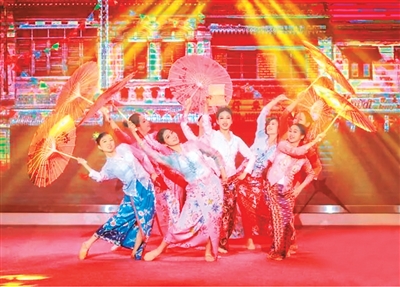
Group 1 - The core theme of the news revolves around the cultural significance and artistic representation of "Qiaopi" (overseas Chinese letters), highlighting various artistic works that narrate the stories behind these letters and their historical context [2][3]. - The play "Qiaopi Song" premiered at the China National Academy of Theatre Arts, showcasing the struggles and patriotism of overseas Chinese through traditional elements and local dialects, emphasizing the rich cultural heritage [2]. - The integration of traditional music with modern elements in the composition of the play reflects a contemporary approach to preserving and promoting traditional art forms [2]. Group 2 - Recent artistic works, including plays and documentaries, have emerged that focus on "Qiaopi" culture, engaging audiences with the emotional narratives of overseas Chinese [3]. - The documentary "Fenghuo Qiaopi" is set to begin filming in June, using archival materials to highlight the contributions of overseas Chinese during the Anti-Japanese War, showcasing their spirit of patriotism and resilience [3]. - Various exhibitions and activities aimed at preserving "Qiaopi" culture have gained popularity, indicating a renewed interest and engagement with this aspect of Chinese heritage [4][5]. Group 3 - The "Hundred Years of Cross-Border Letters - Fujian Qiaopi" exhibition features interactive experiences that utilize technology to bring archival materials to life, enhancing public engagement with "Qiaopi" culture [5]. - The Guangdong Provincial Archives will launch a "Qiaopi Reading Month" activity, encouraging public participation in reading and interpreting "Qiaopi" documents, thereby promoting cultural preservation [5]. - An exhibition titled "Memories of the War - National Sentiment in Qiaopi" has opened, featuring various activities that reflect the historical connection between overseas Chinese and their homeland during challenging times [5].