便携式电风扇

Search documents
江苏省苏州市市场监管局公布2025年便携式电风扇产品质量市级风险监测情况(第32期)
Zhong Guo Zhi Liang Xin Wen Wang· 2025-12-05 04:43
中国质量新闻网讯 近日,江苏省苏州市市场监管局网站公布2025年便携式电风扇产品质量市级风险监测情况(第32期)。 附原文: 2025年便携式电风扇产品质量市级风险监测情况公告(第32期) 根据《中华人民共和国产品质量法》、《产品质量风险监测管理暂行办法》、《江苏省省级产品质量监督抽查工作规范》、《江苏省产品质量安全风险监测 管理办法(试行)》和《中华人民共和国政府信息公开条例》等规定,2025年上半年,苏州市市场监督管理局委托苏州市产品质量监督检验院对便携式电风 扇产品实施了市级产品质量风险监测。有关情况公告如下: 一、产品概况和产业分布 (一)产品概况 便携式电风扇是一种轻便、易携带的小型电风扇,包括手持风扇、夹扇、颈扇、台扇等,辐射家居、办公、出行三大生活场景。此外,还有冷风扇、无叶 扇、循环扇等多种类型,满足消费者不同的使用需求。便携式电风扇其特点是体积小、重量轻、节能环保,尤其是在户外、旅行、办公室和睡眠环境中,许 多风扇设计轻便、可充电,便于携带和移动,一些便携风扇还采用了可折叠的设计,更加方便收纳和携带,近年来随着技术进步和消费升级,市场需求持续 增长,成为夏季降温的热门选择。 (二)产业分布 ...

游客行李箱变身“跨国贸易新载体”
Xiao Fei Ri Bao Wang· 2025-05-20 02:44
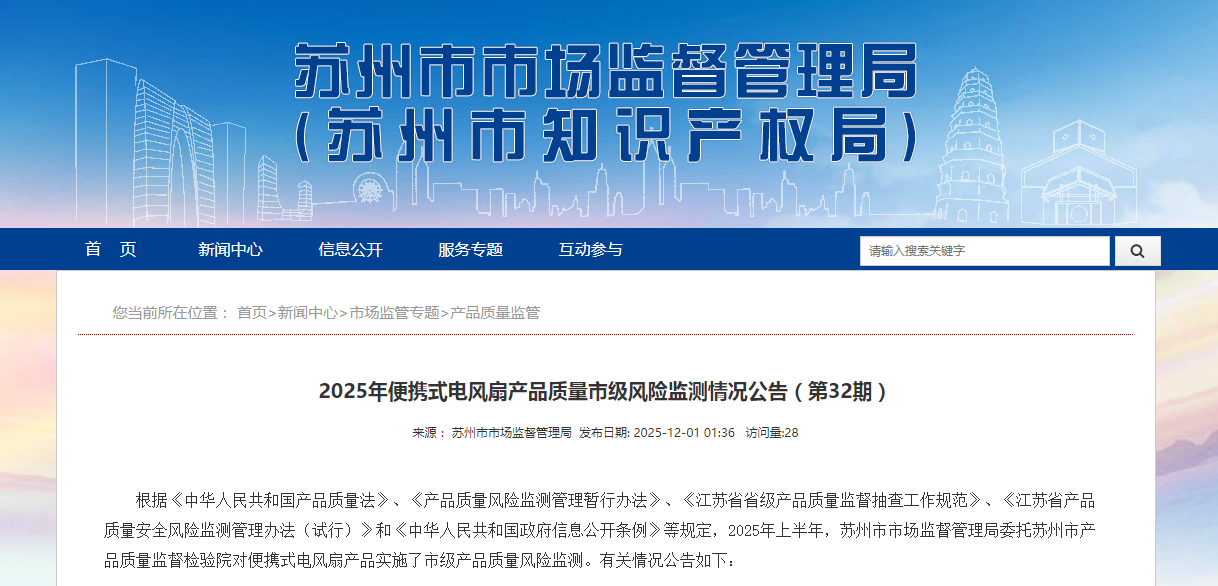
Core Viewpoint - The rise of "reverse purchasing" by international travelers reflects the global recognition of the competitiveness of Chinese manufacturing and signifies China's transition from being the "world's factory" to a "global market" [1] Group 1: Market Trends - International travelers are increasingly using their luggage as "mobile warehouses" to carry back Chinese-made products such as electronics, toys, and home goods for resale or personal use [2][4] - The TikTok trend "ChinaTravel" has garnered nearly 1 billion views, indicating a growing interest in shopping in China among foreign tourists [2] Group 2: Consumer Preferences - High-margin products like data cables, small appliances, and unique souvenirs are particularly favored by foreign consumers, with significant price differences compared to their home markets [5][4] - Tourists are purchasing a variety of items, including traditional crafts and modern gadgets, which serve both as souvenirs and practical goods [4][5] Group 3: Quality Perception - The perception of Chinese manufacturing has shifted from being seen as cheap to being recognized for quality, with improvements in design and material noted by consumers [7][9] - The trend of "reverse purchasing" highlights the dual recognition of Chinese manufacturing's cost-effectiveness and innovation in the international market [9] Group 4: Economic Impact - The "reverse purchasing" trend is driven by policy openness and manufacturing upgrades, injecting new vitality into the Chinese consumer market and showcasing the transition from "Made in China" to "Created in China" [9]