
债市宝

Search documents
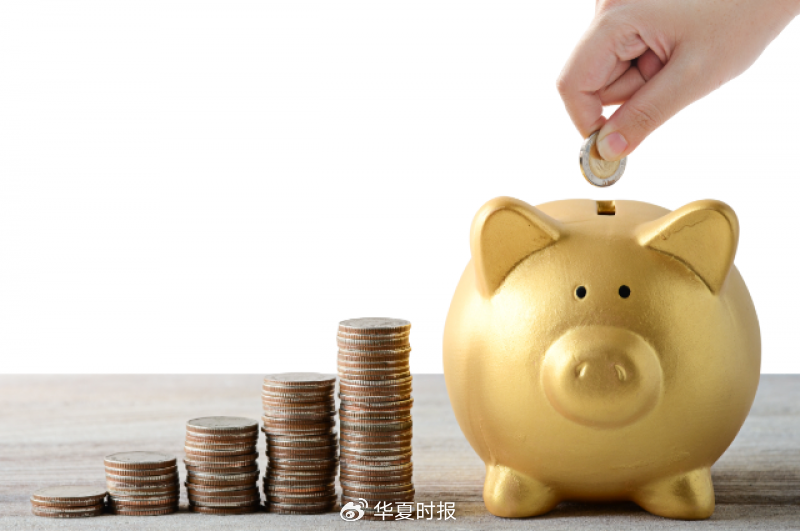
“年前取钱过年,年后存钱理财”,银行力推“资产配置礼”
Xin Lang Cai Jing· 2026-02-26 10:21
Core Insights - After the Spring Festival, banks are experiencing a surge in deposits as individuals and businesses return funds to the banking system, creating a significant growth period for deposits [2][10] - To capitalize on this influx, many banks are shifting their marketing strategies from traditional deposit attraction to asset management, launching campaigns like "Asset Allocation Gifts" to enhance retail AUM (Assets Under Management) [2][5] Group 1: Marketing Strategies - Recent marketing activities by banks focus on "asset allocation" rather than solely increasing deposit interest rates, with various banks offering rewards linked to the increase in financial assets held by customers [3][11] - For example, Ping An Bank's "Asset Allocation Surprise" campaign rewards customers for increasing their holdings of recommended financial products within a week [3][11] - Agricultural Bank of China's "Asset Enhancement Gift" program incentivizes customers to increase their average financial assets, with rewards based on the amount of increase [4][12] Group 2: Industry Trends - The first quarter is viewed as a critical period for banks to achieve strong performance for the year, leading to a preference for "asset allocation gifts" over simple interest rate hikes due to the low and declining deposit rates [5][13] - The shift towards asset management is driven by the need to enhance non-interest income and to adapt to the challenges posed by market interest rate liberalization [6][14] - Banks are increasingly focusing on retail AUM as a strategy to deepen customer relationships and prevent funds from flowing to other financial institutions or capital markets [6][14] Group 3: Customer Engagement - Banks face the challenge of retaining funds after promotional activities end, emphasizing the need for long-term customer relationship management rather than short-term marketing tactics [7][15] - Recommendations for banks include enhancing the professionalism of asset allocation services, improving customer education, and developing a tiered customer management system to provide differentiated products and services [7][15] - Strengthening digital operations and focusing on brand reputation are also crucial for maintaining customer loyalty beyond promotional incentives [7][15]




农业银行发布2025年底和2026年债市宝业务节假日休市安排通知
Jin Tou Wang· 2025-12-25 03:59
Summary of Key Points Core Viewpoint - The announcement by Agricultural Bank of China outlines the holiday market closure schedule for the bond market in 2026, as per the State Council's notification regarding holiday arrangements. Group 1: New Year Holiday - The bond market will be closed for four days from December 31, 2025, to January 3, 2026, and will resume normal operations on January 4, 2026 [1] Group 2: Spring Festival - The market will be closed for ten days from February 14 to February 23, 2026, with normal operations resuming on February 28, 2026 [2] Group 3: Qingming Festival - The bond market will be closed for four days from April 3 to April 6, 2026 [3] Group 4: Labor Day - The market will be closed for six days from April 30 to May 5, 2026, and will resume normal operations on May 9, 2026 [4] Group 5: Dragon Boat Festival - The bond market will be closed for four days from June 18 to June 21, 2026 [5] Group 6: Mid-Autumn Festival - The market will be closed for four days from September 24 to September 27, 2026 [6] Group 7: National Day - The bond market will be closed for eight days from September 30 to October 7, 2026, with normal operations on September 20 and October 10, 2026 [7]