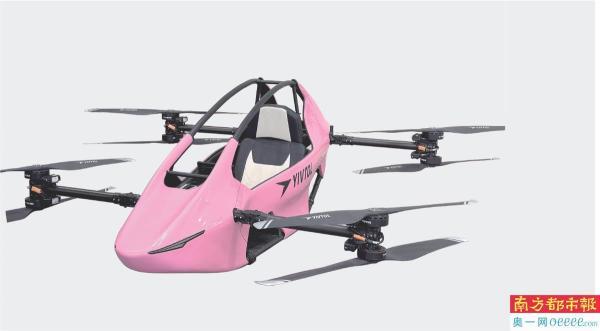
倾转旋翼无人机

Search documents
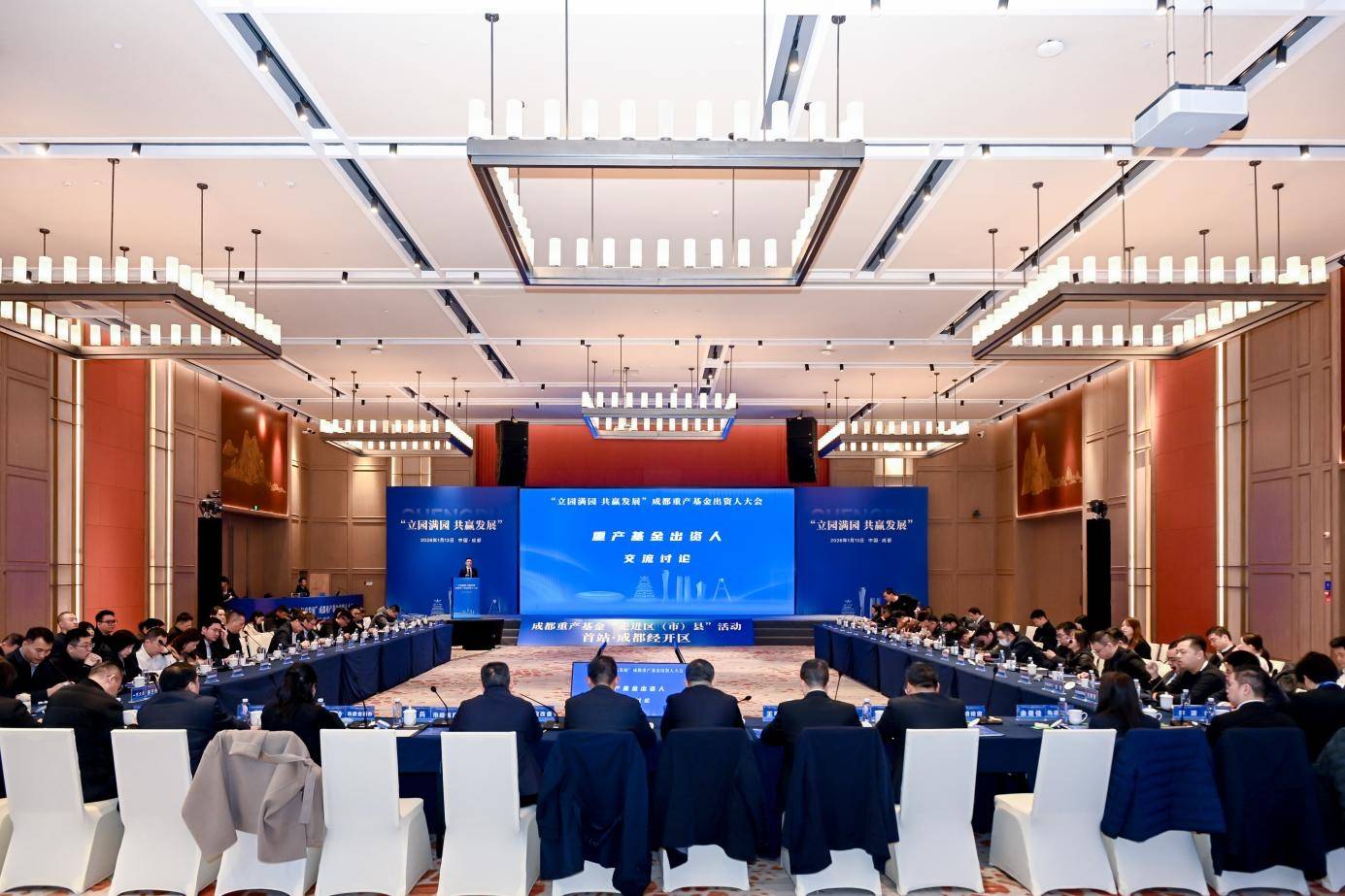
筑牢“立园满园”实景!成都重产基金出资人大会举行 开启走进区(市)县系列活动
Sou Hu Cai Jing· 2026-01-14 11:12
Core Insights - The Chengdu Major Industrialization Project Investment Fund (Chengdu Heavy Industry Fund) held its inaugural investor conference, focusing on the theme "Building Parks and Achieving Win-Win Development" [1] - The conference served as a summary of the fund's operational achievements over the past year and a re-mobilization for further industrial consensus and action [1] Group 1: Fund Operations and Achievements - Chengdu Heavy Industry Fund has established a mother-son fund group exceeding 640 billion yuan, attracting total project investments of nearly 210 billion yuan [3] - The fund's "capital attraction" strategy has significantly impacted the industrial landscape, exemplified by the successful landing of the 63 billion yuan BOE B16 project, the largest single industrial project in Sichuan [3] - The fund is transitioning into a builder of industrial ecosystems, linking government, parks, and enterprises, addressing funding gaps, and integrating upstream and downstream resources [3] Group 2: Regional Development and Industry Focus - The "Building Parks and Achieving Win-Win" initiative emphasizes the importance of project implementation at the district level to form industrial clusters [4] - The fund has invested 10 billion yuan in the Jetta project in Chengdu, aiming to create a world-class brand and fill the gap of passenger car headquarters in the region [4] - The fund's investment strategy is characterized by a "one district, one main industry" approach, with significant investments in aerospace, electronic information, and future industries [5][6] Group 3: Future Outlook - Chengdu Heavy Industry Fund plans to continue its "patient capital" philosophy, enhancing brand influence and focusing on future industries such as commercial aerospace and advanced nuclear energy [6] - The fund aims to identify more key projects and leading enterprises to further promote high-quality development in Chengdu [6]

逾万家粤企“抢飞”低空市场万亿风口
Nan Fang Du Shi Bao· 2025-12-16 23:07
Core Viewpoint - The low-altitude economy is poised to reshape the three-dimensional transportation landscape, becoming the next trillion-dollar industry following electric vehicles, as highlighted by Professor Xie Shengli from Guangdong University of Technology [5]. Industry Overview - The 2025 International Low Altitude Economy Trade Expo in Guangzhou attracted over 350 enterprises, showcasing the entire low-altitude industry chain from upstream materials to core components and application scenarios [5][6]. - The event reflects the robust vitality of Guangdong's low-altitude economy, which is supported by national strategies that have integrated low-altitude economic development into government planning since 2021 [6]. Market Potential - By 2035, China's low-altitude economy market is expected to reach 3.5 trillion yuan, with key regions including the Guangdong-Hong Kong-Macao Greater Bay Area and the Yangtze River Delta [7]. - As of the end of 2024, the number of registered traditional general aviation aircraft in China is projected to be 3,232, while the number of registered drones is expected to reach 2.177 million, with drone flight hours surpassing 26.67 million, significantly outpacing traditional aviation [7]. Regional Advantages - Guangdong is home to over 15,000 low-altitude economy enterprises, accounting for more than 30% of the national total, and is expected to surpass 180 billion yuan in low-altitude economic output in 2024 [8]. - The region leads globally in the drone sector, with consumer drones making up 70% of global production and industrial drones 50% [8]. Challenges and Responses - The low-altitude economy faces challenges such as underdeveloped high-value application scenarios and stringent airspace management, which hinder the realization of its full potential [10]. - Energy supply is a critical challenge, particularly regarding battery technology that meets the high power output requirements for vertical takeoff and landing [11]. - Guangdong is proactively addressing these challenges by optimizing airspace management and focusing on key technological advancements through collaborative efforts among government, academia, and industry [11][12].