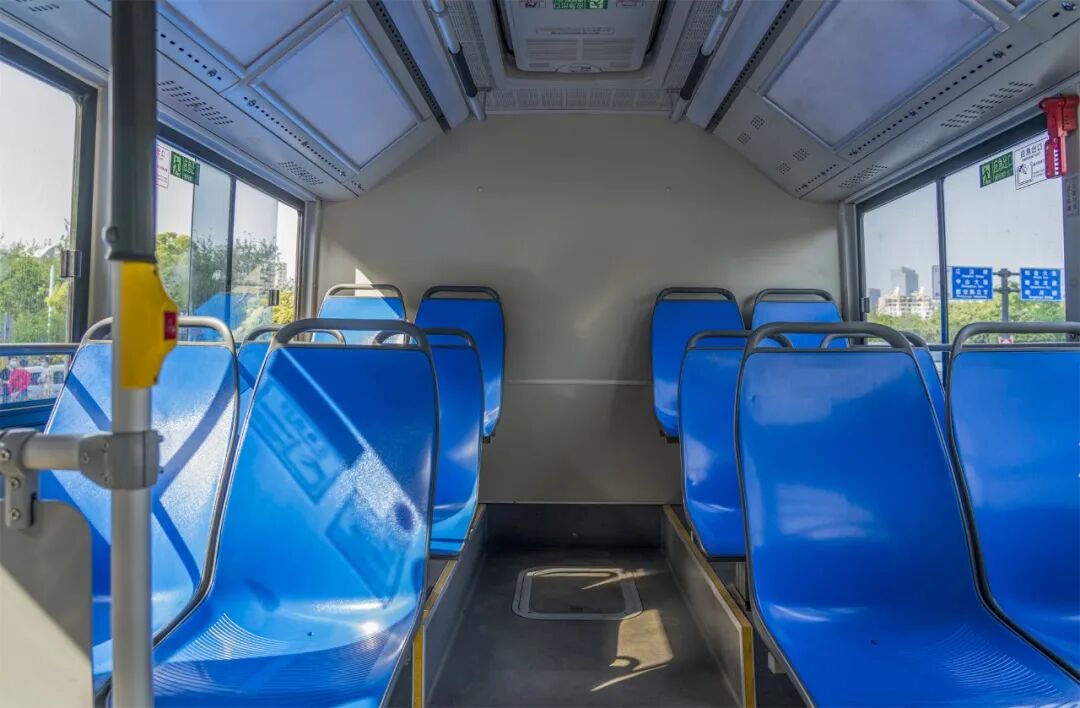
免费公交服务

Search documents
不止“尔滨”和三亚,这些城市竞相发力“春节经济”
Xin Jing Bao· 2026-02-10 02:05
Core Insights - The Spring Festival has become a significant driver of economic activity in China's tourism sector, with a notable increase in domestic travel and spending during this period [1][2] - The trend of "Spring Festival economy" reflects a shift in consumer behavior, with more people opting for diverse travel experiences, including international trips, family gatherings, and short-distance travel [1][4] Group 1: Tourism Growth and Trends - In 2023, domestic travel during the Spring Festival exceeded 300 million trips, generating over 370 billion yuan in tourism revenue [1] - By 2024, domestic travel surged to 470 million trips, with tourism revenue surpassing 630 billion yuan, indicating a recovery and growth beyond pre-pandemic levels [2] - Projections for 2025 suggest that domestic travel will exceed 500 million trips, marking a stable growth phase for the Spring Festival tourism market [2] Group 2: Popular Destinations - Major cities like Beijing, Shanghai, and Guangzhou consistently rank among the top destinations for Spring Festival travel, driven by cultural attractions and urban experiences [3][4] - Emerging cities such as Harbin have gained popularity due to unique offerings like ice and snow tourism, showcasing a shift in competitive dynamics among traditional tourist cities [4][5] - Smaller cities and regions are experiencing significant growth in tourism, with many reporting higher booking rates and increased local tourism activities during the Spring Festival [6][7] Group 3: Changing Competitive Landscape - The competition among cities is evolving from merely attracting visitors to understanding why tourists choose specific destinations [2][4] - Cities are increasingly focusing on enhancing visitor experiences through cultural events, local traditions, and unique attractions, moving beyond traditional resource-based competition [7][8] - The rise of non-traditional tourist cities indicates a diversification of the tourism market, with smaller cities leveraging local culture and heritage to attract visitors [6][7] Group 4: Marketing and Engagement Strategies - Cities are implementing various strategies to enhance visitor engagement, including cultural experiences, public transport incentives, and promotional activities [8][9] - Initiatives such as free public transport and tourism vouchers are becoming standard practices to lower barriers for visitors and enhance their overall experience [9][10] - Collaborative marketing efforts between neighboring cities are emerging, allowing for cross-promotion and shared benefits in attracting tourists [10]
公交免费背后藏着什么运营逻辑?
Zhong Guo Qi Che Bao Wang· 2026-01-09 02:10
Core Viewpoint - The implementation of free public transportation in various cities reflects a growing trend aimed at optimizing public services and promoting green travel, despite concerns about sustainability and operational costs [4][11]. Group 1: Free Public Transportation Initiatives - Cities like Wuxue in Hubei and Zhuoerqi in Inner Mongolia have recently announced free public transportation, with Wuxue being the first in the province to implement this policy [3]. - As of now, 18 counties in Shanxi have adopted full free public transportation, with 24 more counties offering free services in main urban areas, indicating government recognition of the policy's benefits [4]. - The free public transport initiative is seen as a way to reduce commuting costs for low-income groups and enhance public transport's appeal [5][6]. Group 2: Benefits of Free Public Transportation - The primary goals of free public transport include reducing the financial burden on citizens, particularly benefiting low-income commuters, and promoting green travel to alleviate congestion and pollution [5][6]. - Free public transport has shown to significantly increase ridership; for instance, in Lüliang, daily ridership rose from 37,000 to 100,000 after implementing free services [8]. - The policy also contributes to environmental improvements, with reductions in nitrogen dioxide and carbon monoxide levels reported in areas with free public transport [8]. Group 3: Challenges and Sustainability Concerns - Despite the benefits, there are concerns regarding the sustainability of free public transport, as operational costs remain high and often rely on government subsidies [11][12]. - The balance between the public service aspect and the financial viability of public transport systems is a critical issue, as many operators face financial strain due to insufficient subsidies [11][13]. - The potential for increased ridership raises questions about whether existing capacity can meet demand, highlighting the need for a stable funding mechanism beyond local government support [12][13].