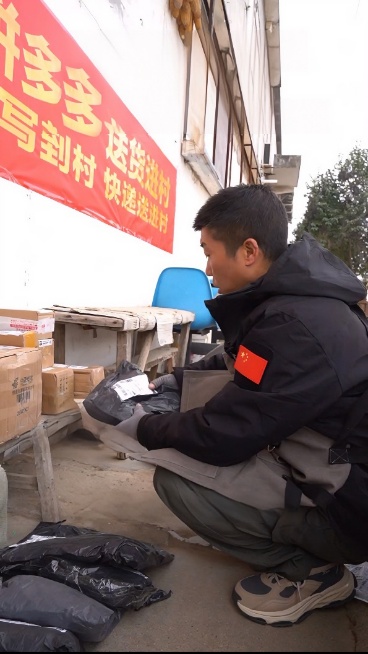
免费送货入村服务

Search documents
村里的小卖部,装下了拼多多
36氪· 2026-03-13 09:55
Core Viewpoint - The article discusses the implementation of Pinduoduo's "free delivery to villages" initiative, which aims to bridge the logistics gap in rural areas, enhancing access to e-commerce for villagers and improving their shopping experience [8][34][51]. Group 1: Impact on Rural Logistics - The introduction of Pinduoduo's service has significantly improved the logistics situation in rural areas, allowing villagers to receive goods directly at their doorsteps, which was previously a major inconvenience [5][10][34]. - Villagers are now able to purchase a wide variety of goods online, including agricultural supplies and daily necessities, which were difficult to obtain before [4][5][52]. - The service has led to a surge in online shopping among rural residents, with many expressing a newfound willingness to buy more items due to the convenience of delivery [6][55]. Group 2: Challenges and Solutions - Historically, delivering goods to rural areas has been fraught with challenges, including high logistics costs and low willingness from merchants to deliver [10][12]. - Pinduoduo addresses these challenges by covering the costs of secondary transportation from county-level warehouses to village collection points, thus incentivizing local logistics providers [16][36]. - The initiative has also leveraged existing networks from Pinduoduo's "Duoduo Grocery" service, allowing for efficient routing and delivery [17][19]. Group 3: Community Engagement and Local Impact - Local entrepreneurs, such as logistics operators and shop owners, have become integral to the success of the delivery service, often taking on roles as village point managers [21][45]. - The program has not only improved access to goods but has also created new employment opportunities for local residents, including marginalized groups [47][56]. - The initiative has fostered a sense of community, with villagers actively participating in the logistics process and supporting local businesses [47][56]. Group 4: Broader Implications - Pinduoduo's efforts align with national policies aimed at enhancing rural logistics and e-commerce accessibility, reflecting a commitment to reducing inequality in consumer access [35][39]. - The program is seen as a significant step towards integrating rural areas into the broader e-commerce ecosystem, potentially transforming the economic landscape of these communities [51][57].


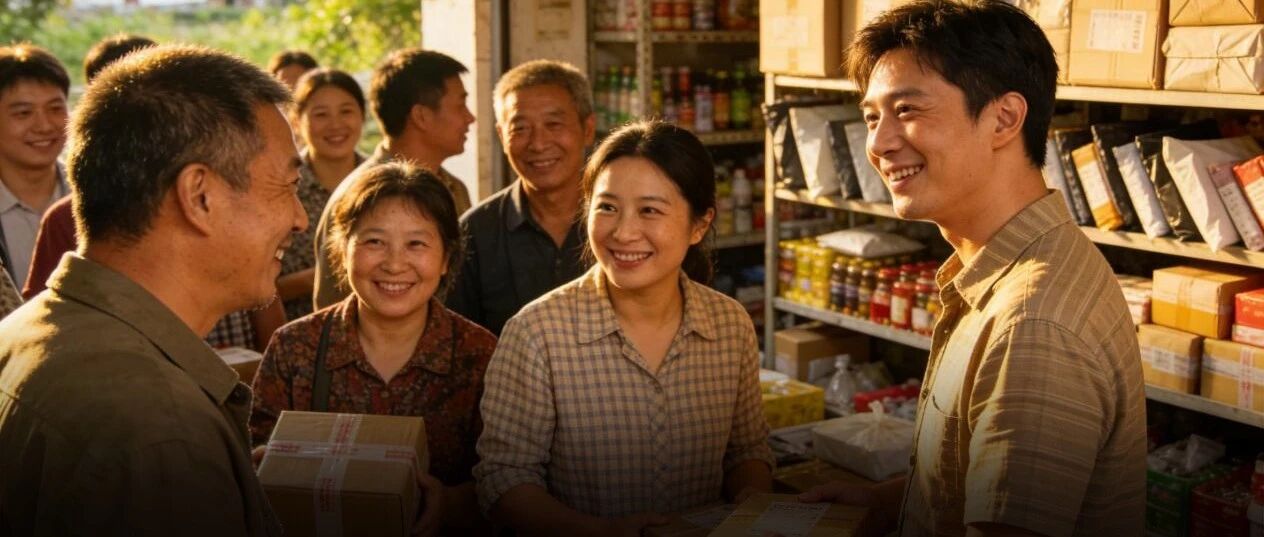
拼多多“兜底”快递进村中转费 偏远乡村加速进入“包邮区”
Xin Lang Cai Jing· 2026-02-26 07:07
Core Viewpoint - The article highlights the significant transformation in rural consumption patterns in China, driven by the implementation of the "free delivery to villages" service by Pinduoduo, which has enhanced accessibility to goods and services for rural residents, especially during the 2026 Spring Festival [1][2][4]. Group 1: Rural Consumption Trends - The Spring Festival serves as a crucial consumption peak, reflecting the real changes in China's economy, with online ordering and local pickup becoming common practices in rural areas [1][2]. - Rural residents are increasingly purchasing a variety of goods online, including seasonal items like fruits and clothing, facilitated by improved logistics [6][7]. Group 2: Pinduoduo's Initiatives - Pinduoduo has initiated a "free delivery to villages" service, which began in late 2025, to address high logistics costs and improve the shopping experience for rural consumers [2][4][11]. - The service includes the establishment of county-level transfer warehouses and village collection points, significantly enhancing the logistics network in rural areas [2][4][27]. Group 3: Economic Impact - In 2025, rural retail sales exceeded 6.82 trillion yuan, with a growth rate of 4.1%, outpacing urban growth by 0.5 percentage points, indicating a robust rural consumption market [14][27]. - The rural online retail market surpassed 3 trillion yuan for the first time, growing by 6.7%, showcasing the resilience and potential of rural markets in China's consumption landscape [14][27]. Group 4: Consumer Behavior Changes - The convenience of receiving packages at local collection points has led to a significant increase in online orders, with some rural stores reporting daily package volumes exceeding 80 [21][22]. - The shift in purchasing behavior allows residents to buy goods as needed rather than in bulk, reducing the pressure of seasonal shopping [21][22].
拼多多“千亿扶持”推动包裹入村 中转费由平台承担
Jin Rong Jie· 2026-02-26 03:32
Core Viewpoint - The implementation of "free delivery to villages" by Pinduoduo is transforming rural consumption patterns, making online shopping more accessible and convenient for villagers, especially during the 2026 Spring Festival [2][4][12]. Group 1: Impact on Rural Consumption - The Spring Festival is a significant consumption peak in China, reflecting real changes in the economy, with online shopping becoming a daily routine in rural areas [1]. - Villagers are increasingly using online platforms for purchasing goods, with reports of daily package volumes rising significantly, such as from a few dozen to over a hundred during the festive season [6][8]. - The convenience of receiving packages at village collection points has led to a surge in purchases, with villagers now able to order items that were previously unavailable locally [5][9]. Group 2: Infrastructure Development - Pinduoduo has established a logistics network that includes county-level transfer warehouses and village collection points, addressing high delivery costs and low merchant willingness to ship to remote areas [2][4]. - The "free delivery to villages" initiative is part of a broader strategy to enhance rural logistics and is aligned with national policies aimed at improving rural infrastructure and e-commerce integration [4][11]. - The program has been successful in integrating various logistics providers, allowing for efficient distribution of goods to rural areas, as seen in regions like Fufeng County, where daily package handling has exceeded a hundred [12]. Group 3: Economic Growth and Trends - Data indicates that rural retail sales exceeded 6.82 trillion yuan in 2025, with a growth rate surpassing urban areas, highlighting the resilience and potential of the rural market [12]. - The online retail sales in rural areas surpassed 3 trillion yuan for the first time, showing a significant increase in e-commerce adoption among rural consumers [12]. - The shift towards online shopping is reshaping consumption habits and commercial ecosystems in rural China, making it a vital area for future economic growth [12].