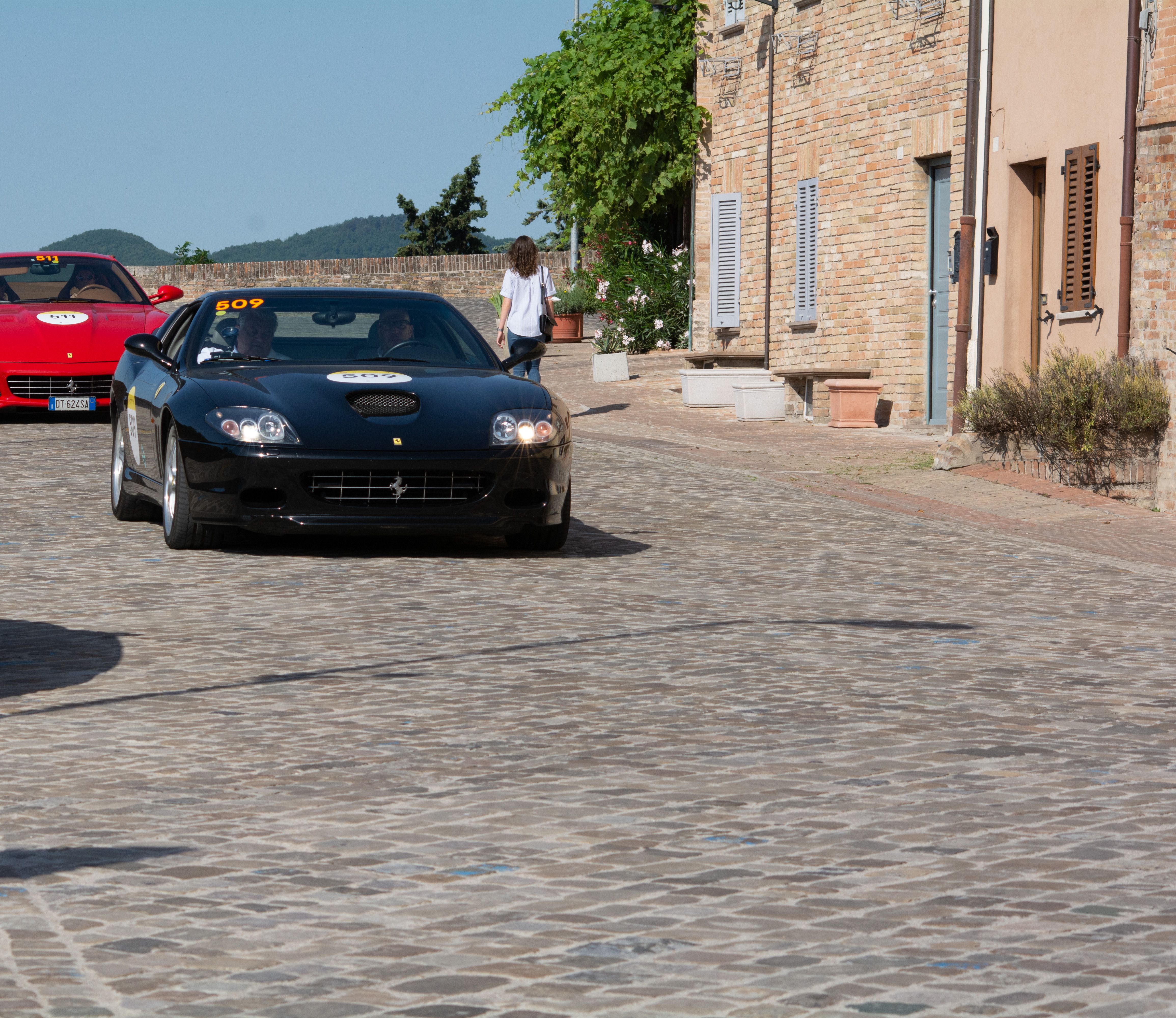
兰博基尼Huracan

Search documents
品牌世界驰名长盛不衰,为何这一地成就“跑车王国”?
Zhong Guo Qi Che Bao Wang· 2026-01-09 07:44
Core Viewpoint - Italy is renowned for its prestigious sports car brands, which have thrived due to a combination of historical significance, craftsmanship, and a unique production model that emphasizes quality over quantity [4][9][10]. Group 1: Historical Significance and Brand Development - Italy's automotive industry includes iconic brands such as Ferrari, Lamborghini, Maserati, Pagani, and Alfa Romeo, each with a rich history and unique characteristics [5][6][7]. - Ferrari, founded in 1929, initially focused on Formula 1 racing before expanding into road cars, achieving a record delivery of 7,195 new cars in 2011, solidifying its status in the global market [5]. - Lamborghini, established in 1963, faced bankruptcy in the 1980s but was revitalized under Audi's ownership, producing high-performance models like the Aventador SVJ and Huracan [6]. - Maserati, since its inception in 1914, has been synonymous with luxury and craftsmanship, competing closely with Ferrari [6]. Group 2: Production Model and Craftsmanship - The Italian automotive industry is characterized by a "small and beautiful" production model, focusing on handcrafted vehicles that offer personalized services to customers [9][10]. - Ferrari's production line in Maranello exemplifies this approach, with a daily output of 20 cars, emphasizing quality and meticulous attention to detail [9]. - Pagani produces only about 40 units of its Huayra model annually, showcasing the brand's commitment to craftsmanship and exclusivity [9]. Group 3: Cultural Impact and Market Position - The culture of racing in Italy intertwines with art, making Italian sports cars not just vehicles but expressions of passion and creativity [11][12]. - The unique Italian approach to automotive design and engineering has positioned these brands as luxury collectibles, appealing to a niche market of affluent consumers who value exclusivity and craftsmanship [10][12]. - The emotional connection to speed and performance in Italian racing culture enhances the allure of these brands, making them symbols of aspiration and achievement [11][12].


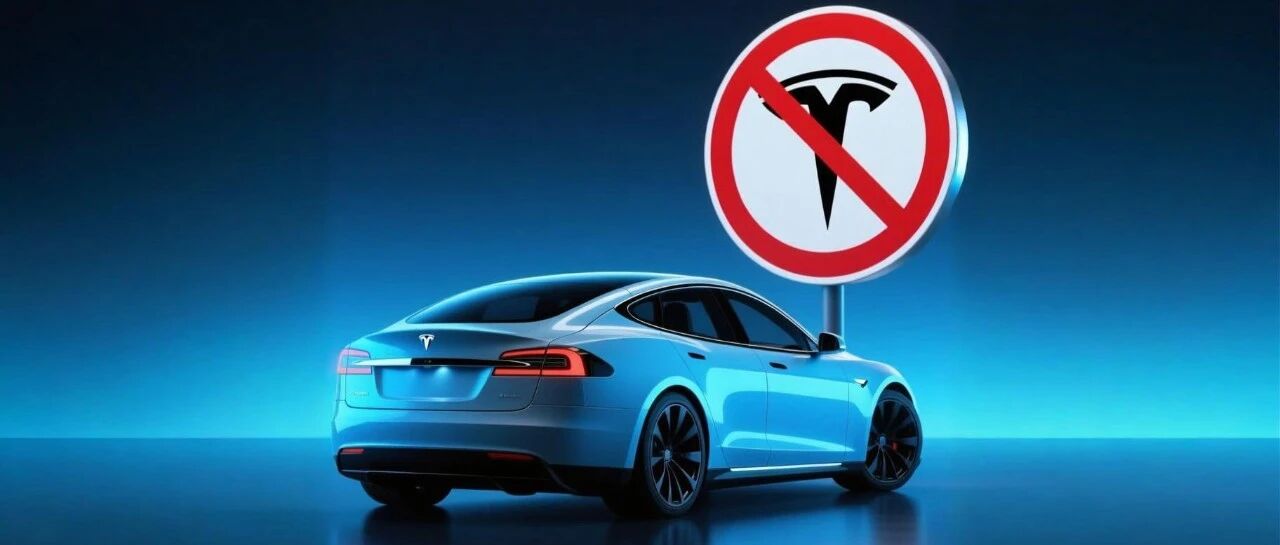
特斯拉被禁、新势力躺枪、燃油车未能幸免?!新国标要重拳出击了?
电动车公社· 2025-11-16 00:05
Core Viewpoint - The recent draft of the "Technical Conditions for Motor Vehicle Operation Safety" proposed by the Ministry of Public Security has sparked significant discussion in the automotive industry, particularly regarding its implications for the design and performance of electric vehicles and traditional cars [1][2]. Summary by Sections Regulations Impacting Vehicle Design - The draft includes mandatory national standards that, if not met, will prohibit the sale of vehicles. Key regulations target unreasonable designs in electric vehicles, affecting brands from Tesla to traditional manufacturers [2]. - Specific requirements include maintaining mechanical emergency structures for doors, mandatory physical controls for various functions, and restrictions on screen usage while driving [3][4]. Public Reaction and Debate - The regulation mandating a default acceleration time of over 5 seconds for vehicles has generated mixed reactions. Supporters argue it enhances safety, while opponents believe it restricts vehicle performance and could hinder the growth of the electric vehicle sector [6][7]. Global Perspectives on Road Safety Regulations - The article explores how different countries manage road safety. For instance, in the UK, insurance companies play a crucial role in regulating vehicle performance through pricing models based on various risk factors [8][10]. - Australia employs a tiered licensing system to ensure drivers gain experience before operating high-performance vehicles, reflecting a structured approach to driver capability [17][21]. - Japan's "gentlemen's agreement" among manufacturers historically limited vehicle performance to enhance safety, demonstrating a unique industry self-regulation approach [32][35]. Future Considerations - The draft regulations may signify the beginning of a more structured approach to vehicle performance and safety in the industry, rather than a blanket restriction on high-performance vehicles. The potential for a tiered licensing system or vehicle classification based on performance is suggested as a way to balance safety and technological advancement [51][58].