
养老保险产品

Search documents
瞭望丨强化应对老龄化四种思维
Xin Lang Cai Jing· 2026-01-18 11:09
Core Viewpoint - The article emphasizes the need for a comprehensive and multi-faceted approach to address the challenges posed by an aging population in China, advocating for the establishment of national technology projects related to elderly care services to foster the development of the silver economy [1][17]. Resource Allocation Thinking - There is a pressing need to enhance the precision of financial support, social resource coordination, and human resource supply to effectively address the challenges of an aging population [4][20]. - A structured funding system should be established to ensure that financial resources are directed towards vulnerable groups such as disabled, rural, and impoverished elderly individuals [5][20]. - Performance management should be implemented to ensure the efficient use of financial resources, preventing waste or misallocation [5]. Social Resource Coordination - A comprehensive coordination mechanism should be established to integrate medical and elderly care resources, promoting the development of basic elderly care services alongside public health services [6][21]. - A three-tier elderly care service network should be developed at the county level to facilitate resource sharing and allocation [6][21]. - The establishment of an elderly care industry development fund is recommended to attract social capital for the construction of elderly care facilities [6][21]. Talent Development - There is a significant shortage of professional talent in elderly care services, particularly in areas such as disability care and smart elderly care [7][22]. - A unified assessment and training system should be established to enhance the quality and quantity of the elderly care workforce [7][22]. - Initiatives should be taken to promote cross-sector talent mobility and to develop community volunteer services to support elderly care [7][22]. New Quality Productivity Thinking - The development of the silver economy should focus on high-quality products and services, necessitating the establishment of national technology projects in elderly care [8][23]. - An innovation ecosystem for elderly care technology should be constructed to address the challenges of an aging society [8][23]. - The integration of smart technologies into elderly care services is essential to improve the quality of life for the elderly and alleviate the pressure on family caregivers [9][24]. Policy Supply Thinking - The approach to aging should shift from a singular response to a comprehensive and collaborative strategy, necessitating improvements in policy supply [12][27]. - Family support policies should be strengthened to enhance home-based elderly care, providing necessary resources and training for family caregivers [12][27]. - Health management should be prioritized to reduce the healthcare burden associated with aging, promoting preventive medicine and health education [13][28]. Project-Driven Thinking - The current framework for aging work requires further development in social participation and community engagement [30]. - Initiatives should be launched to promote respect for the elderly and to enhance community support for elderly individuals [30][15]. - The integration of elderly-friendly concepts into social governance is crucial for creating supportive environments for the elderly [31].


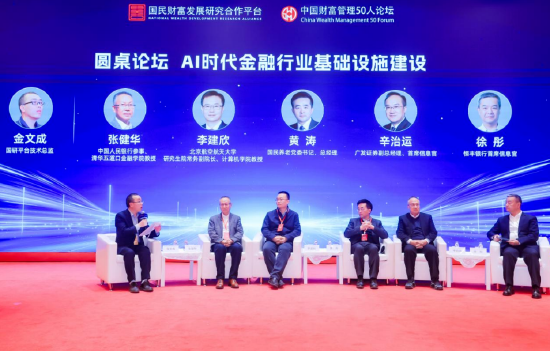
国民养老黄涛:AI可扩大养老金融生产可能性边界 已推出自研模型赋能规划与精算
Xin Lang Cai Jing· 2026-01-05 09:08
Core Viewpoint - The China Wealth Management 50 Forum 2025 Annual Meeting emphasizes the theme of "Building a Financial Power in the 14th Five-Year Plan" and discusses the role of AI in enhancing the financial infrastructure of the pension industry [1][3]. Group 1: AI in Pension Finance - AI can expand the possibilities of pension financial production, addressing five key issues: demand, products, service, value, and sentiment in pension insurance [1][3]. - National Pension utilizes AI technology to analyze pension financial needs, develop pension insurance products, and improve service quality [1][3]. - Collaborations with relevant manufacturers have led to the development of proprietary AI models, which include pension planning that goes beyond standalone pension products and enhancements in actuarial efficiency through AI [1][3].
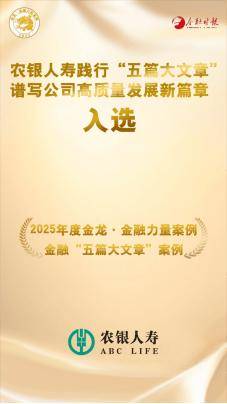
农银人寿入选2025年度金龙·金融力量 “五篇大文章”案例
Sou Hu Cai Jing· 2025-12-31 03:22
Core Viewpoint - Agricultural Bank of China Life Insurance (ABC Life) has been recognized for its comprehensive strategic layout and innovative practices in response to regulatory calls, focusing on five key areas: technology finance, green finance, inclusive finance, pension finance, and digital finance, showcasing significant achievements in supporting national strategies and promoting high-quality industry development [3][4][5] Group 1: Pension Finance - The company is building a pension service system characterized by "one optimization, one strengthening, and one stabilization," focusing on enhancing the supply of pension insurance products, strengthening service guarantees, and stabilizing asset management [3][4] - ABC Life aims to address the growing demand for diverse and personalized pension services through product innovation and service extension [4] Group 2: Inclusive Finance - The company emphasizes serving the "three rural issues" (agriculture, rural areas, and farmers) by establishing a dedicated product system and offering inclusive products for small and micro enterprises and new citizens [3][4] - ABC Life is enhancing the accessibility of financial services for underserved groups through a combination of online and offline service delivery [4] Group 3: Digital Finance - The company is implementing a "three-in-one" project to improve network security and overall business capabilities, launching six major digital transformation initiatives to create a comprehensive data platform [3][5] - ABC Life is leveraging artificial intelligence technology to significantly enhance service efficiency and customer experience [3][6] Group 4: Green and Technology Finance - ABC Life is increasing investments in technology innovation bonds and green financial products, introducing innovative products like "Hui Ke Bao" to provide risk protection for employees in technology and green industries [3][5] - The company is effectively guiding insurance funds into key national sectors through precise investment strategies and innovative insurance products [5] Group 5: Strategic Integration - As a subsidiary of Agricultural Bank of China, ABC Life integrates deeply with the parent bank's strategy, creating synergies in customer resources, service scenarios, and asset allocation [6] - The company is embedding insurance services into the existing inclusive financial service network of the bank, effectively supporting rural revitalization strategies [6][7]
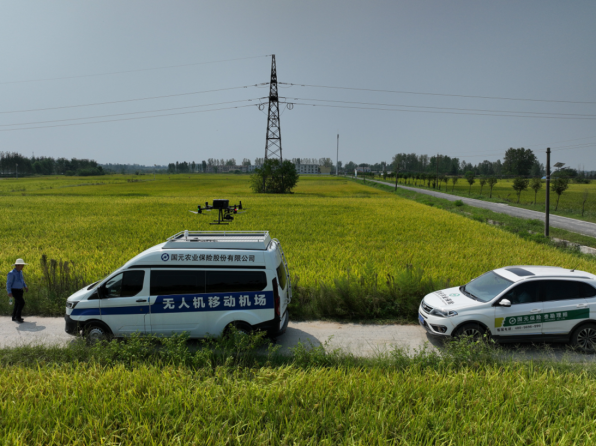
国元保险河南分公司:农险服务提质升级 助力“三农”稳发展
Zhong Guo Jin Rong Xin Xi Wang· 2025-11-04 11:49
Core Viewpoint - Guoyuan Insurance's Henan branch has demonstrated significant achievements in supporting agricultural development and rural revitalization through innovative insurance products and efficient claims services, particularly in response to adverse weather conditions [1][3]. Group 1: Agricultural Insurance Services - The company has implemented emergency plans and established special working groups to efficiently conduct claims assessments and payouts in response to adverse weather, such as the "rotten field rain" in 2023 and the combined drought and rain in 2025, with total advance payments reaching 68.45 million yuan [1]. - Guoyuan Insurance has developed a "heaven, air, and ground" integrated inspection system using satellite remote sensing and drone aerial photography to enhance underwriting precision, claims efficiency, and digital management [1][3]. - The company has launched innovative agricultural insurance products, including price and feed cost insurance for pigs, corn, soybeans, and peanuts, utilizing the price risk hedging function of futures to mitigate market price volatility [3]. Group 2: Financial and Technological Innovations - Since 2021, the company has provided over 5 billion yuan in ecological risk protection through green finance products like forest and carbon sink insurance, and has offered agricultural production risk protection totaling 24.761 billion yuan to 2.9858 million farming households [3]. - The company has established a rural insurance big data center and optimized mobile service platforms to enhance risk control and service levels, promoting intelligent and transparent agricultural insurance services [3]. - Guoyuan Insurance has actively developed pension insurance products to support the construction of a multi-tiered pension security system [3]. Group 3: Community Engagement and Support - The company organizes agricultural technology expert teams and volunteer service teams to provide knowledge dissemination, technical training, disaster reduction, and material donations during critical farming periods [4]. - Guoyuan Insurance offers 24/7 service to clients during adverse weather events to ensure smooth claims processing [4]. - The company has established 216 township-level "three rural" insurance service stations and 3,246 village-level service points in Henan Province, achieving full coverage of its service network [6].
2025金融街论坛|《中国人身保险业经验生命表(2025)》:保险人群预期寿命较第一套生命表增长了约10岁
Bei Jing Shang Bao· 2025-10-29 09:36
Core Insights - The China Actuarial Association released the "Experience Life Table for the Chinese Life Insurance Industry (2025)" at the Financial Street Forum, highlighting significant changes in population structure and life expectancy due to rapid economic development [1][2] Group 1: Life Table Trends - The expected lifespan of the insured population has increased by approximately 10 years from the first to the fourth life table [1] - Child mortality rates have significantly improved across all age groups, indicating advancements in China's healthcare system for children [1] - The mortality rate among the insured population in economically underdeveloped regions has decreased, reflecting the success of national strategies like poverty alleviation and rural revitalization [1] Group 2: Implications for Insurance Products - The life table provides a scientific basis for designing retirement insurance products, allowing companies to better meet the aging population's needs [2] - It supports the optimization of death risk coverage, enabling timely economic compensation during significant risk events [2] - The newly compiled life table offers insights for upgrading insurance product responsibilities, facilitating detailed customer segmentation and risk analysis [2]

增供给补短板 “十四五”期间保险业保障能力持续提升
Ren Min Wang· 2025-10-13 07:13
Core Insights - The insurance industry plays a crucial role in economic development and improving social welfare, with total assets exceeding 40 trillion yuan and cumulative payouts reaching 9 trillion yuan, marking a 61.7% increase compared to the "13th Five-Year Plan" period [1] - During the "14th Five-Year Plan" period, the insurance sector has focused on high-quality development, enhancing its comprehensive strength and achieving new breakthroughs in serving the real economy and social welfare [1][3] Group 1: Economic Impact - The insurance industry has provided risk protection across various sectors, contributing to national strategies and addressing weak links in the economy [1] - Cumulative risk protection provided by the insurance industry during the "14th Five-Year Plan" period has exceeded 10 trillion yuan, supporting over 3,600 innovation application projects [2] Group 2: Technological Innovation - China Life Insurance has developed over 200 technology insurance products, providing risk protection exceeding 4 trillion yuan since the establishment of the integrated circuit co-insurance system [2] - The insurance sector has supported significant projects such as the Long March 8 remote sensing satellite and the domestically produced C919 large passenger aircraft, with over 300 billion yuan in coverage [2] Group 3: Social Welfare - The insurance industry has expanded its capacity to improve and guarantee social welfare, with major projects covering over 12.2 billion urban and rural residents for critical illness insurance and 1.8 billion people for long-term care insurance [3] - Commercial health insurance has provided economic compensation of 1.8 trillion yuan to those affected by illnesses over the past five years [3] Group 4: Disaster Risk Management - The insurance industry has established a national disaster risk map and a digital risk warning network, with cumulative payouts exceeding 150 billion yuan for disasters such as floods and earthquakes during the "14th Five-Year Plan" period [4] - From 2024, catastrophe insurance will cover common natural disasters in China, with a minimum coverage amount doubled, providing 22.36 trillion yuan in catastrophe risk protection for 64.39 million households [4] Group 5: Comprehensive Insurance Services - The insurance sector has formed a comprehensive insurance service system focusing on risks related to aging, illness, disasters, and poverty, optimizing the allocation of risk resources across society [5]

实现跨越式发展 多维赋能经济民生
Jin Rong Shi Bao· 2025-10-10 21:34
Core Insights - The insurance industry in China has achieved significant growth during the "14th Five-Year Plan" period, with a total compensation of 9 trillion yuan, marking a 61.7% increase compared to the "13th Five-Year Plan" period [2] - The industry has played a crucial role in supporting economic development and social stability, with a total insurance liability amounting to 12.104 trillion yuan and daily compensation reaching 1.1 billion yuan, a 32% increase from the previous period [3] - The insurance sector has expanded its service capabilities, focusing on various demographics, including the elderly and rural populations, with significant investments in health and pension sectors [6][7] Industry Development - The insurance industry has become the second-largest in the world, with a total fund utilization balance of 33.26 trillion yuan by 2024, reinforcing its role as an economic stabilizer [3] - Insurance funds invested in stocks and equity funds exceeded 5.4 trillion yuan, reflecting an 85% increase from the end of the "13th Five-Year Plan" [2] - The average insurance coverage per mu (unit of area) for major crops has increased by 72% during the "14th Five-Year Plan" [2] Risk Management - The industry has prioritized risk prevention, enhancing its risk management frameworks and utilizing technology to mitigate both new and existing risks [8] - China Life Insurance has implemented a comprehensive risk management upgrade plan, focusing on compliance and risk monitoring [8] - China Pacific Insurance emphasizes proactive and precise risk management strategies to strengthen compliance and internal controls [8] Service Enhancement - The insurance sector has introduced over 100 pension insurance products and has provided coverage for more than 1.366 million elderly individuals through its "Silver Care" program [6] - By mid-2025, China Life Insurance had provided risk protection for nearly 1.1 billion elderly individuals and 1.6 billion rural residents, significantly reducing medical burdens [6] - The industry has also focused on green insurance and inclusive insurance, achieving global leadership in these areas [6]

服务“提速”更“升温”
Bei Jing Ri Bao Ke Hu Duan· 2025-09-28 00:51
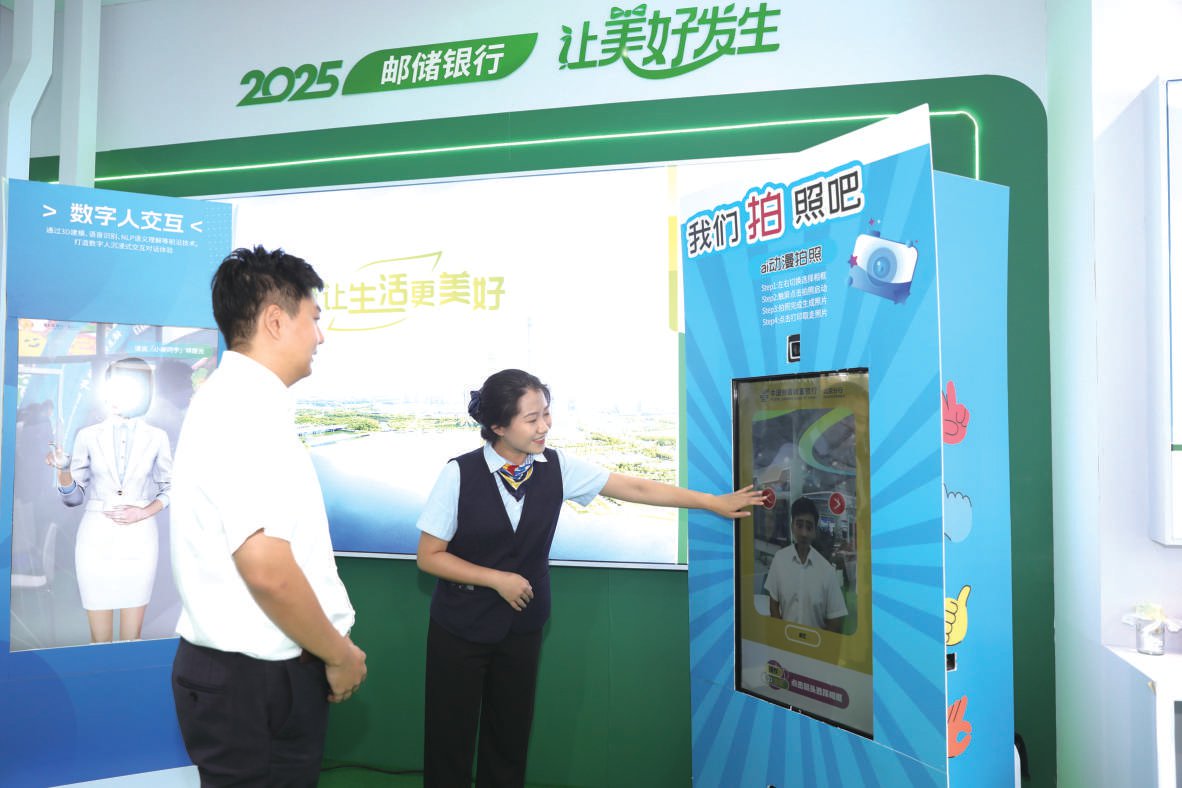
Core Viewpoint - Postal Savings Bank of China Beijing Branch integrates its development into the overall economic and social development of the capital, focusing on providing modern financial services that meet diverse citizen needs and contribute to high-quality economic growth [1][18]. Group 1: Financial Service Efficiency - The bank enhances financial service efficiency through technology empowerment and process innovation, ensuring that financial resources reach the demand side more accurately and quickly [4][5]. - A closed-loop model of "online application + on-site service" has been introduced for small loans, allowing customers to apply via mobile banking and receive tailored solutions from dedicated loan officers [4][5]. - The bank collaborates with government departments and industry associations to address financing challenges faced by small and micro enterprises, optimizing product services and improving efficiency [4][5]. Group 2: Elderly Financial Services - The bank focuses on elderly financial services, addressing the needs of an aging population by providing stable asset allocation solutions and enhancing service quality [6][7]. - A diverse range of pension financial products is offered, including wealth management and insurance products, to meet the core demands of elderly clients for stability and safety [7]. - The bank has established an "age-friendly" service system, ensuring that elderly clients can access financial services without barriers, including physical accommodations and user-friendly technology [8][9]. Group 3: Community Engagement and Support - The bank has initiated the "Golden Sunshine Station" project to create a community space for elderly clients, offering health lectures and social activities to foster community engagement [9][10]. - The "Golden Sunshine Club" organizes events to promote health and social interaction among elderly clients, enhancing their quality of life [10]. - The bank prioritizes the financial safety of elderly clients by providing education on fraud prevention and ensuring secure banking practices [10][13]. Group 4: Social Responsibility and Emergency Response - In response to extreme weather events, the bank has implemented measures to support affected businesses and residents, including loan extensions and simplified approval processes [15][16]. - The bank has launched initiatives to assist residents in rebuilding after disasters, offering favorable loan terms and material subsidies to ease financial burdens [17]. - The bank's commitment to social responsibility is evident in its proactive approach to community support during crises, reinforcing its role as a reliable financial partner [15][16].

奇妙的“账户温差”: 为何养老理财产品在普通账户更受欢迎
Zhong Guo Zheng Quan Bao· 2025-08-25 22:18
Core Insights - The growth of personal pension accounts is lagging behind ordinary accounts, indicating that investors view these products primarily as high-quality ordinary investment options rather than dedicated pension products [1][2] - The development of pension wealth management is constrained by three main factors: insufficient sales push, lack of significant yield advantage over insurance products, and a prevailing investor preference for safety over returns [2][3] - Enhancing the investor holding experience is crucial for the development of pension wealth management, as it helps investors recognize the value of long-term investments [3][4] Sales Push Factors - Sales personnel are more actively promoting insurance products compared to wealth management products, which is influenced by sales incentive mechanisms [2] - The yield performance of wealth management products has not shown a significant advantage over insurance products in recent times [2] - Consumers prioritize safety in their pension savings, leading them to favor deposits and insurance products over riskier wealth management options [2][6] Investor Experience Enhancement - Improving the holding experience for investors is essential to help them appreciate the benefits of long-term investment and compound growth [3] - There is a significant potential difference in returns between low-yield savings products and slightly higher-yield wealth management products over a long investment horizon [3] - Financial institutions should focus on understanding client needs and designing products accordingly to enhance the long-term investment experience [3][4] Product Performance and Market Dynamics - Wealth management companies are confident in their product competitiveness, especially as both insurance and wealth management sectors face challenges in obtaining high-quality assets [4] - Wealth management products may gain competitive advantages over public funds due to better asset acquisition capabilities and investment strategy flexibility [4] Asset Allocation Strategies - Current personal pension account allocations are primarily based on investor self-decision rather than professional asset allocation services [6] - Professional institutions can stimulate the pension wealth management market by providing scientific and systematic asset allocation services tailored to individual client needs [6] - Recommendations for a balanced asset allocation strategy can help clients optimize their pension funds, moving away from solely relying on low-yield savings [6]
金融支持养老产业发展分析
Jin Rong Shi Bao· 2025-08-04 02:31
Core Viewpoint - The aging population in China is increasing the demand for elder care services, leading to a growing focus on the elder care industry, which is essential for improving the well-being of millions of citizens [1] Financial Support for Elder Care Industry - Financial support is crucial for increasing the supply of elder care services, as voluntary financing and fiscal support are insufficient to meet the diverse funding needs of the industry [2] - The elder care industry encompasses various sectors, including healthcare, real estate, and cultural services, necessitating optimized resource allocation through financial sector involvement [2] - Current reliance on government support creates market uncertainties, and financial backing can enhance the industry's resilience against risks [2] Opportunities for Financial Sector - The growing demand for elder care services presents a significant market growth opportunity for financial institutions, covering areas such as healthcare, nursing, and wealth management [3] - The elder care sector can provide stable investment returns, aligning well with the liabilities of various insurance institutions [3] - Engaging in elder care services allows financial institutions to fulfill social responsibilities while expanding into socially valuable business areas [3] Challenges in the Elder Care Industry - The elder care industry faces challenges such as immature business models, with revenue primarily from service fees and a lack of a complete ecosystem [4] - There is a mismatch in supply and demand, with an oversupply of high-end services in urban areas and insufficient quality services for lower-income groups [4] - Data standardization is lacking, affecting decision-making efficiency for financial institutions [4] - High investment risks exist due to weak profitability and long return cycles in elder care service providers [4] Insufficient Financial Support - Financial institutions often lack a deep understanding of the elder care sector, leading to inadequate professional talent and limited service offerings [5] - The application of technology in financial services for elder care is still in the exploratory stage, failing to meet diverse needs [5] - Current government financial support policies are primarily focused on infrastructure, with insufficient incentives for upstream and downstream enterprises [6] Development Strategies - Innovation in financial products and services is essential to meet the diverse financial needs of the elder care industry [7] - Utilizing technology can enhance the efficiency and security of elder care financial services, such as real-time health monitoring [8] - Innovative policy tools are needed to mobilize resources for elder care industry development, including long-term funding support and risk-sharing mechanisms [9] Interdepartmental Collaboration - Effective interdepartmental collaboration is crucial for enhancing the systemic and operational effectiveness of elder care financial policies [10] - Establishing a high-level coordination mechanism among various departments can improve policy implementation and resource allocation [10]