冷萃

Search documents
大侠后宫:“牛马上班为了多睡几秒到底有多拼?”啊啊啊把电动车夹被窝里闹钟一响就能骑!
猿大侠· 2025-11-20 04:11
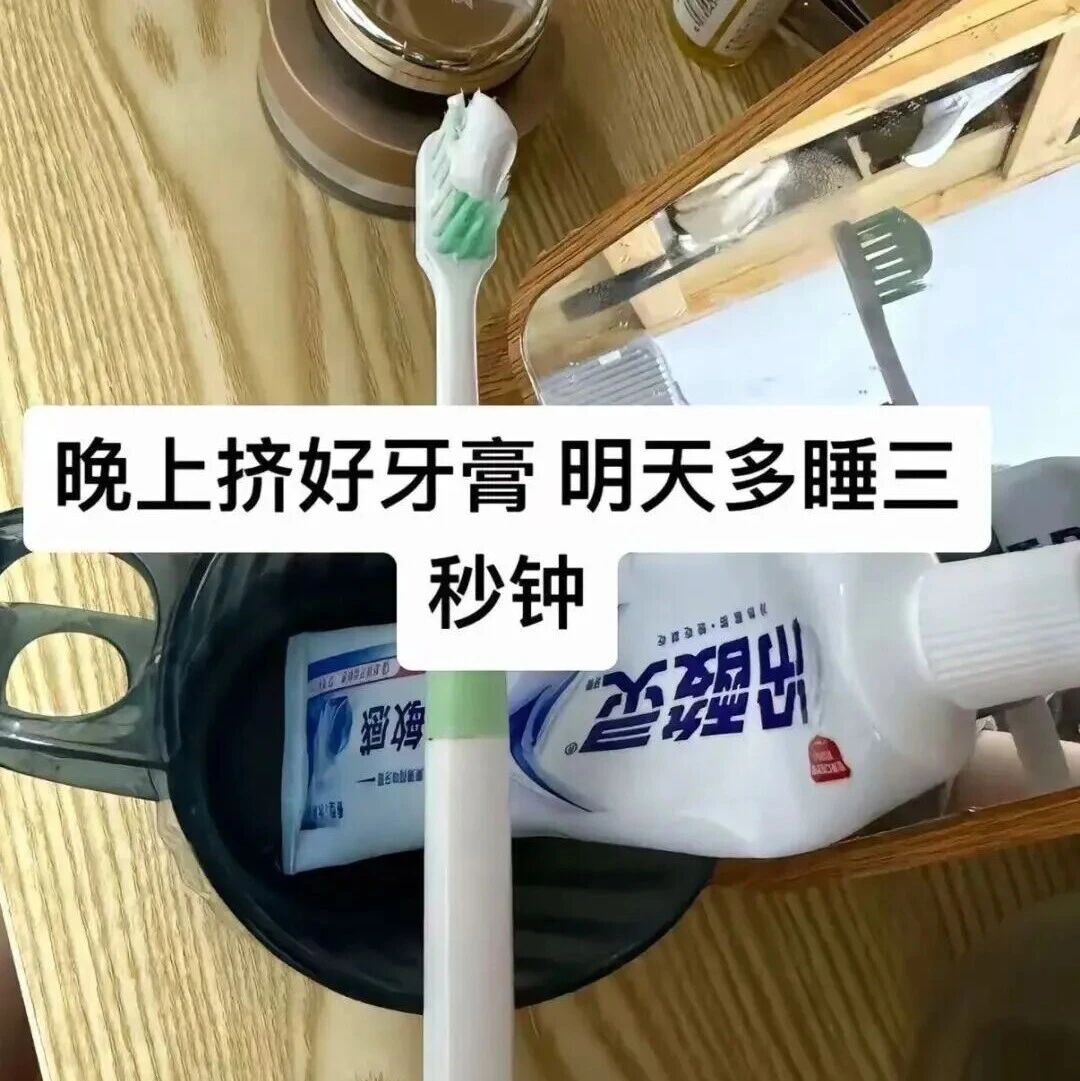
转自:吐槽星君 、牛马上班为了多睡几秒到底有多拼? (vi a .@是Kryst a l吖 ) 睡前把自行车放被窝里一睁眼瞪着就走 ♡ 97.0万 ♡ 11-8·安徽 回复 - 展开5.2万条回复v 这冷知识有点太冷了 c C21 0 1分钟前·河北 回复 早餐在嘴里嚼好明早上一咽 ♡ 90.7万 $ 11-7·内蒙古 回复 - 展开 3.6 万条回复 v 日 = 晚上关好闹钟 明天多睡三小时 ♡ 58.4万 ♡ 11-6·河南 回复 9 公众号 · 吐槽星君 展开 1.2万条回复 v 11 10 1 1 1 1 1 2 2 2 2 2 如果不挤牙膏,提前睡3秒钟 ® P ♡ 12.5万 ♡ 11-8 · 河南 回复 我去 不早说 9 公公号 · 吐槽星君 11-8·辽宁 同复 II II 第二天早上发现牙膏干了抠5秒 C 7241 CO 1天前·河南 回复 展开110条回复v 屎直接先藏裤兜子里,等到了厕所直接倒出来(8) (78399 (1) 11-13 · 山东 回复 那他妈是拉裤兜了 2 公众号 · 吐槽星君 吃完晚饭直接去单位睡呗 11-6 · 江苏 · 回复 ♡ 1.5万 © 展开 129 条回复 ...

星巴克中国数十款饮品降价:战略调整背后的市场博弈与消费逻辑
Sou Hu Cai Jing· 2025-06-09 15:14
Core Viewpoint - Starbucks China has announced a collective price reduction for several non-coffee beverages starting June 10, with an average price drop of 5 yuan, reaching a minimum price of 23 yuan, marking the first systematic price cut for non-coffee drinks, reflecting significant changes in the Chinese coffee and tea market [1][26] Market Pressure and Consumer Behavior - Structural changes in the consumer demographic are reshaping consumption logic, with a projected 13 million college graduates by 2025 facing limited job opportunities, leading to income disparity and a decline in Starbucks' traditional customer base [3] - Starbucks' average transaction price has declined for eight consecutive quarters, with a 6% drop in same-store sales in Q1 2025 and a drastic reduction in transaction volume growth from 48% in 2023 to just 4% [3] Competitive Landscape - Local brands like Luckin and Kudi are leveraging supply chain efficiency to restructure pricing, with Luckin achieving a stock turnover of 18 days and a single-cup cost of 10.16 yuan, while Starbucks faces higher operational costs due to insufficient local production capacity [5] - Starbucks' same-store average price is expected to drop by 8% in 2024, with comparable transaction volume decreasing by 6%, creating a negative cycle of declining volume and price [5] Brand Positioning and Strategy - The brand's premium image, established through the "third space" model, is deteriorating as new store expansions face rental pressures and reduced foot traffic, leading to a retreat from prime locations [6] - Starbucks' pricing strategy has shifted to a dual-track approach, maintaining a premium price range of 30-40 yuan for coffee while offering non-coffee drinks at 23-35 yuan to attract a broader market [11] Cost Management and Supply Chain - Starbucks is working on localizing its supply chain to reduce costs, achieving over 90% local sourcing, but still faces a 30% higher single-cup cost compared to competitors [12] - The company plans to reduce store sizes and increase the use of self-service kiosks to lower operational costs [12] Short-term Gains and Long-term Risks - Initial results from the price reduction show a 30% increase in non-coffee drink sales in the first week, with a significant rise in younger consumers, but the loyalty of price-sensitive customers remains low [15] - The price cut has led to a loss of some high-end customers, with 22% of Starbucks Gold Card members feeling the brand has lost its premium appeal [16] Profitability Challenges - Following the price reduction, Starbucks' operating profit margin has decreased from 18% to 15%, nearing the breakeven point, necessitating strategies to enhance member spending and increase sales of high-margin products [19] - Future strategies include transforming stores into community spaces and deploying AI for inventory management to improve operational efficiency [20] Cultural and Product Localization - Starbucks is introducing localized products and plans to collaborate with cultural heritage IPs to enhance brand appeal while being cautious of over-localization that may dilute brand identity [23]