
凝胶冰雪

Search documents
中国冰雪运动的“科技后援团”
Xin Hua She· 2026-02-28 01:28
Group 1 - The core viewpoint of the articles highlights the significant role of technology in enhancing China's winter sports performance, particularly during the Milan Winter Olympics, where the Chinese sports delegation achieved its best results abroad with 5 gold, 4 silver, and 6 bronze medals [1] - The integration of advanced technology, such as wireless heart rate monitoring and GPS devices, allows for precise training adjustments based on athletes' energy consumption and muscle recovery [2] - Innovations like the snow friction coefficient measurement system and AI video replay systems are crucial in optimizing athletes' performance and training efficiency [2][3] Group 2 - The development of gel ice technology by Beijing Institute of Technology significantly reduces the construction time and energy consumption of ice rinks, making it a viable solution for outdoor ice facilities [5] - The use of wind tunnel training facilities enables athletes to simulate and experience flight conditions, enhancing their training for sports like ski jumping and bobsledding [3] - The introduction of AI-assisted viewing technologies during the Winter Olympics provides real-time data and analysis, enhancing the spectator experience and making the events more accessible to a broader audience [7][8] Group 3 - The application of robotics in ski resorts, such as slope correction robots and venue measurement robots, is transforming the operational efficiency and safety of skiing activities [6] - The establishment of a database tailored to Chinese body types and sports habits is improving the design of sports apparel and equipment, catering to local preferences [6] - The advancements in AI technology are not only benefiting professional athletes but are also enhancing the experience for recreational snow sports enthusiasts [6][7]
“冷资源”释放“热效应”,中国冰雪经济跑出加速度
Yang Shi Wang· 2026-02-05 09:12
Core Viewpoint - The article emphasizes the rapid development of China's ice and snow economy, driven by the legacy of the Beijing Winter Olympics, which has transformed previously underutilized "cold resources" into significant economic drivers and enhanced public engagement in winter sports [1][17]. Group 1: Economic Impact - The ice and snow industry in China has grown from 364.7 billion to 980 billion yuan between 2016 and 2024, with an average annual growth rate of 21.09% [17]. - The integration of ice and snow sports into urban life and tourism has created a comprehensive industrial ecosystem, including event IP, youth training systems, and club operations [3][17]. - The development of ice and snow tourism has led to over 1 million visitors to the Yanqing Olympic Park since its opening [3]. Group 2: Infrastructure and Facilities - The National Alpine Skiing Center in Yanqing has become a popular destination for skiing enthusiasts, showcasing the successful transition from Olympic venue to a year-round recreational area [3]. - The "Snow Ru Yi" ski jump in Zhangjiakou has seen over 17,000 youth participants in training programs, indicating a growing interest in youth skiing [5]. - New technologies, such as gel ice materials, are being developed to reduce costs and improve efficiency in ice rink construction and maintenance [9]. Group 3: Consumer Trends - The rise of family-oriented ice and snow vacations has created new consumption patterns, with parents participating in skiing alongside their children [5]. - The ice and snow economy has stimulated local employment and income generation, enhancing the quality of life for residents [17]. - Various regions are innovating in their offerings, such as the integration of cultural experiences in snow tourism, which enriches the visitor experience [13][15]. Group 4: Industry Innovation - The ice and snow industry is fostering advancements in manufacturing, with traditional equipment manufacturers increasing R&D investments to create high-performance products [7][11]. - The development of lightweight ski equipment using new materials has led to increased demand and supply shortages [11]. - The ice and snow economy is becoming a vital engine for economic growth, connecting diverse sectors and enhancing consumer experiences across the country [17].

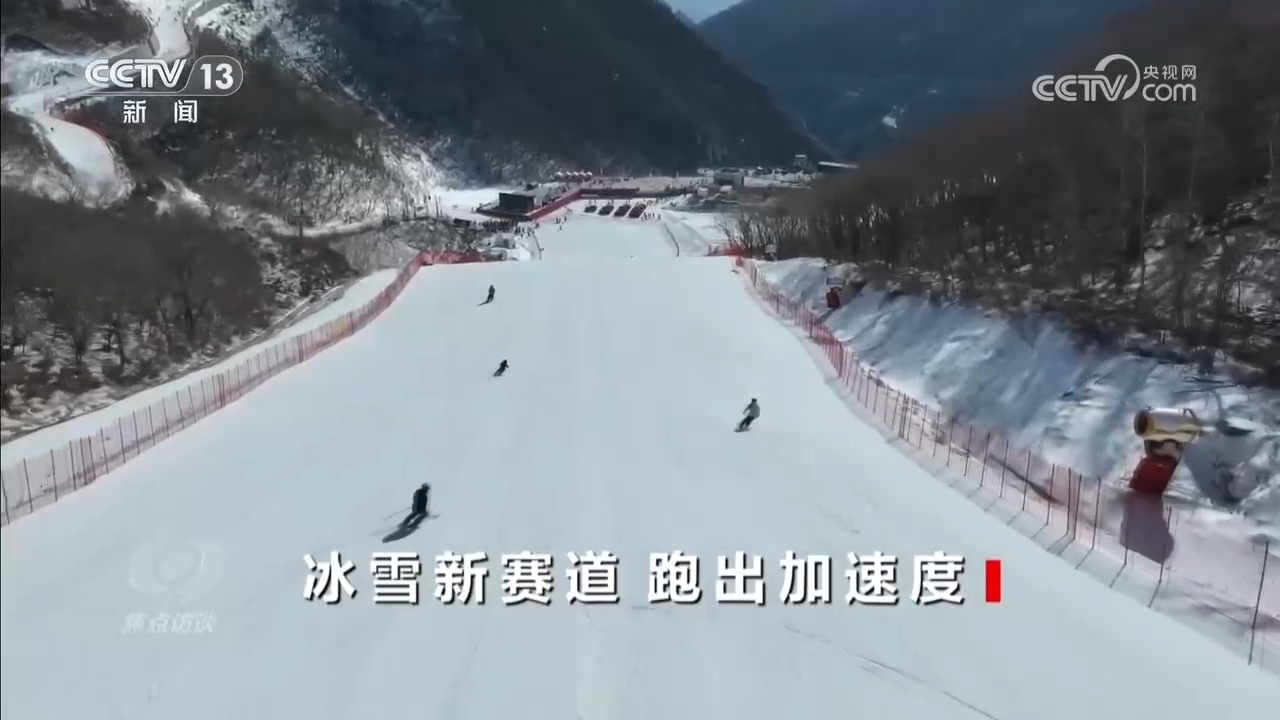
焦点访谈|“冷资源”释放“热效应”,中国冰雪经济跑出加速度
Yang Shi Wang· 2026-02-04 13:20
Core Insights - The Beijing Winter Olympics, held four years ago, has significantly boosted the "ice and snow economy," leading to increased participation in ice and snow sports and related industries such as tourism and equipment manufacturing [1][20] - The event has transformed previously underutilized "cold resources" into vital economic drivers, enhancing people's quality of life and contributing to economic growth [1][20] Group 1: Economic Impact - The ice and snow industry in China has grown from 364.7 billion yuan to 980 billion yuan between 2016 and 2024, with an average annual growth rate of 21.09% [20] - The integration of ice and snow sports into urban life and tourism has created a comprehensive ecosystem involving events, youth training, and club operations [3][20] - The development of ice and snow facilities and equipment has spurred a technological revolution in the manufacturing sector, with traditional companies increasing R&D investments [10][14] Group 2: Participation and Training - The National Alpine Skiing Center in Beijing has become a popular destination for skiing enthusiasts, attracting over 1 million visitors since its opening [3] - The youth skiing training center in Zhangjiakou has seen over 17,000 young participants this season, indicating a growing interest in professional skiing training [5][7] - Family-oriented ice and snow vacation models are emerging, with parents participating in skiing lessons alongside their children [7][8] Group 3: Infrastructure and Innovation - New materials like "gel ice" are being developed to reduce costs and improve the efficiency of ice rink construction and maintenance [12] - The introduction of advanced snow-making technologies and lightweight skiing equipment is enhancing the overall skiing experience and increasing demand [10][14] - The ice and snow economy is fostering new business models and cultural experiences, such as themed attractions and educational centers [16][18]