超轻滑雪板

Search documents
“冷资源”释放“热效应”,中国冰雪经济跑出加速度
Yang Shi Wang· 2026-02-05 09:12
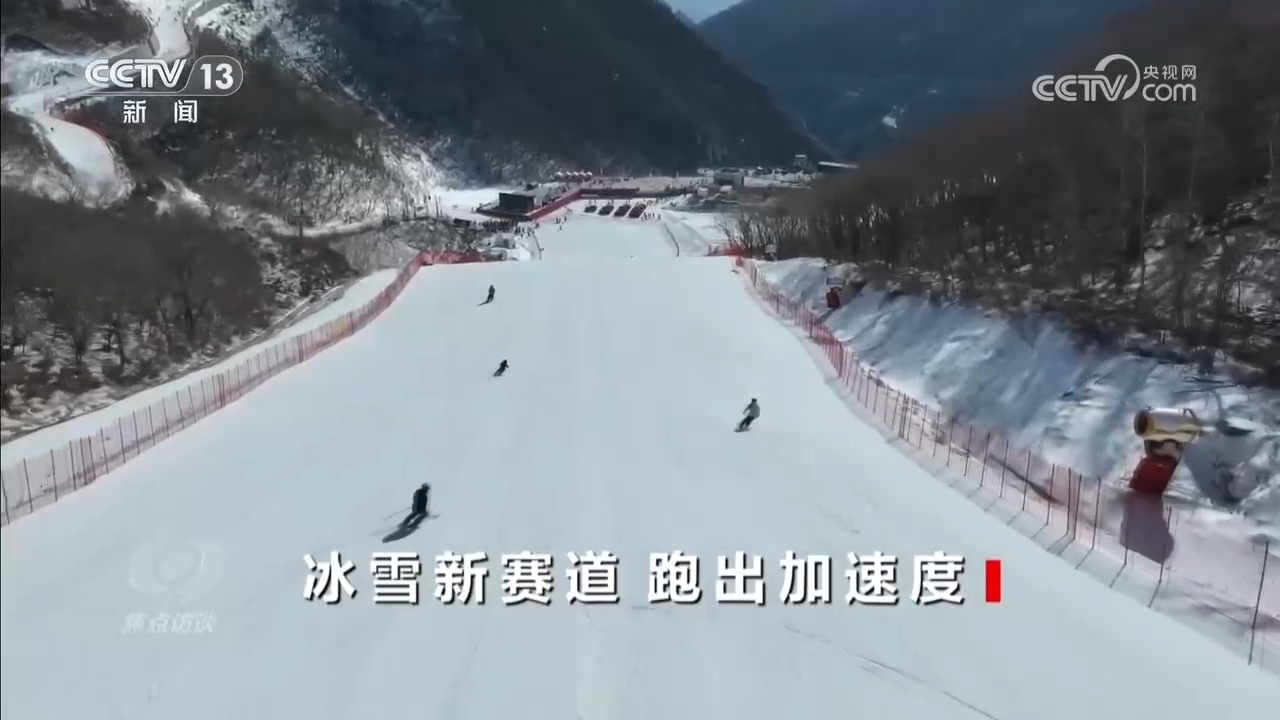
Core Viewpoint - The article emphasizes the rapid development of China's ice and snow economy, driven by the legacy of the Beijing Winter Olympics, which has transformed previously underutilized "cold resources" into significant economic drivers and enhanced public engagement in winter sports [1][17]. Group 1: Economic Impact - The ice and snow industry in China has grown from 364.7 billion to 980 billion yuan between 2016 and 2024, with an average annual growth rate of 21.09% [17]. - The integration of ice and snow sports into urban life and tourism has created a comprehensive industrial ecosystem, including event IP, youth training systems, and club operations [3][17]. - The development of ice and snow tourism has led to over 1 million visitors to the Yanqing Olympic Park since its opening [3]. Group 2: Infrastructure and Facilities - The National Alpine Skiing Center in Yanqing has become a popular destination for skiing enthusiasts, showcasing the successful transition from Olympic venue to a year-round recreational area [3]. - The "Snow Ru Yi" ski jump in Zhangjiakou has seen over 17,000 youth participants in training programs, indicating a growing interest in youth skiing [5]. - New technologies, such as gel ice materials, are being developed to reduce costs and improve efficiency in ice rink construction and maintenance [9]. Group 3: Consumer Trends - The rise of family-oriented ice and snow vacations has created new consumption patterns, with parents participating in skiing alongside their children [5]. - The ice and snow economy has stimulated local employment and income generation, enhancing the quality of life for residents [17]. - Various regions are innovating in their offerings, such as the integration of cultural experiences in snow tourism, which enriches the visitor experience [13][15]. Group 4: Industry Innovation - The ice and snow industry is fostering advancements in manufacturing, with traditional equipment manufacturers increasing R&D investments to create high-performance products [7][11]. - The development of lightweight ski equipment using new materials has led to increased demand and supply shortages [11]. - The ice and snow economy is becoming a vital engine for economic growth, connecting diverse sectors and enhancing consumer experiences across the country [17].

焦点访谈|“冷资源”释放“热效应”,中国冰雪经济跑出加速度
Yang Shi Wang· 2026-02-04 13:20
Core Insights - The Beijing Winter Olympics, held four years ago, has significantly boosted the "ice and snow economy," leading to increased participation in ice and snow sports and related industries such as tourism and equipment manufacturing [1][20] - The event has transformed previously underutilized "cold resources" into vital economic drivers, enhancing people's quality of life and contributing to economic growth [1][20] Group 1: Economic Impact - The ice and snow industry in China has grown from 364.7 billion yuan to 980 billion yuan between 2016 and 2024, with an average annual growth rate of 21.09% [20] - The integration of ice and snow sports into urban life and tourism has created a comprehensive ecosystem involving events, youth training, and club operations [3][20] - The development of ice and snow facilities and equipment has spurred a technological revolution in the manufacturing sector, with traditional companies increasing R&D investments [10][14] Group 2: Participation and Training - The National Alpine Skiing Center in Beijing has become a popular destination for skiing enthusiasts, attracting over 1 million visitors since its opening [3] - The youth skiing training center in Zhangjiakou has seen over 17,000 young participants this season, indicating a growing interest in professional skiing training [5][7] - Family-oriented ice and snow vacation models are emerging, with parents participating in skiing lessons alongside their children [7][8] Group 3: Infrastructure and Innovation - New materials like "gel ice" are being developed to reduce costs and improve the efficiency of ice rink construction and maintenance [12] - The introduction of advanced snow-making technologies and lightweight skiing equipment is enhancing the overall skiing experience and increasing demand [10][14] - The ice and snow economy is fostering new business models and cultural experiences, such as themed attractions and educational centers [16][18]
视频丨冰雪“冷资源”如何持续释放“热效应”?“冰雪+”带来新活力
Yang Shi Xin Wen Ke Hu Duan· 2026-01-24 12:13
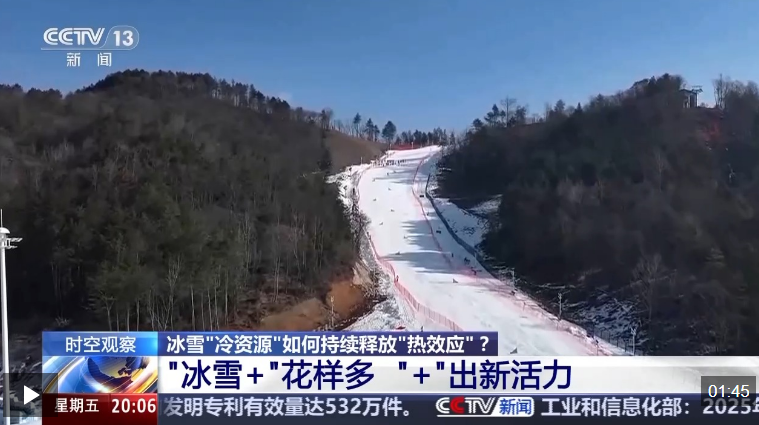
Core Insights - The rapid development of China's ice and snow industry has been significantly influenced by the call from President Xi Jinping in 2014 to engage 300 million people in ice and snow sports, culminating in record achievements at the 2022 Beijing Winter Olympics [2][28] - The trend of "ice and snow +" has led to the emergence of new business models and consumption patterns, integrating various sectors such as tourism, dining, and cultural experiences [4][9] Group 1: Ice and Snow Sports Development - The "ice and snow +" model has generated diverse new business formats and vibrant consumption in the ice and snow sector [2] - The integration of ice and snow sports with local tourism resources has resulted in the creation of premium tourism routes that combine skiing, hot springs, and cultural experiences [4] - The participation of southern tourists in ice and snow sports has become a significant trend, with over 50% of participants in northern ice and snow tourism destinations being from southern regions [16][30] Group 2: Infrastructure and Economic Growth - The number of indoor ski resorts in China has increased from 5 in the 2013-2014 season to 79 in the 2024-2025 season, primarily located in southern provinces [17] - The ice and snow industry in China has seen its total scale grow from 381.1 billion yuan in 2020 to 980 billion yuan in 2024, with an average annual growth rate of 26.6% [32] - The development of advanced ice and snow equipment has led to a significant reduction in costs and an increase in domestic production rates, enhancing the overall industry ecosystem [34][39] Group 3: Future Prospects and Strategies - The ice and snow tourism sector is projected to reach 360 million participants and generate 450 billion yuan in revenue by the 2025-2026 winter season [40] - Strategies to sustain the growth of the ice and snow economy include promoting diverse consumption scenarios, enhancing community engagement, and integrating technology and talent development [42][46] - The focus on creating unique local experiences and avoiding homogenized competition will be crucial for the continued success of the ice and snow industry [40][44]
冰雪产业何以“加速跑”?从愿景变现实 生活新时尚激活“冰雪+”全链条消费生态
Yang Shi Wang· 2026-01-23 13:10
Group 1 - The "Ice and Snow +" integration development model is generating new business formats and consumption vitality in the ice and snow sector [2][3] - The trend of "Southern guests heading North" is becoming significant in China's ice and snow consumption, with over 50% of participants in Northern ice and snow tourism destinations being from Southern regions [6][10] - The number of indoor ski resorts in China has increased from 5 in the 2013-2014 season to 79 in the 2024-2025 season, primarily located in Southern provinces [11] Group 2 - The ice and snow industry in China is experiencing rapid growth, with the total scale increasing from 381.1 billion yuan in 2020 to 980 billion yuan in 2024, reflecting an annual growth rate of 26.6% [31] - The integration of "Ice and Snow + Culture and Tourism" is creating new consumption scenarios, enhancing the appeal of ice and snow activities [45] - The development of ice and snow tourism is projected to reach 360 million participants and generate 450 billion yuan in revenue by the 2025-2026 winter season [43]
人民财评:科技赋能 让冰雪经济持续“热”起来
Ren Min Wang· 2026-01-09 06:43
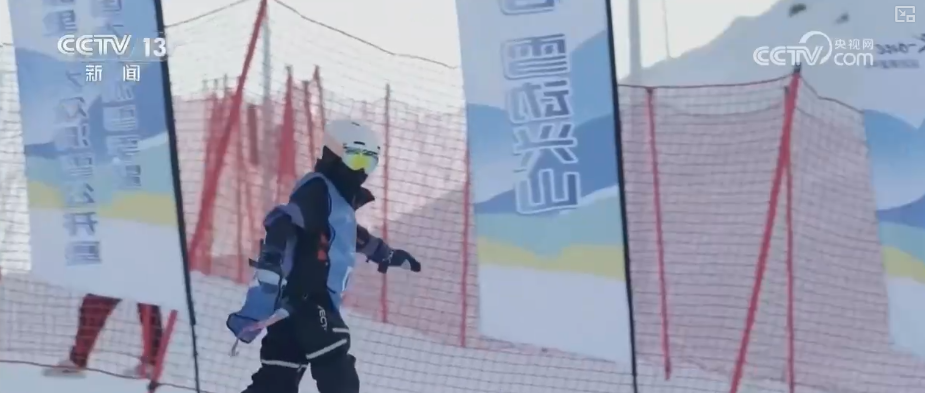
Core Insights - The integration of technology is transforming the ice and snow economy from a seasonal activity into a year-round industry, with projected consumption reaching 78.613 billion yuan during the 2024-2025 ski season [1] - The total scale of China's ice and snow industry is expected to exceed 1 trillion yuan by 2025, achieving significant growth over the past decade [1] Group 1: Industry Transformation - Technology is reshaping the ice and snow economy by merging it with culture, sports, manufacturing, and tourism, leading to a robust economic impact on retail, transportation, and dining sectors [1] - The "ice and snow + folk customs" model in Liupanshui, Guizhou, is providing local residents with stable tourism-related income [1] - The combination of Winter Olympic legacies and technology in the Beijing-Zhangjiakou area is creating a unique industrial cluster known as "Jingbing Zhangxue" [1] Group 2: Accessibility and Participation - Traditional barriers in the ice and snow economy are being lowered through technological innovations, making participation more accessible to a broader audience [2] - Ski simulators and AI digital guides are enhancing the experience for visitors, while smart wearable devices provide personalized feedback, significantly increasing consumer engagement [2] - The number of participants in ice and snow sports is projected to reach 292 million, with southern regions accounting for 38% of ice and snow consumption, breaking the dominance of northern areas [2] Group 3: Technological Advancements - The domestic ice and snow equipment sector is experiencing a technological boom, with products like ultra-lightweight skis and smart ski goggles being introduced [3] - Over 12,000 patents have been filed in the ice and snow sector, indicating that technological innovation is a key driver for high-quality industry development [3] - The integration of 5G and AI technologies is expected to further expand the boundaries of the ice and snow economy, transforming cold resources into a vibrant economic sector [3]
视频丨入境订单激增 我国冰雪经济“热力全开”
Yang Shi Xin Wen Ke Hu Duan· 2025-12-26 02:09
Group 1 - The core viewpoint of the article highlights the increasing popularity of China as an international ice and snow tourism destination, driven by the visa-free policy and rising tourism interest [1][3] - There has been a significant surge in inbound ice and snow tourism orders, with many foreign tourists visiting various snow resorts in China, such as Zhangjiakou and Yunnan [3][5] - The introduction of enhanced visa services, such as the "quick extension" service in Shenyang, allows foreign tourists to extend their stay for up to 30 days, facilitating their travel experience [7] Group 2 - The trend of "multi-day immersive" experiences is becoming mainstream, with domestic tourists opting for longer stays at snow resorts, transforming ice sports from a niche hobby to a lifestyle choice [8][12] - The Northeast Railway has launched a "15-day ice and snow tourism ticket," allowing travelers to make multiple trips within 15 days to popular destinations in Liaoning, Jilin, and Heilongjiang, promoting flexible travel arrangements [14] - Small and medium-sized snow resorts are experiencing a booking surge of over 200% since November, with unique ice and snow experiences gaining popularity among families and young tourists [15][18] Group 3 - The ice and snow economy is heating up, with advancements in domestic ice and snow equipment, including energy-efficient snow-making machines and lightweight skis, driving industry upgrades [16][20] - A comprehensive product system for ice and snow equipment has been established in China, covering all aspects from individual use to venue needs, with projections indicating that the ice and snow industry will exceed 1 trillion yuan by 2025 [23]