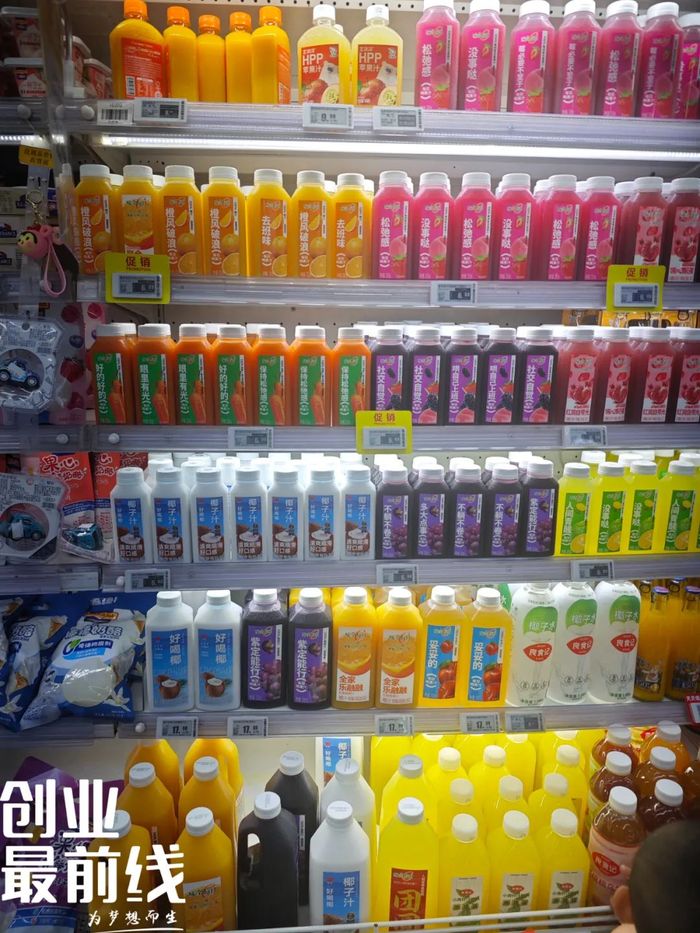
北冰洋桔汁汽水

Search documents
亿滋报告:86%中国人爱分享童年零食,怀旧风成消费新引擎
东京烘焙职业人· 2025-11-24 08:33
Core Insights - The article emphasizes the growing influence of nostalgia on consumer choices in the snack industry, particularly in China, where 86% of consumers enjoy sharing their childhood favorite snacks [8][12][13]. Group 1: Nostalgia and Consumer Behavior - The sixth annual Mondelēz International State of Snacking report highlights that cherished traditions and warm childhood memories are key factors influencing global snack choices [6][4]. - Brands are increasingly tapping into nostalgia as a mainstream consumer motivation, with successful campaigns like Kang Shifu's "White Moonlight Revival Plan" allowing consumers to vote on classic products to bring back [12][13]. - Mars Wrigley successfully reintroduced the "White Arrow" gum, resonating with older consumers while attracting younger generations, showcasing the importance of emotional connections in brand loyalty [15][17]. Group 2: Balancing Innovation and Nostalgia - The article discusses the challenge of balancing nostalgia with innovation, noting that a high percentage of new products fail within a year, with only 15% of food and beverage innovations surviving [21][22]. - Brands are shifting focus towards upgrading classic products through "micro-innovation," which allows them to leverage existing brand recognition while meeting evolving consumer demands [24][30]. - Examples include the introduction of real fruit juice in popular gummy products and the redesign of classic candy shapes to appeal to younger consumers' social media sharing habits [26][28]. Group 3: Seasonal and Emotional Marketing - Seasonal sentiments play a crucial role in snack consumption, with snacks serving as both a source of enjoyment and a means of emotional connection during holidays [32][34]. - Brands are actively innovating for holidays, with limited edition products designed to enhance festive experiences, such as the Christmas-themed gummy candies from Kuli [35][39]. - The article concludes that emotional marketing significantly boosts brand loyalty, with consumers engaged through emotional connections showing over 30% higher loyalty than average consumers [39][40].


“北京老字号”汽水,被谁打败了?
Xin Lang Cai Jing· 2025-08-05 11:19
Core Viewpoint - The carbonated beverage market in China is experiencing a significant decline, with only carbonated drinks showing negative growth while other beverage categories are thriving [2][3]. Group 1: Market Trends - In 2020, carbonated beverages were the only category with growth among seven major beverage types, while others faced negative growth [1]. - By 2023, carbonated beverages are now the only category experiencing negative growth, with the other six categories, including ready-to-drink tea and functional drinks, seeing substantial increases [2][3]. - The overall beverage market in China is projected to grow by 6.2%, with ready-to-drink tea, functional drinks, and juices outperforming carbonated beverages [3]. Group 2: Company Challenges - The Beijing-based brand Beibingyang, known for its orange soda, is struggling to maintain its market position and is seeking new growth avenues through diversification into coffee, juice, and health drinks [2][4]. - Beibingyang's sales peaked at 800 million yuan, primarily from juice-flavored sodas, but its new product lines have not performed well in the market [10]. - The brand faces intense competition from other local brands like Dayao, which offers larger packaging at lower prices, appealing to price-sensitive consumers [21][23]. Group 3: Regional Limitations - Beibingyang's market presence is largely confined to the Beijing-Tianjin-Hebei region, limiting its national expansion and brand recognition in southern markets [12][19]. - The brand's historical reliance on regional identity has hindered its ability to penetrate broader markets, particularly in southern China where it is less known [17][19]. Group 4: Competitive Landscape - The carbonated beverage market is dominated by international giants like Coca-Cola and Pepsi, which hold 38.2% and 29.7% market shares respectively, while Beibingyang only accounts for 3.5% [24]. - The increasing number of competitors in the beverage space, including both local and international brands, poses a significant challenge for Beibingyang [24][27]. Group 5: Strategic Directions - Beibingyang aims to focus on three strategic areas: expanding its market presence in lower-tier cities, enhancing product innovation to align with health trends, and exploring international markets [27]. - The brand has begun testing markets in Southeast Asia and plans to enter North America and Europe by 2026 [27].