
医用隔离垫

Search documents
医保违规频发 大参林门店管理短板凸显 央视揭秘9000万虚假医疗器械合同
Sou Hu Cai Jing· 2025-11-14 13:42
Core Viewpoint - The article discusses the recent exposure of a chain pharmacy, Dacianlin, for selling ordinary consumer products disguised as medical devices, allowing them to be reimbursed by health insurance, raising concerns about compliance and regulatory scrutiny in the industry [2][6]. Group 1: Company Overview - Dacianlin operates a large chain of pharmacies, with over 17,000 stores as of September 2023, making it the largest pharmacy chain in terms of store count in China [6]. - The company reported non-pharmaceutical revenue of 2.948 billion yuan in 2024, with a gross margin of 42%, which is 9 percentage points higher than its average gross margin of 32.74% [6]. - Dacianlin's sales contract with the manufacturer of the disputed products amounts to nearly 900 million yuan [6]. Group 2: Regulatory Issues - The company has faced multiple instances of non-compliance with health insurance fund usage, with violations including improper billing practices and inclusion of non-reimbursable items in insurance claims [7][8]. - Dacianlin has implemented a "direct management franchise" model to strengthen control over franchise stores, requiring all products to be sourced from the company [8]. - Despite these measures, violations have continued, leading to penalties and fines for various stores [8]. Group 3: Market Context - The practice of misclassifying consumer goods as medical devices to benefit from insurance reimbursement has become common in the industry, with several other major pharmacy chains also implicated [6]. - The tightening of health insurance regulations is expected to increase scrutiny on such practices, potentially impacting the business model of companies like Dacianlin [6]. Group 4: Information Disclosure and Corporate Governance - Dacianlin's information disclosure rating improved to B grade from D grade, reflecting past issues with timely disclosures related to legal matters involving its actual controller [9]. - The company faced regulatory actions for failing to disclose critical information promptly, leading to penalties and a requirement for internal accountability measures [10].


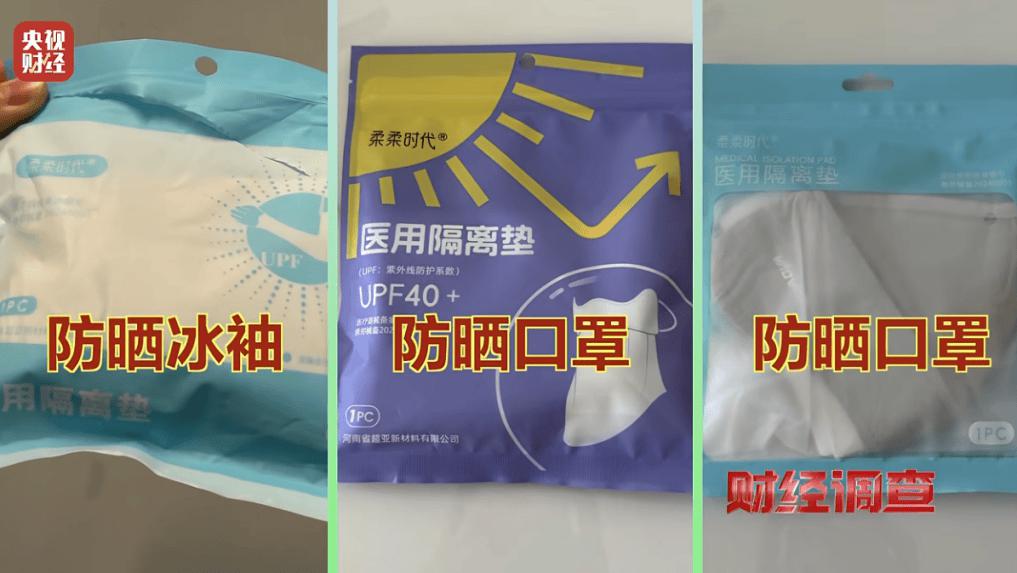
防晒品穿“马甲”进药店 企业钻医保漏洞拿下9000万大单
Yang Shi Xin Wen· 2025-11-09 21:54
Core Insights - The article highlights the practice of marketing sunscreen products as "medical isolation pads" to enable insurance reimbursement, which allows companies to capture a larger market share and increase profits [1][3][5] Group 1: Marketing Strategy - Companies are using the term "medical-grade" to promote products, which helps them gain more market access and higher profit margins [3] - The collaboration with a major pharmacy chain has led to the production of sunscreen masks and sleeves, with contracts amounting to 90 million yuan [3] Group 2: Regulatory Compliance - "Medical isolation pads" are classified as Class I medical devices, which have lower risks and simpler registration processes, allowing non-medical products to be compliant with medical device regulations [5] - These products have unique 27-digit medical insurance codes, enabling them to meet the conditions for insurance reimbursement in pharmacies [5]
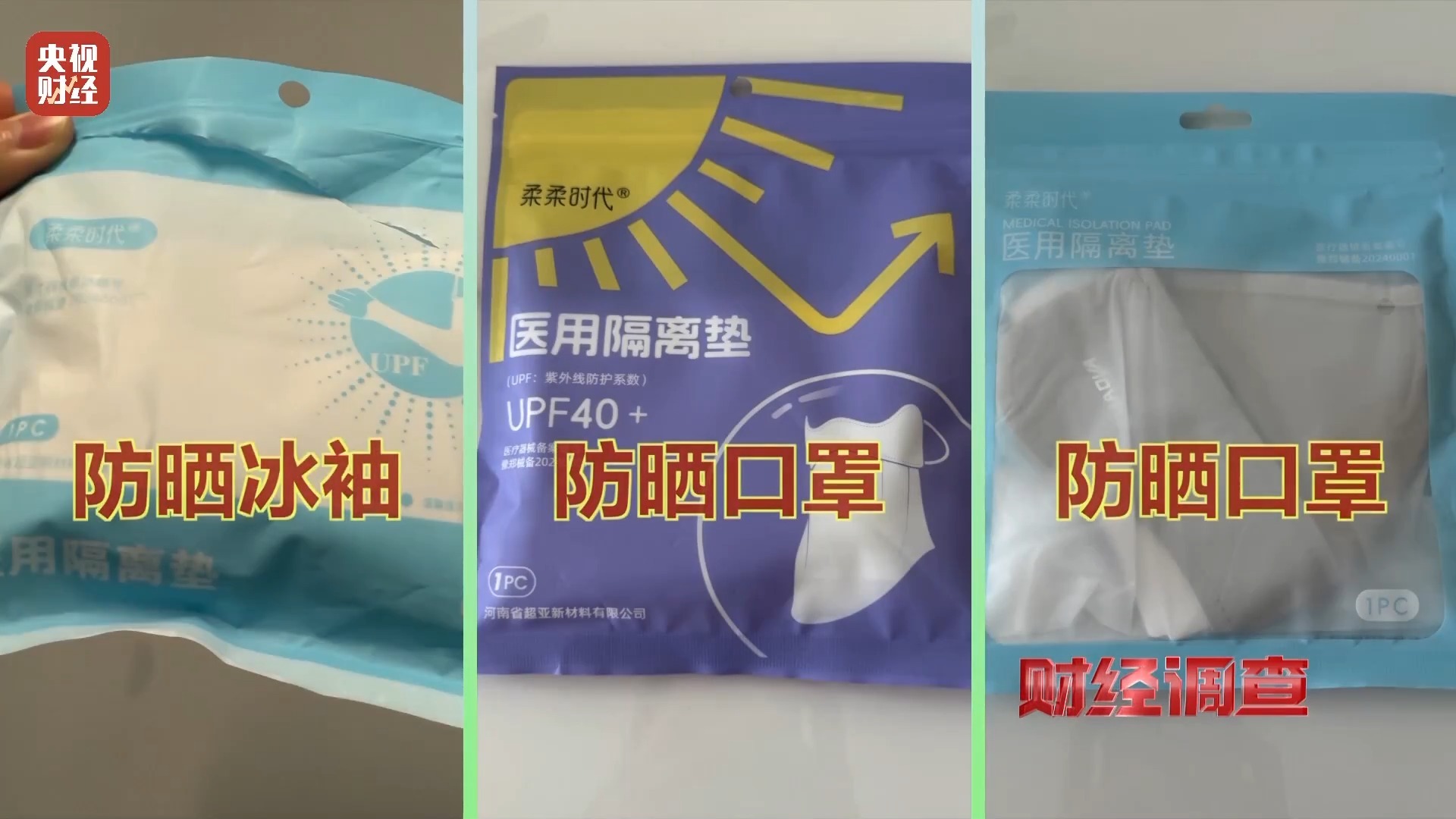
财经调查丨防晒产品“伪装”成医疗器械,药店公然刷医保销售
Sou Hu Cai Jing· 2025-11-09 12:44
Core Viewpoint - The article highlights the practice of marketing sunscreen products as "medical isolation pads" to exploit insurance reimbursement opportunities, revealing a trend in the pharmaceutical retail industry that blurs the lines between medical and non-medical products [1]. Group 1: Product Mislabeling - A sunscreen ice sleeve is marketed as a "medical isolation pad" to enable insurance reimbursement [1]. - The product's labeling as "medical" allows it to be sold in pharmacies and processed through health insurance, despite being a non-medical item [1]. Group 2: Market Strategy - The manufacturer, Henan Chaoya New Materials Co., has leveraged the "medical-grade" label to capture a larger market share and increase profits [1]. - The company has partnered with a leading pharmacy chain, resulting in an order worth 90 million yuan (approximately 13 million USD) for sunscreen masks and sleeves distributed to nearly 20,000 pharmacies nationwide [1]. Group 3: Regulatory Environment - "Medical isolation pads" are classified as Class I medical devices, which have lower risks and simpler registration processes, allowing non-medical products to meet compliance requirements [1]. - These products are assigned a unique 27-digit medical insurance code, enabling them to qualify for insurance reimbursement in certain regions [1].