
医保合规

Search documents
医保违规频发 大参林门店管理短板凸显 央视揭秘9000万虚假医疗器械合同
Sou Hu Cai Jing· 2025-11-14 13:42
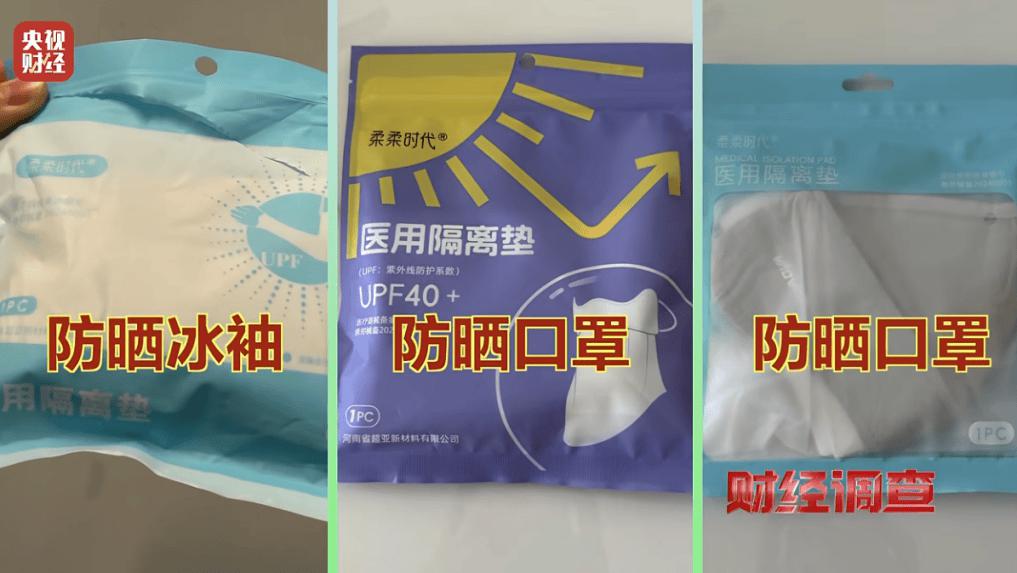
Core Viewpoint - The article discusses the recent exposure of a chain pharmacy, Dacianlin, for selling ordinary consumer products disguised as medical devices, allowing them to be reimbursed by health insurance, raising concerns about compliance and regulatory scrutiny in the industry [2][6]. Group 1: Company Overview - Dacianlin operates a large chain of pharmacies, with over 17,000 stores as of September 2023, making it the largest pharmacy chain in terms of store count in China [6]. - The company reported non-pharmaceutical revenue of 2.948 billion yuan in 2024, with a gross margin of 42%, which is 9 percentage points higher than its average gross margin of 32.74% [6]. - Dacianlin's sales contract with the manufacturer of the disputed products amounts to nearly 900 million yuan [6]. Group 2: Regulatory Issues - The company has faced multiple instances of non-compliance with health insurance fund usage, with violations including improper billing practices and inclusion of non-reimbursable items in insurance claims [7][8]. - Dacianlin has implemented a "direct management franchise" model to strengthen control over franchise stores, requiring all products to be sourced from the company [8]. - Despite these measures, violations have continued, leading to penalties and fines for various stores [8]. Group 3: Market Context - The practice of misclassifying consumer goods as medical devices to benefit from insurance reimbursement has become common in the industry, with several other major pharmacy chains also implicated [6]. - The tightening of health insurance regulations is expected to increase scrutiny on such practices, potentially impacting the business model of companies like Dacianlin [6]. Group 4: Information Disclosure and Corporate Governance - Dacianlin's information disclosure rating improved to B grade from D grade, reflecting past issues with timely disclosures related to legal matters involving its actual controller [9]. - The company faced regulatory actions for failing to disclose critical information promptly, leading to penalties and a requirement for internal accountability measures [10].


ESG解读|医保违规频发,大参林门店管理短板凸显;央视揭秘9000万虚假医疗器械合同
Sou Hu Cai Jing· 2025-11-14 11:16
Core Viewpoint - The article discusses the recent exposure of a chain pharmacy, Dacianlin, for selling ordinary consumer products disguised as medical devices, which can be reimbursed through medical insurance, highlighting regulatory loopholes and compliance issues in the industry [3][7]. Group 1: Company Overview - Dacianlin is a leading chain pharmacy in China, with over 17,000 stores as of September 2023, making it the largest in terms of revenue and store count [7]. - The company has seen significant growth, adding over 6,500 stores between 2023 and 2024, and has a 40% share of franchise stores in its total store count [8]. Group 2: Regulatory Issues - The company has been involved in multiple instances of non-compliance with medical insurance regulations, including improper billing practices and inclusion of non-reimbursable items in insurance claims [8][9]. - Dacianlin's practices of repackaging everyday items as medical devices have raised concerns, as this trend is becoming common in the industry, leading to higher profit margins and easier customer attraction [7]. Group 3: Financial Performance - In 2024, Dacianlin reported non-pharmaceutical revenue of 2.948 billion yuan, with a gross margin of 42%, which is 9 percentage points higher than the company's average gross margin of 32.74% [7]. - For the first half of the year, the company's non-pharmaceutical revenue reached 1.781 billion yuan [7]. Group 4: Information Disclosure and Ratings - Dacianlin received a B rating in the Shanghai Stock Exchange's annual information disclosure evaluation, a significant improvement from a D rating in 2024 [10]. - The company faced scrutiny for delayed disclosures related to legal issues involving its actual controller, which led to regulatory actions and internal accountability measures [11].
万店一心堂陷医保合规困局:扩张后遗症浮现,净利润连年滑坡
Xin Lang Zheng Quan· 2025-10-17 06:37
Core Viewpoint - Yixintang Pharmaceutical Group is facing significant compliance and management challenges due to repeated violations of medical insurance regulations, which have led to administrative penalties and a sharp decline in financial performance [1][2][4]. Compliance Risks - The recent administrative penalty against Yixintang's Deqin store involved the return of 1,246.65 yuan in improper medical insurance funds and a fine of double that amount. Similar violations have been reported across multiple locations in 2025, indicating a pattern of non-compliance [2][3]. - In May 2024, the National Medical Insurance Administration had previously warned Yixintang about issues such as drug substitution and excessive prescriptions, leading to a self-inspection that returned over 10.7 million yuan in improper funds. However, ongoing violations suggest that corrective measures have not been effective [2][3]. Management Challenges - As of June 30, 2025, Yixintang operated 11,372 stores across several provinces, but the rapid expansion has not been matched by improvements in management capabilities. The National Medical Insurance Administration highlighted that practices like excessive prescriptions reflect a focus on sales performance at the expense of compliance [3][4]. Financial Performance - Yixintang's financial health is deteriorating, with net profit plummeting from 5.49 billion yuan in 2023 to 1.14 billion yuan in 2024, a year-on-year decline of 79.23%. In the first half of 2025, revenue fell by 4.20%, and net profit decreased by 11.44%, alongside a reduction of 126 stores since the beginning of the year [4][5]. Regulatory Environment - Starting April 1, 2025, new regulations mandating electronic prescriptions have complicated operational processes, negatively impacting efficiency and customer experience. This has contributed to a decline in prescription drug sales [6][7]. - Additional pressures include a narrowing scope of medical insurance payments, declining profit margins, and discrepancies in online and offline regulatory oversight, further straining the company's operations [7]. Challenges Ahead - Yixintang faces dual challenges of ongoing compliance issues and the need to adapt to industry policy changes while grappling with stagnant growth. The company's ability to strengthen internal controls and standardize operations will be crucial for maintaining its medical insurance qualification, brand reputation, and regulatory standing in the capital market [8].
