升舱

Search documents
石家庄正定国际机场1月旅客吞吐量103.9万人次
Zhong Guo Min Hang Wang· 2026-02-03 02:03
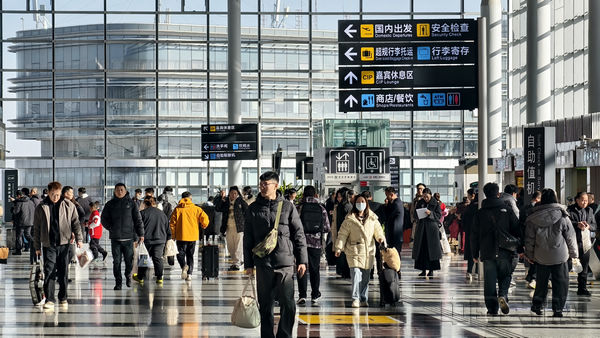
运力升级的同时,石家庄机场加大航空市场营销力度,针对高校师生返乡核心需求,石家庄机场联合河 北航空、春秋航空、首都航空、中国国际航空、深圳航空等多家航空公司,深入石家庄铁道大学、河北 科技大学、河北师范大学等高校开展专项推广活动,推出机票优惠套餐、专属特价机票、行李托运优惠 及升舱、选座专属服务等定制化产品,切实降低学生旅客出行成本,有效激活校园客源市场。紧盯假期 旅游消费热潮,机场同步推出石家庄、张家口两地研学游产品,精准对接文旅市场需求,多维度拉动客 流增长,助力航班客座率稳步提升。数据显示,1月份石家庄机场平均客座率达88.5%,持续位居全国 千万级机场前列,实现了运力投放与客流吸纳的高效匹配,彰显了区域航空枢纽的强劲活力。 依托春运热度提前攀升的良好态势,石家庄机场赋能石家庄市"最具幸福感"城市建设向更深层次迈进。 下一步,石家庄机场将持续深化与航空公司的协同联动,不断完善航线网络、优化产品服务体系,以航 空暖心服务传递城市温度,着力增强旅客出行幸福感与获得感。(编辑:张薇,校对:张彤,审核:程 凌) (石家庄正定国际机场供图) 中国民航网 通讯员李夏报道:截至1月31日,石家庄机场当月共保障旅客吞吐 ...

打破航空零售八大认知误区 | 2025麦肯锡全球航空业报告
麦肯锡· 2025-09-03 06:26
Core Insights - The aviation industry's ancillary revenue has been steadily increasing, with estimates showing that it will rise from approximately 5% in 2010 to around 15% by 2024 [2] - Airlines are focusing on optimizing retail models rather than merely expanding service categories, emphasizing personalized recommendations and precise pricing strategies to enhance customer acceptance and conversion rates [2][3] - Frequent flyer programs have become a significant value pillar for many airlines, particularly in the U.S., where co-branded credit cards generate substantial revenue due to high credit card penetration and transaction fees [2] Group 1: Importance of Ancillary Revenue - Airlines are actively expanding ancillary services such as baggage fees, in-flight retail, and seat selection, which have higher profit margins and lower price sensitivity compared to base fares [2] - The global travel industry has not only recovered but surpassed pre-pandemic levels, with total bookings expected to reach 115% of 2019 levels by 2024 [3] Group 2: Retail Strategy and Customer Insights - Airlines are re-evaluating their product sales and customer service strategies to align with evolving consumer behaviors and expectations [3] - A survey of 7,000 travelers revealed eight common misconceptions in current retail strategies, highlighting the need for airlines to understand the complete retail journey from initial interest to post-travel interactions [3] Group 3: Misconceptions in Customer Preferences - Many airlines mistakenly believe they have fully tapped into customer preferences, while in reality, travelers are willing to pay a premium for desired services that go beyond static ticket packages [4] - Price is the primary consideration for 33% of travelers, but convenience and brand trust are equally important, each cited by 20% of respondents [5] Group 4: Potential for Revenue Growth - There is an estimated potential customer value of over $45 billion in the airline retail value chain that remains untapped, primarily due to misalignment between service offerings and customer willingness to pay [8] - Airlines need to shift from rigid pricing structures to dynamic, segmented, and customized service frameworks to fully exploit traveler demand [9] Group 5: Digital Experience and Customer Engagement - Airlines must enhance their digital retail capabilities by adopting advanced technologies and strategies that improve customer engagement and conversion rates [17] - The use of behavioral economics in the booking process can significantly influence traveler decisions, with effective prompts and visual presentations leading to higher conversion rates [18] Group 6: Distribution Channels and Market Dynamics - Direct sales channels have grown from 34% to 49% of global ticket sales from 2016 to 2024, but traditional intermediaries still play a crucial role in the booking process [20] - Despite the growth of direct sales, many travelers still prefer using intermediaries, particularly price-sensitive or infrequent travelers [20] Group 7: Key Pain Points in Booking - The primary concerns for travelers during the booking process are price transparency and flexible cancellation policies, rather than technical issues with booking systems [26][27] - Travelers express dissatisfaction with flight punctuality, seat comfort, and service quality, indicating that operational reliability is more critical than the booking experience itself [31] Group 8: Social Media Influence on Travel Decisions - While social media platforms are influential among younger travelers, traditional digital channels and personal recommendations remain significant sources of travel inspiration across all age groups [35][39] - Airlines should develop a comprehensive marketing strategy that transcends social media to engage travelers during the decision-making process [39]