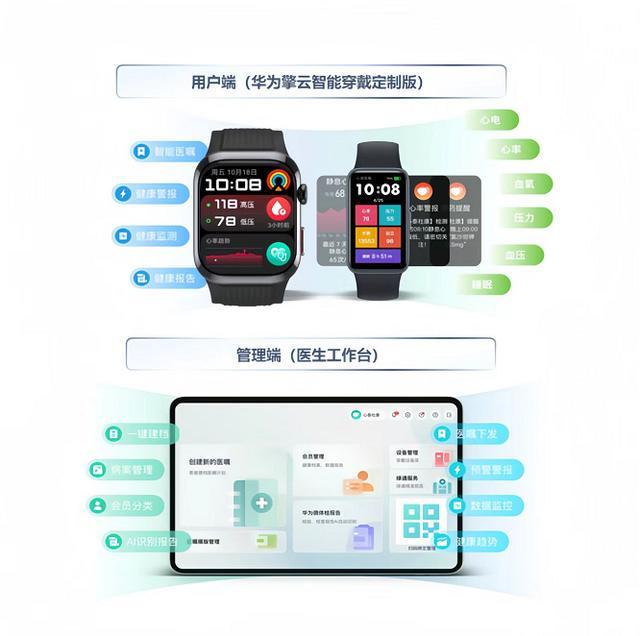
华为擎云智能穿戴设备

Search documents
病人离院后的99%时间,华为擎云如何“接管”?
Jing Ji Guan Cha Wang· 2026-01-30 10:53
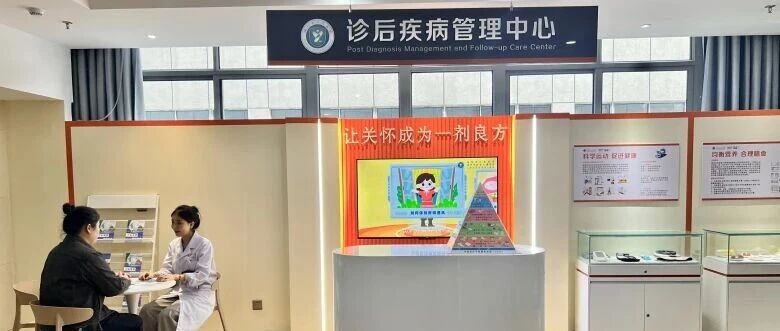
2025年,"新质生产力"成为产业界出现频率最高的词汇,而在医疗健康领域,这一概念正落子于具体的 诊疗环节。 通过成熟的商用终端和数字化技术,医疗机构能够将服务边界从医院内部延伸到患者生活中,将分散在 院外的健康数据转化为可用的医疗资源,从某种程度上来说,提升医疗服务能力,除了增加床位之外, 通过技术挖掘数据价值,同样能让有限的资源服务更多的人群。 破局:从"断连"到"互联" 温州市人民医院的冠心病患者董先生(化名),就在近期刚经历了一次险情。 今年51岁的董先生(化名)不久前才完成心脏支架手术,处于出院后的康复期,按照惯例,这个阶段的 患者通常会与医院"失联",复诊与否全靠自觉。但在一个看似平常的午后,董先生(化名)佩戴的华为 擎云智能穿戴设备在后台捕捉到了一组异常数据:血氧饱和度持续低于90%。 这组数据通过标准接口,实时同步至温州市人民医院的诊后管理平台,几分钟后,医院管理团队的电话 打了进来,医生根据数据指导他进行了紧急干预。 这次及时地处置,规避了一次可能引发心衰或休克的医疗风险。 但这种"幸运"在目前的医疗体系中仍是少数,更多时候,患者离开医院大门,就意味着专业监护的断 档。 董先生(化名)的案例 ...
病人离院后的99%时间,华为擎云如何“接管”?
经济观察报· 2026-01-30 10:43
华为擎云将"主动健康"转化为一种普惠服务,这是"科技向 善"最具体的体现,智能硬件正在演变为延长人类健康周期的 伙伴。 作者:冯科翰 封图:企业供图 2025年,"新质生产力"成为产业界出现频率最高的词汇,而在医疗健康领域,这一概念正落子于 具体的诊疗环节。 温州市人民医院的冠心病患者董先生(化名),就在近期刚经历了一次险情。 今年51岁的董先生(化名)不久前才完成心脏支架手术,处于出院后的康复期,按照惯例,这个 阶段的患者通常会与医院"失联",复诊与否全靠自觉。但在一个看似平常的午后,董先生(化 名)佩戴的华为擎云智能穿戴设备在后台捕捉到了一组异常数据:血氧饱和度持续低于90%。 通过成熟的商用终端和数字化技术,医疗机构能够将服务边界从医院内部延伸到患者生活中,将分 散在院外的健康数据转化为可用的医疗资源,从某种程度上来说,提升医疗服务能力,除了增加床 位之外,通过技术挖掘数据价值,同样能让有限的资源服务更多的人群。 破局:从"断连"到"互联" 长期以来,心血管疾病等慢病管理的难点在于"离院即脱管"。 这组数据通过标准接口,实时同步至温州市人民医院的诊后管理平台,几分钟后,医院管理团队的 电话打了进来,医生 ...

从“口号”到“落地”:华为擎云六大解决方案和标杆案例重构主动健康新范式
Huan Qiu Wang· 2025-12-30 03:05
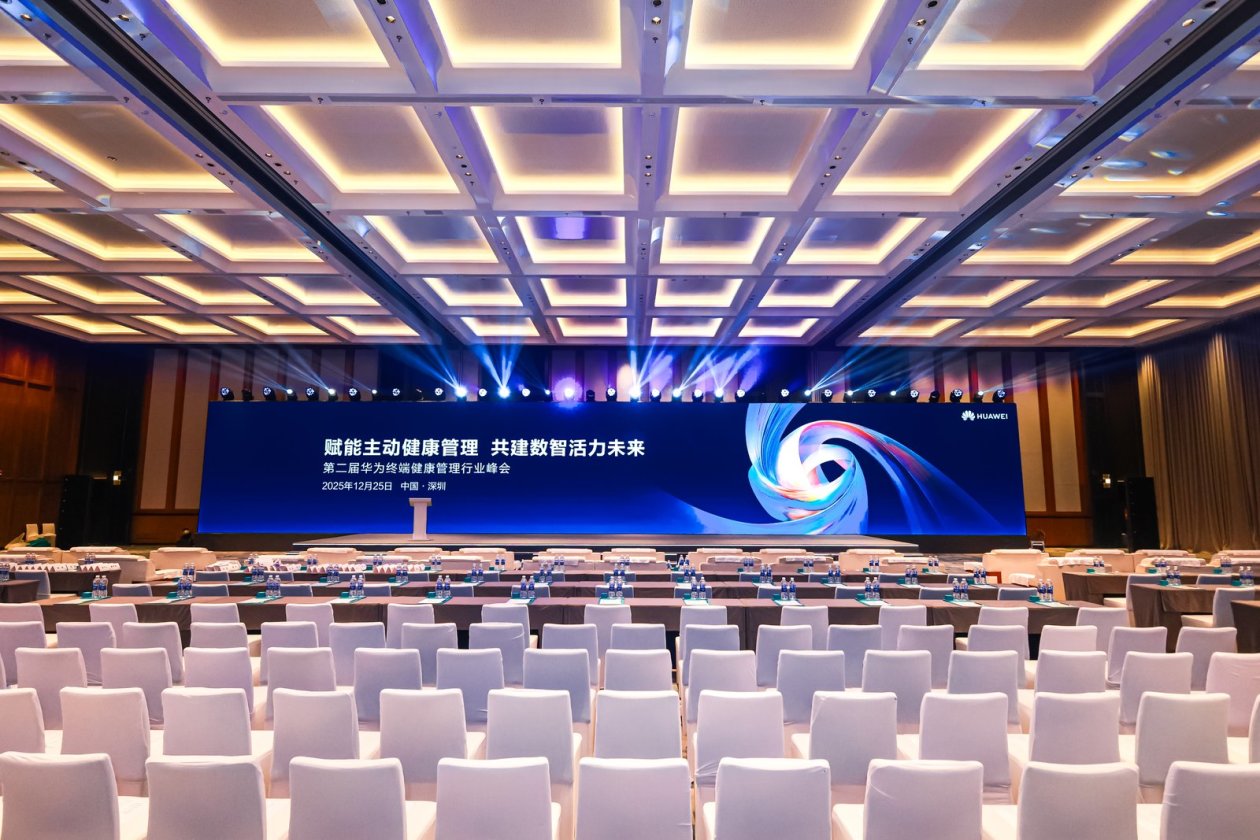
Core Viewpoint - The article emphasizes the urgent need for a proactive health management system in response to the challenges posed by an aging population, the rise of chronic diseases among younger individuals, and the imbalance in medical resource supply and demand. The traditional reactive medical model is no longer sustainable, highlighting the importance of continuous and dynamic health data management [1][2]. Group 1: Industry Challenges and Opportunities - The current bottleneck in health management is the lack of a continuous, dynamic, and intervenable data loop, with traditional health check-ups being insufficient to capture subtle health changes [2]. - The aging population and the increasing prevalence of chronic diseases necessitate a shift from a disease-centered approach to a more comprehensive health management strategy [1][2]. Group 2: Solutions and Innovations - Huawei's Qingtian Cloud has introduced three "universal" solutions to address the core pain points in health management, creating a seamless health network that covers home, community, institutions, and workplaces [2]. - The Shandong Xinyue Health Technology Co., Ltd. has developed a smart health management solution using Huawei's wearable devices, which continuously collects vital signs and integrates them with static medical data to create a complete "digital life portrait" [2]. - The Hebei Zhixing Health Management Service Co., Ltd. has implemented a community health management solution that allows users to monitor key health indicators through Huawei's wearable devices, enhancing health literacy and reducing the burden on hospitals [3]. Group 3: Vertical Scene Development - Huawei's Qingtian Cloud has successfully implemented a "stroke risk monitoring management" system in collaboration with Nantong University Affiliated Hospital, utilizing high-precision monitoring and AI algorithms for emergency responses [5]. - The "general practitioner health management" initiative at Central South University Xiangya Third Hospital extends health management to family units, promoting proactive health maintenance [5]. - The "healthy lifestyle management" program at the Chinese Academy of Medical Sciences Fuwai Hospital focuses on personalized and intelligent health interventions based on evidence-based medicine [5]. Group 4: Industry Standards and Future Directions - The summit highlighted the importance of establishing industry standards, such as the "smart follow-up platform wearable data access standard," which has gained recognition and aims to bridge the gap between consumer-grade hardware and medical applications [7]. - The digital transformation in health management is deemed essential for improving resource accessibility and chronic disease management efficiency, with Huawei's Qingtian Cloud facilitating a shift from experience-driven to data-driven approaches [7]. - The future vision includes building a comprehensive proactive health ecosystem that empowers individuals to take responsibility for their health, supported by open ecosystems and standardized interfaces [7].
赋能健康管理新范式,华为擎云入选新一代信息技术成果
Huan Qiu Wang Zi Xun· 2025-12-05 01:32
Core Viewpoint - The "China Search: Exploring the Future" forum aims to stimulate entrepreneurial innovation and promote the development of world-class enterprises, highlighting the importance of digital transformation in healthcare services to enhance public health levels [1]. Group 1: Digital Health Solutions - The Qingtian Smart Healthcare solution integrates AI algorithms, big data, and IoT technologies to create a comprehensive health management system covering prevention, monitoring, and intervention [1][3]. - The solution allows doctors to establish dynamic electronic health records and generate personalized health management plans based on real-time monitoring of vital signs such as heart rate and blood oxygen levels [3][4]. - The system includes a warning mechanism for abnormal indicators, enabling early detection and intervention through AI family doctor services [4]. Group 2: Implementation and Impact - The Qingtian Smart Healthcare solution has been implemented in over 100 public and private medical institutions across China, serving more than 20,000 users [4]. - The solution enhances the efficiency of grassroots medical services and patient compliance, alleviating the workload of primary care physicians while improving service quality and reputation [4]. - It establishes a three-tier health service system linking tertiary hospitals, communities, and families, making quality medical resources accessible to a broader population [4]. Group 3: Future Developments - Huawei Qingtian plans to deepen collaboration with partners in the healthcare sector, leveraging its innovative technology advantages to continuously improve AI algorithms and big data capabilities [5]. - The focus will be on standardizing and digitizing grassroots medical services, contributing to the creation of an interconnected intelligent health ecosystem [5].