华为Mate X2

Search documents
华为Mate X7:折叠屏全维度革新,引领行业新标杆
2 1 Shi Ji Jing Ji Bao Dao· 2025-12-29 09:43
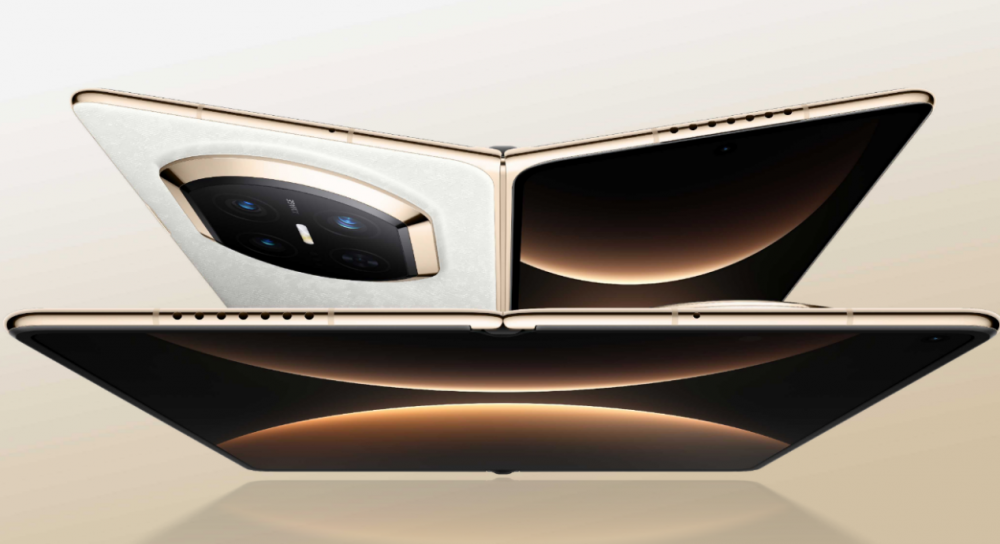
Core Insights - The article highlights the evolution of foldable smartphones, particularly focusing on Huawei's advancements and market leadership in this segment [1][3][14] - Huawei's Mate X7 is positioned as a transformative product that enhances user experience and redefines the value of foldable screens, moving from novelty to mainstream acceptance [1][4][15] Market Position and Strategy - Huawei has established a dominant position in the foldable smartphone market, with a projected market share of 75% in China by mid-2025, indicating that three out of every four foldable phones sold will bear the Huawei logo [3] - Despite increasing competition, Huawei maintained a 68.9% market share in the third quarter, reinforcing its status as a leader in the foldable segment [3] Product Innovation - The Mate X7 represents a shift from merely achieving foldability to enhancing overall user experience, focusing on durability, camera capabilities, and AI integration [4][11][12] - The device features a robust protective architecture, including advanced materials and design innovations that significantly improve durability and usability [9] Design and Aesthetics - The Mate X7 incorporates a unique camera module design and integrates traditional Chinese craftsmanship, enhancing its aesthetic appeal and cultural significance [6][7] - The use of innovative materials and design elements aims to create a product that resonates with users on both a functional and emotional level [6][7] Technological Advancements - The device employs cutting-edge technology to address common issues in foldable phones, such as fragility and performance, ensuring a reliable user experience [9] - The camera system has been upgraded to deliver superior image quality, with significant improvements in light intake and color accuracy, positioning the Mate X7 as a leading imaging device in its category [11] User Experience and Services - Huawei emphasizes a comprehensive user experience, offering services such as HUAWEI Care+ for enhanced customer support and peace of mind [12] - The integration of AI capabilities in the Mate X7 enhances productivity and user interaction, making it a versatile tool for everyday tasks [12] Industry Impact - Huawei's continuous innovation in the foldable smartphone sector is seen as a catalyst for industry-wide advancements, pushing competitors to follow suit and raising overall standards [14][15] - The Mate X7 is expected to facilitate the transition of foldable phones from niche products to mainstream devices, broadening their appeal to a wider audience [15]

从尝鲜到依赖:华为如何占据折叠屏用户的「主力心智」
36氪· 2025-12-05 13:35
Core Viewpoint - The article discusses the evolution and acceptance of foldable smartphones, highlighting their transition from skepticism to mainstream adoption, driven by user demand for enhanced productivity and multitasking capabilities [3][4][44]. Group 1: Market Evolution - The foldable smartphone market has seen significant growth, with projected shipments in China exceeding 10 million units by 2024, indicating a shift from niche to mainstream [4][42]. - Initial skepticism surrounding foldable phones mirrors the early criticism faced by the first iPhone, showcasing a pattern of innovation facing initial resistance [3][4]. - The article emphasizes that foldable screens are now recognized as essential tools for productivity, particularly for business and creative professionals [4][6]. Group 2: User Trust and Hardware Reliability - User concerns about hardware reliability, such as screen durability and hinge stability, are critical for gaining trust in foldable devices [8][10]. - Over 50% of users prioritize screen reliability, with a focus on scratch resistance and crease control, followed by hinge stability and overall performance [10][12]. - Huawei has positioned itself as a leader in the foldable market by addressing these hardware concerns through innovative engineering solutions [12][19]. Group 3: Technological Innovations - The introduction of advanced hinge designs, such as the waterdrop hinge, has significantly improved the durability and user experience of foldable phones [13][14]. - The transition from CPI to UTG (Ultra-Thin Glass) for screen materials has enhanced the hardness and usability of foldable devices, making them more appealing to consumers [15][16]. - Huawei's Mate X7 features multiple upgrades, including a robust hinge and advanced materials, providing enhanced protection and user experience [18][19]. Group 4: User Experience and Ecosystem - The article highlights the importance of seamless user experience, with over 55% of users concerned about the functionality of screen switching and multitasking capabilities [21][23]. - Foldable phones enable unique use cases in social media, photography, and productivity, allowing for more efficient workflows and creative expression [26][27][30]. - Huawei's diverse foldable product lineup caters to various user needs, from social interaction to productivity, reinforcing the brand's commitment to enhancing user experience [29][30]. Group 5: Future Outlook - The foldable smartphone category is positioned as a reliable alternative to traditional smartphones, with 95.5% of consumers expressing willingness to switch to foldable devices in the future [44]. - Huawei's approach focuses on long-term user trust and experience rather than short-term sales spikes, indicating a strategic vision for the future of mobile technology [41][44].

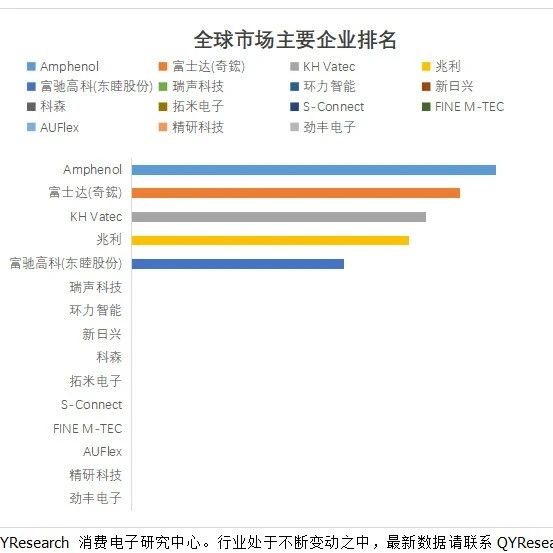
全球折叠屏手机铰链模块市场前15强生产商排名及市场占有率
QYResearch· 2025-07-16 09:00
Core Viewpoint - The article discusses the evolution and significance of hinge technology in foldable smartphones, highlighting the different types of hinges, their advantages and disadvantages, and the impact of material innovations on performance and cost [2][5][6]. Industry Perspective - Foldable hinge technology has undergone multiple iterations since the first commercial foldable phone was launched in 2019, leading to various technical routes and design philosophies [2]. - The main types of hinge technology include U-shaped hinges, waterdrop hinges, and other types, each with unique characteristics affecting crease control, thickness, cost, and durability [2]. U-Shaped Hinge - The U-shaped hinge, exemplified by the Samsung Galaxy Fold series, is a simpler and cost-effective design but suffers from significant drawbacks such as visible creases and potential screen damage over time [3]. - This hinge design has been criticized for allowing dust ingress and causing aesthetic issues due to gaps when closed [3]. Waterdrop Hinge - The waterdrop hinge, commonly used by domestic manufacturers like OPPO and Huawei, allows for a larger bending radius, reducing screen creases and providing a seamless closure [4]. - While offering advantages such as shallower creases and improved user experience, the complexity of the waterdrop hinge increases production costs and device thickness [4]. Evolution of Hinge Technology - The evolution of hinge technology reflects the transition of foldable smartphones from being merely functional to providing a better user experience, with advancements in materials and structural design [5]. - The latest innovation is Huawei's "Tiangong Hinge System," which supports both inward and outward folding, marking a new stage in hinge technology development [5]. Material Innovations - The performance of foldable hinges is closely tied to material selection, with advancements from traditional stainless steel to revolutionary liquid metal materials enhancing strength and fatigue resistance [6]. - Metal Injection Molding (MIM) is the mainstream choice for hinge manufacturing, while liquid metal offers superior properties, making it ideal for components requiring repeated folding [6]. Market Dynamics - The global foldable hinge market is projected to exceed $900 million in 2024, with a growth rate of nearly 5% [7]. - The introduction of tri-fold smartphones increases the number of required hinges, suggesting further market expansion [7]. - The market is characterized by high technical barriers, dense patent layouts, and a trend towards consolidation among leading companies [7]. Regional Distribution - Hinge manufacturers are primarily located in China and South Korea, with the U.S. excelling in design but less involved in manufacturing [8]. - Chinese companies are increasingly competitive across the entire supply chain, from materials to design and manufacturing [8]. Cost Structure - Hinges represent a significant incremental cost in foldable smartphones, with individual costs ranging from 800 to 1200 yuan, influenced by material choices and manufacturing complexity [8]. - Reducing hinge costs is crucial for the broader adoption of foldable smartphones, with potential improvements through material substitution and process enhancements [8]. Challenges in the Industry - The industry faces challenges such as reliance on foreign high-end materials and increasing competition, necessitating ongoing R&D investment [9]. - However, advancements in MIM technology and liquid metal by Chinese firms are enhancing the self-sufficiency of the supply chain [9]. Market Forecast - The global foldable hinge module market is expected to reach $1.82 billion by 2031, with a compound annual growth rate (CAGR) of 6.8% [10].