原油及其产品

Search documents
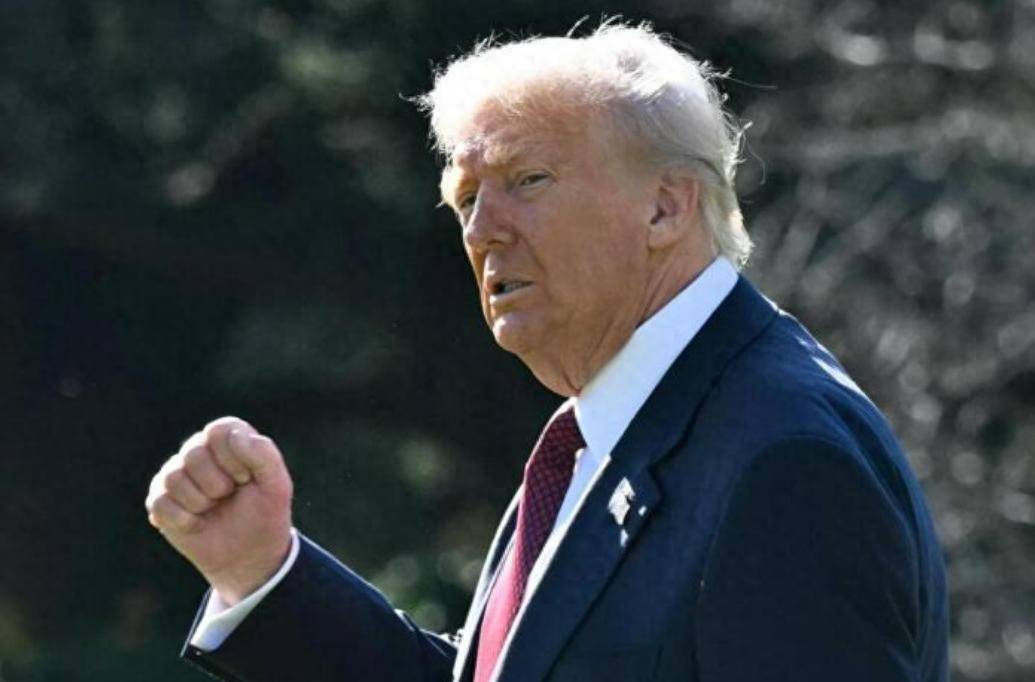
打击伊朗,美却对中方征税25%,特朗普打破关税休战承诺
Sou Hu Cai Jing· 2026-01-13 22:12
Core Viewpoint - The announcement by President Trump to impose a 25% tariff on countries doing business with Iran is seen as a strategic move that could significantly impact global trade dynamics, particularly affecting China as Iran's largest trading partner [1][3][9]. Group 1: Economic Impact - The immediate reaction to Trump's tariff announcement was a spike in international oil prices, reflecting market sensitivity to potential supply disruptions from Iran, which exports approximately 1.4 million barrels of oil daily [6]. - The imposition of tariffs could lead to increased costs for Chinese goods entering the U.S. market, thereby diminishing their competitiveness and potentially accelerating the process of "de-Americanization" or "multi-centering" in global supply chains [9]. - The uncertainty created by the tariff announcement serves as a powerful tool, compelling companies worldwide to reassess their business relationships with Iran and consider the risks of losing access to the U.S. market [4][6]. Group 2: Political Context - The timing of the tariff announcement coincided with a period of unrest in Iran, where protests against the government were met with a subsequent stabilization of the situation, leading to pro-government rallies [7]. - Analysts suggest that the U.S. military's cautious stance on direct military action against Iran may have influenced Trump's decision to apply economic pressure through tariffs instead [7]. - The announcement disrupts the recently established "trade truce" between the U.S. and China, highlighting the volatility and unpredictability of U.S. trade policies [9]. Group 3: Global Trade Relations - The tariffs represent a shift from traditional sanctions, which typically targeted Iranian assets or prohibited U.S. companies from trading with Iran, to a broader economic strategy that penalizes any country engaging in trade with Iran [4]. - Iran's government has condemned the tariffs as illegal "long-arm jurisdiction," warning of potential retaliatory actions against U.S. military bases in the Middle East [9]. - The unilateral nature of the U.S. tariffs poses a challenge to international trade norms, potentially leading to increased tensions in global economic relations as countries react to the new trade landscape [9].

欧盟如何兑现对美的天价承诺?专家:能源采购、投资和国防支出上都有挑战
Di Yi Cai Jing· 2025-08-24 09:46
Group 1: Trade Agreement Overview - The US and EU have announced a trade agreement framework, with the EU committing to purchase $750 billion worth of US energy products by 2028 and invest $600 billion in US strategic industries during the same period [1][6] - The agreement also includes increased military and defense equipment purchases from the US to enhance NATO defense cooperation [1][6] Group 2: Challenges in Energy Procurement - The ambitious target of $750 billion in energy purchases is deemed difficult to achieve, particularly due to the significant reliance on liquefied natural gas (LNG) exports from the US [3][4] - The US Energy Information Administration (EIA) projects that US energy exports to the EU will remain at $78.5 billion in 2024, necessitating a more than twofold increase in annual imports from the EU to meet the target [3][4] - Current LNG import capacity and infrastructure limitations pose significant challenges, as the US LNG export terminals are operating at full capacity and cannot double their output until 2030 [4] Group 3: Investment and Defense Spending Challenges - The framework indicates that EU companies are expected to invest an additional $600 billion in the US by 2028, but convincing private companies to invest in the US remains a challenge [6][7] - The EU's defense spending has been primarily directed towards external procurement, with 63% of defense spending flowing to the US [6][7] - The EU's long-term budget proposal aims to increase defense and aerospace spending significantly, raising questions about the compatibility of this with the new trade agreement [7][8]