
能源贸易

Search documents
北方国际(000065):积极重视三重催化叠加
Changjiang Securities· 2026-03-22 10:44
Investment Rating - The investment rating for the company is "Buy" and it is maintained [9]. Core Insights - The report emphasizes the importance of three catalysts for the company: the upward trend in European energy prices, the recovery of domestic coking coal prices, and the strong theme of regional conflicts [2][6]. - The report highlights the potential earnings elasticity from the company's Croatia wind power project, which has shown significant electricity generation amid rising energy prices in Europe [12]. - The recovery of coking coal prices is expected to enhance the company's performance, as recent market trends indicate a strong expectation of supply tightening [12]. - The company has demonstrated significant sensitivity to changes in the Middle East geopolitical landscape, with past events leading to substantial stock price increases [12]. - The company secured new contracts worth $1.01 billion in 2025, indicating robust order backlog and operational resilience [12]. Summary by Sections Market Context - The global energy supply chain is increasingly disrupted due to regional conflicts, leading to a confirmed upward trend in European energy prices [2][6]. Financial Performance - The company reported total revenue of 19.08 billion yuan in 2024, with projections of 15.10 billion yuan for 2025, reflecting a decrease [16]. - The net profit for 2024 is projected at 1.03 billion yuan, with an expected increase to 1.31 billion yuan by 2026 [16]. Operational Highlights - The company has integrated operations in Mongolia, achieving significant coal sales and logistics performance, with a total coal sales volume of 4.48 million tons [12]. - The company is actively pursuing commercial operations for its coal-fired power projects in Bangladesh, which are expected to contribute to future profitability [12].

电车战略变动计提巨额损失,本田股价“崩了”;英伟达将投资260亿美元开发AI大模型;国际油价涨破100美元后回调|美股盘前
Mei Ri Jing Ji Xin Wen· 2026-03-12 11:19
Group 1 - Major stock indices futures declined, with Dow futures down 0.77%, S&P 500 futures down 0.63%, and Nasdaq futures down 0.63% [1] - Morgan Stanley restricted redemptions for a private credit fund to 5% of circulating units due to increased investor withdrawal concerns, resulting in a 2.11% drop in the company's stock [1] - Tesla's energy division received a power supply license from the UK energy regulator, allowing it to supply electricity to homes and businesses across the UK, with the stock down 0.15% [1] Group 2 - Three major international chip design firms, Texas Instruments, NXP, and Infineon, announced price increases effective April 1, impacting the automotive and industrial electronics sectors, with Texas Instruments stock down 0.66% [2] - International oil prices experienced fluctuations, with Brent crude reaching a peak of $101.59 per barrel before settling at $98.86, as the IEA reported a reduction in global oil supply by 8 million barrels per day [2] Group 3 - NVIDIA plans to invest $26 billion over the next five years to develop open-source AI models, with the first models expected to be available by late 2026 to early 2027, while the stock decreased by 0.7% [3] - Honda announced the cancellation of three planned electric vehicle models in North America, leading to an estimated loss of approximately $15.73 billion, causing the stock to drop by 7.88% [3] - Google is splitting its fiber internet division and merging it with Astound, retaining only a minority stake in the new company, with the stock down 0.76% [3] Group 4 - Shell announced a force majeure on LNG cargo sales from Qatar after the Qatar Energy Company halted production at its LNG facility, resulting in a 0.4% decline in Shell's stock [4]

中美局势要变天!莫迪通知全球,对美打响第一枪,携30多国齐上阵
Sou Hu Cai Jing· 2026-02-25 10:11
Core Viewpoint - The U.S. Supreme Court ruled that the tariffs imposed by the Trump administration were illegal, undermining the legal basis for using tariffs as a tool for international pressure [3][7][9]. Group 1: Legal and Political Implications - The Supreme Court's decision effectively dismantled the legal foundation of the "tariff stick" that Trump used to pressure other countries, declaring that the use of the International Emergency Economic Powers Act (IEEPA) for imposing tariffs was an overreach of presidential authority [5][9]. - Following the ruling, the White House attempted to invoke the Trade Act of 1974 to impose a new 10% tariff on all imports, which was quickly raised to 15%, but this measure has a built-in time limitation of 150 days without Congressional approval [11][13]. Group 2: International Reactions - Countries began to reassess their trade relationships with the U.S. after the legal ruling, with India being the first to publicly clarify that its energy procurement policies would not change due to U.S. pressure [16][18]. - India canceled a planned trade delegation to the U.S., indicating a shift in negotiations and a desire to reassess previously agreed terms under duress from U.S. tariffs [20][22]. Group 3: Economic Impact - The U.S. GDP growth rate for 2025 is projected at only 2.2%, with households bearing the burden of tariffs, averaging an additional cost of $1,700 per family due to increased prices on various goods [25][27]. - Industries reliant on global supply chains, such as semiconductors and automotive manufacturing, faced significant layoffs due to rising costs from tariffs, with over 80,000 jobs lost in 2025 [27]. Group 4: Future Outlook - The U.S. Trade Representative expressed concerns about China potentially taking advantage of the situation, reflecting a sense of vulnerability in U.S. trade policy [29][30]. - The upcoming expiration of the temporary tariff measures and the potential for high-level talks between the U.S. and China will be critical in determining the future of U.S. trade policy and its global standing [34].

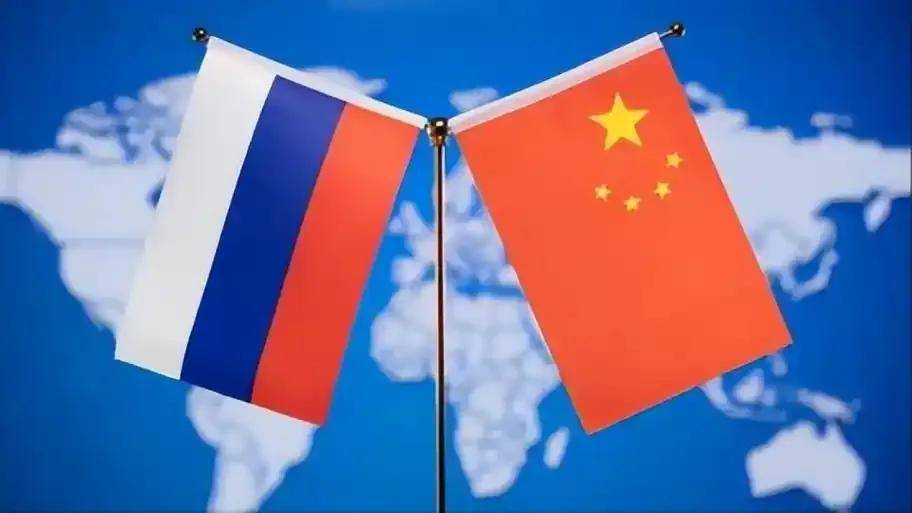
俄发了狠,五常里只有一国没入局,美国媒体突然注意到:邻居正悄悄抄底?
Sou Hu Cai Jing· 2026-02-23 07:25
Group 1 - The core viewpoint of the articles highlights the strategic energy cooperation between two nations, which is mischaracterized by some Western media as "bottom-fishing" behavior, ignoring the long-term partnership established during peacetime [1][3] - Trade data indicates that energy cooperation between the two parties has seen explosive growth, with trade volume expected to exceed $245 billion in 2024 [1] - In 2023, the partner imported over 100 million tons of crude oil from Russia, making it the largest energy supplier to the partner [1] - Despite fluctuations in Russian energy production in 2024, the supply to the partner remains stable, with resources originally intended for Europe being redirected to the cooperation area [1] - This stable energy supply has effectively reduced industrial production costs for the partner, providing strong support for manufacturing development [1] Group 2 - The articles suggest that the rapid rise of emerging powers in the East has prompted concern from U.S. officials, who express jealousy and worry over this mutually beneficial cooperation [3] - The long-term trade contracts established during peacetime not only ensure energy security for both parties but also lay a solid foundation for regional economic stability and development [3]
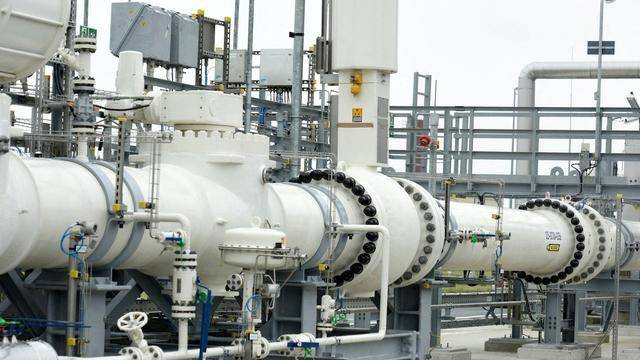
俄罗斯向东看,只是权宜之计?看懂中俄能源合作的底层逻辑
Sou Hu Cai Jing· 2026-02-22 08:58
Core Viewpoint - The energy cooperation between Russia and China is not merely a temporary measure but a long-term strategic partnership driven by mutual needs and interests [1][2][4] Group 1: Russia's Perspective - Russia's "Look East" strategy is a long-term plan accelerated by Western sanctions, as the country seeks new markets after Europe cut off energy imports due to the Ukraine conflict [1] - Historically, Russia's economy has heavily relied on energy exports, primarily to Europe, making the shift to China a necessity rather than a choice [1] Group 2: China's Perspective - As the world's largest energy importer, China has a critical need for stable energy supplies, which Russia can provide due to its proximity and abundant resources [1] - China's previous reliance on the Middle East for energy imports posed risks due to regional instability, making Russia a more secure and cost-effective partner [1] Group 3: Strategic Cooperation - In 2023, the energy trade between Russia and China exceeded $200 billion, with Russia becoming China's largest source of oil and gas [1] - The construction of stable energy transport infrastructure, such as the East Route Gas Pipeline and oil pipelines, ensures a reliable energy supply for China [1] - China is also providing technological and financial support to Russia, enhancing energy resource development and transportation infrastructure [1] Group 4: Long-term Commitment - The energy partnership is a crucial pillar for both countries to withstand external pressures and maintain their core interests [2] - Concerns about Russia abandoning China for Europe post-sanctions are unfounded, as the cooperation has deepened through long-term agreements and significant investments [2][4] - The strategic trust between Russia and China has reached unprecedented levels, with collaboration extending beyond energy to political, military, and economic domains [2]
中国人正在过年,俄对欧洲发出通牒:可能采取报复措施!
Sou Hu Cai Jing· 2026-02-22 05:27
Group 1 - Russia has issued a strong warning to Europe, indicating potential military retaliation if European nations continue to seize Russian vessels [1][3] - The warning reflects a shift from economic sanctions to gunboat diplomacy, with Russia emphasizing the importance of naval power in geopolitical struggles [3][5] - The ongoing conflict between Russia and Ukraine has led to a significant deterioration in Russia-Europe relations, impacting energy supply and trade [5][7] Group 2 - Europe is responding to security concerns by increasing defense budgets and military cooperation, moving from a passive to an active role in security provision [7] - The relationship between Russia and Europe is evolving from cooperation to confrontation, indicating a long-term strategic shift that is unlikely to be reversed easily [7] - The geopolitical landscape is becoming increasingly complex, with both sides reinforcing their military capabilities in response to perceived threats [5][7]
美国逼急了中国也逼反了中国,美国将自食其果
Sou Hu Cai Jing· 2026-02-15 15:12
Group 1 - The U.S. has imposed escalating tariffs on Chinese goods, starting with a 10% tariff in early 2025, which later increased to 20% and even higher, aiming to control China's rapid development [2] - In response, China halted imports of U.S. soybeans, redirecting its supply to Brazil and Argentina, while domestic soybean cultivation increased to compensate for the loss [3] - China has begun to settle a portion of its iron ore trade with Australia in RMB, with 30% of spot trades expected to be conducted in this currency starting in Q4 [3] Group 2 - China's import channels for crude oil from the Middle East and Africa are gradually shifting towards RMB, and port fees for U.S. vessels have been increased [5] - The Chinese government has implemented stricter controls on rare earth exports, affecting all companies using Chinese rare earth materials, which are critical for various industries [5] - The semiconductor sector has seen an increase in exports of mature process chips, with significant contributions from companies like Nvidia and Qualcomm, despite U.S. restrictions [5] Group 3 - The U.S. is experiencing domestic economic challenges due to the tariffs, with rising prices leading to increased costs for families and farmers, and a decline in factory orders [8] - China's trade partnerships have diversified, with stable supplies from Brazil, Argentina, and Russia, while the domestic agricultural sector has expanded [8] - The share of RMB in global trade settlements is gradually increasing, indicating a shift towards a more balanced international trading system [8][10] Group 4 - The global trade landscape is changing, with the U.S. facing consequences from its unilateral tariff actions, leading to increased costs for consumers and businesses [10][11] - China's countermeasures are not aimed at retaliation but rather at protecting its development space, demonstrating resilience against U.S. pressure [11] - The situation illustrates that unilateralism is ineffective, and a cooperative approach is essential for sustainable global trade [11]

美国近年对中国一带一路沿线实施海陆围堵战略造成中国经贸和能源损失
Sou Hu Cai Jing· 2026-02-13 05:56
Group 1 - The core viewpoint of the article highlights the deep execution phase of the U.S. strategy to "encircle and blockade" China along the Belt and Road Initiative, aiming to sever China's energy and trade connections with Eurasia through military deployment, economic sanctions, and technological blockades [2][3]. Group 2 - The U.S. blockade strategy encompasses both maritime and land-based actions, including military presence in key maritime chokepoints like the Strait of Malacca and the Panama Canal, creating risks for China's maritime trade and energy imports [3]. - On land, the U.S. employs tactics such as the "Blue Dot Network" to undermine China's infrastructure projects and energy pipelines, thereby obstructing initiatives like the China-Kyrgyzstan-Uzbekistan railway and the Caspian oil and gas pipeline [3]. Group 3 - The blockade has led to significant impacts on China's energy imports, with a drastic reduction in crude oil imports from the U.S. expected to drop to an average of 38,350 barrels per day by 2025, an 84% decrease from 2024 [5]. - Overall crude oil imports for China are projected to decline by 1.9% in 2024, reflecting the indirect impact of U.S. sanctions on China's energy market [5]. Group 4 - Shipping costs have surged dramatically due to U.S. interference in key shipping routes, with freight rates increasing by 200% and insurance costs rising tenfold, posing severe threats to China's energy security and international trade [7]. - The trade volume with the U.S. has also decreased, with key imports like soybeans (21 million tons) and cotton (875,700 tons) seeing a significant drop, leading to an overall impact of approximately $162 billion on China's import figures [7]. Group 5 - In response to the U.S. blockade, China is diversifying its energy sources, reducing reliance on Middle Eastern oil (previously around 80%) and increasing imports from Russia and Africa, as well as utilizing the Arctic shipping routes [8]. - China is also developing land and digital trade routes, enhancing energy cooperation through initiatives like the "Land Silk Road" and "Digital Silk Road" to ensure the security of energy and trade [8]. - Strengthening strategic partnerships, particularly with Russia, is a key focus for China, aiming to elevate cooperation in energy, food, finance, and technology to mitigate external risks [8].
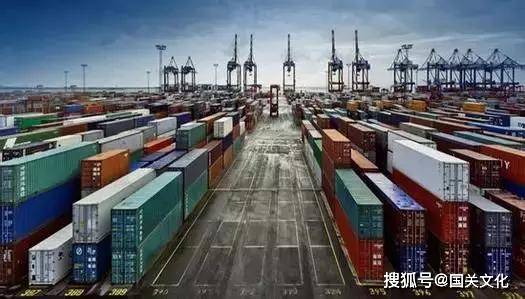
2025年阿根廷能源贸易顺差创新高
Shang Wu Bu Wang Zhan· 2026-01-31 04:00
Core Insights - In 2025, Argentina's energy product export value is projected to reach $11.086 billion, representing a year-on-year increase of 12.8% [1] - The import value is expected to decline by 18% to $3.271 billion, resulting in a trade surplus of $7.815 billion, which is a historical high [1] - The energy product imports have decreased for the third consecutive year, accounting for approximately 0.5% of GDP, while exports represent about 1.5% of GDP [1] - The energy sector is anticipated to continue playing a significant role this year, emerging as a new export engine alongside agricultural products [1]
胜通能源:更正前期会计差错并追溯调整
2 1 Shi Ji Jing Ji Bao Dao· 2026-01-23 08:54
Core Viewpoint - The company will correct accounting errors in its financial reports for 2024-2025 using retrospective restatement, as mandated by the China Securities Regulatory Commission [1] Group 1: Accounting Corrections - The company received a decision from the Shandong Regulatory Bureau of the China Securities Regulatory Commission regarding the need to correct accounting errors in its financial reports for 2024 and 2025 [1] - The errors were due to the recognition of revenue using the gross method for certain trade transactions, which does not comply with the relevant accounting standards [1] - The main accounting items affected by the correction are operating revenue and operating costs [1] Group 2: Financial Impact - The adjustments will not affect the net profit for the reporting periods, with net profit adjustments reported as 0 for 2024, 0 for the first half of 2025, and 0 for the third quarter of 2025 [1] - The correction will only reduce operating revenue and operating costs, without impacting total assets, total liabilities, net assets, net profit, or cash flow from operating activities [1] - The company clarified that the correction will not change the nature or amount of profit or loss disclosed in its periodic reports [1]