口服核苷类药物VV116

Search documents
国家疾控局:我国尚未发现尼帕病毒病病例,请不必过度恐慌
Xin Lang Cai Jing· 2026-01-28 19:57
Core Viewpoint - The outbreak of Nipah virus in India has raised global concerns, but China has not reported any cases and urges the public not to panic [1][4]. Group 1: Nipah Virus Overview - Nipah virus is a zoonotic RNA virus primarily carried by fruit bats and pigs, with a mortality rate ranging from 40% to 75% and an incubation period of 4 to 14 days [1]. - There is currently no specific vaccine or effective treatment for Nipah virus, and management focuses on symptom control and supportive care [1][4]. Group 2: Current Situation in India - As of January 24, five cases of Nipah virus infection have been reported in West Bengal, India, including two nurses who treated a deceased woman showing symptoms consistent with Nipah virus infection [1]. - Investigations revealed that while no Nipah virus was found in bats in the area, antibodies indicating past exposure to the virus were detected in one bat [1]. Group 3: China's Response - The National Health Commission of China has stated that the Nipah virus outbreak in India poses a relatively low risk to China, as there is no land border with the affected area [2]. - China has enhanced monitoring and prevention measures, including training healthcare professionals and strengthening response capabilities at border areas [4]. Group 4: Research Developments - Recent research from the Wuhan Institute of Virology has confirmed that the oral nucleoside drug VV116 shows significant antiviral activity against Nipah virus, providing new hope for treatment [5]. - VV116 could serve as a preventive medication for high-risk groups such as healthcare workers and laboratory personnel, offering a potential option for current and future Nipah virus outbreaks [6].


印度尼帕病毒爆发,死亡率极高,会波及中国么?
虎嗅APP· 2026-01-28 10:41
Core Viewpoint - The article discusses the emergence of the Nipah virus in India, highlighting its high fatality rate and potential for human-to-human transmission, raising concerns about its spread and impact on public health systems [4][6][21]. Group 1: Virus Characteristics - The Nipah virus is classified as a high-risk pathogen, capable of causing severe respiratory illness and encephalitis, with symptoms ranging from mild fever to severe neurological impairment [9][11]. - The natural host of the Nipah virus is fruit bats, particularly the flying fox, which do not exhibit symptoms of the virus [10]. - Transmission to humans can occur through contaminated food or direct contact with infected animals, leading to rapid and severe health deterioration [11][21]. Group 2: Current Situation and Response - As of now, India has reported at least five confirmed cases of Nipah virus, with one nurse in critical condition [6][21]. - There is currently no approved antiviral treatment or vaccine for the Nipah virus, although recent research indicates that the oral nucleoside drug VV116 shows significant antiviral activity against it [16][20]. - The World Health Organization has classified the Nipah virus as a biosafety level 4 pathogen, similar to the Ebola virus, necessitating rapid public health responses to any confirmed cases [22]. Group 3: Public Health Implications - The fatality rate of the Nipah virus ranges from 40% to 75%, with some outbreaks reporting rates as high as 100%, placing it among the deadliest viruses globally [21]. - Preventive measures focus on avoiding contact with fruit bats and contaminated food, as well as strict hygiene practices in outbreak areas [22]. - Neighboring countries, such as Nepal, have increased health monitoring at borders in response to the outbreak, reflecting a proactive approach to infectious disease control [22][23]. Group 4: Geographic Distribution and Risk Assessment - The Nipah virus has been reported in several countries, including Malaysia, Singapore, the Philippines, Bangladesh, and India, but the distribution of fruit bats suggests a broader potential risk [26][27]. - While there is concern about the virus spreading to China, current assessments indicate that the risk of large-scale transmission remains low, although vigilance is necessary due to the presence of fruit bat populations in southern China [28].
港股异动丨旺山旺水拉升涨近15%创上市新高,口服核苷药物VV116被证实对尼帕病毒有显著抗病毒活性
Ge Long Hui· 2026-01-27 02:50
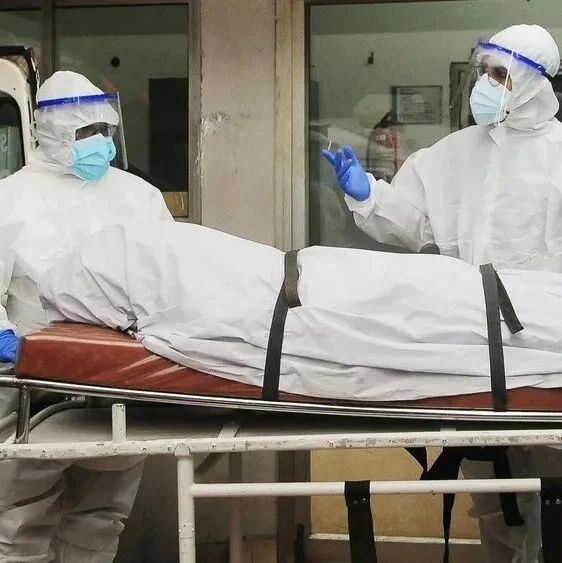
Core Viewpoint - The stock of Wangshan Wangshui-B (2630.HK) surged nearly 15% to reach a historical high of HKD 112.7, with a market capitalization exceeding HKD 18.9 billion, following the announcement of significant research on the oral nucleoside drug VV116 for treating Nipah virus infection [1][2]. Group 1: Company Developments - Wangshan Wangshui Biopharmaceutical Co., Ltd. has collaborated with researchers from the Wuhan Institute of Virology and the Shanghai Institute of Materia Medica to publish important findings on VV116, demonstrating its significant antiviral activity against the Nipah virus [1]. - The research indicates that VV116 could serve as a preventive medication for high-risk groups such as healthcare workers and laboratory personnel, providing a ready option for addressing current and future Nipah virus outbreaks [1]. Group 2: Product Information - The oral nucleoside drug VV116 was developed collaboratively by the Shanghai Institute of Materia Medica and Junshi Biosciences, with ownership held by Shanghai Wangshi Biopharmaceutical Technology Co., Ltd. and production entrusted to Shanghai Diseno Biopharmaceutical Co., Ltd. [2]. - Wangshi Biopharmaceutical is a joint subsidiary of Junshi Biosciences' subsidiary Shanghai Juntao Biopharmaceutical Technology Co., Ltd. and Suzhou Wangshan Wangshui Biopharmaceutical Co., Ltd. [2].