
口服避孕药

Search documents
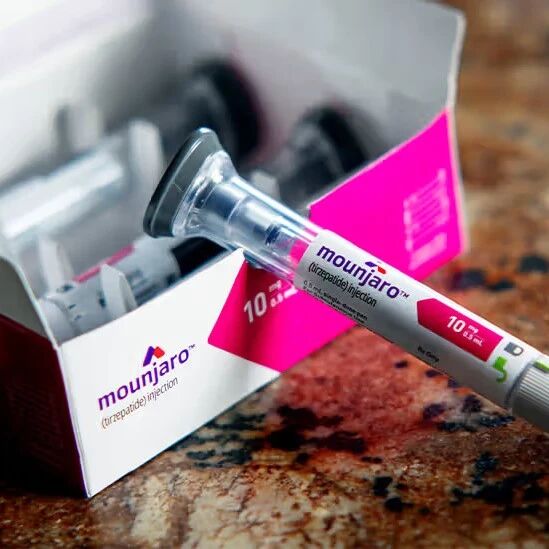
速递|替尔泊肽等GLP-1药物妊娠期禁用再被强调!澳大利亚更新避孕用药警示
GLP1减重宝典· 2026-01-22 11:06
Core Viewpoint - The article discusses the recent update by the Therapeutic Goods Administration (TGA) in Australia regarding the medication Tirzepatide, emphasizing the importance of safety guidelines for its use among women of childbearing age, particularly in relation to oral contraceptives [4][6]. Group 1: Medication Overview - Tirzepatide is a dual-target agonist for glucose-dependent insulinotropic polypeptide (GIP) and glucagon-like peptide-1 (GLP-1), approved for treating type 2 diabetes (T2DM), long-term weight management, and metabolic-related diseases [4]. - It has rapidly become one of the fastest-growing innovative drugs globally in terms of prescription volume due to its significant efficacy in glucose reduction, weight loss, and metabolic improvement [4]. Group 2: Regulatory Changes - The TGA's update includes specific recommendations for women using Tirzepatide alongside oral contraceptives, advising the use of non-oral contraceptive methods or additional barrier methods during the first four weeks of treatment and after each dose increase [7]. - This update follows a systematic assessment by international regulatory bodies regarding the potential risks associated with the expanded use of GLP-1 receptor agonists, particularly concerning reproductive safety and pregnancy risks [6][7]. Group 3: Global Regulatory Trends - The TGA's decision reflects a broader trend in regulatory practices as GLP-1 drugs transition from being viewed primarily as weight loss medications to long-term chronic disease management tools, indicating a shift towards more refined risk management [7]. - As the user population expands, regulatory requirements concerning reproductive safety and long-term medication effects are expected to tighten and become more detailed in various countries [7].

面对多囊,我们有妙招
Xin Lang Cai Jing· 2026-01-08 16:57
Core Insights - Polycystic Ovary Syndrome (PCOS) is a complex gynecological endocrine metabolic disorder affecting approximately 14% to 19% of women globally, with implications extending from reproductive health to metabolic and psychological well-being [1] Summary by Sections Definition and Symptoms - PCOS is characterized by irregular menstruation, hyperandrogenism, metabolic abnormalities, obesity, infertility, increased early miscarriage rates, acanthosis nigricans, and emotional disorders in some patients [2] - The exact etiology of PCOS remains unclear, but it is believed to be influenced by genetic factors, lifestyle, and environmental conditions [2] Misconceptions - Common misconceptions include the belief that irregular menstruation can only be treated with traditional Chinese medicine, that thin individuals cannot have PCOS, and that having PCOS equates to infertility [2] Management and Treatment - While PCOS cannot be completely cured, early diagnosis, standardized treatment, and self-management can help control symptoms and prevent complications [3] - Comprehensive treatment includes healthy diet, regular lifestyle, and medication management, with options such as oral contraceptives, insulin sensitizers like metformin, and anti-androgens [4] Expert Commentary - The article effectively clarifies the distinction between "ovarian cystic changes" and "PCOS," addressing common clinical misconceptions and providing a comprehensive overview of symptoms and treatment strategies [5]