多囊卵巢综合征(PCOS)

Search documents
面对多囊,我们有妙招
Xin Lang Cai Jing· 2026-01-08 16:57
Core Insights - Polycystic Ovary Syndrome (PCOS) is a complex gynecological endocrine metabolic disorder affecting approximately 14% to 19% of women globally, with implications extending from reproductive health to metabolic and psychological well-being [1] Summary by Sections Definition and Symptoms - PCOS is characterized by irregular menstruation, hyperandrogenism, metabolic abnormalities, obesity, infertility, increased early miscarriage rates, acanthosis nigricans, and emotional disorders in some patients [2] - The exact etiology of PCOS remains unclear, but it is believed to be influenced by genetic factors, lifestyle, and environmental conditions [2] Misconceptions - Common misconceptions include the belief that irregular menstruation can only be treated with traditional Chinese medicine, that thin individuals cannot have PCOS, and that having PCOS equates to infertility [2] Management and Treatment - While PCOS cannot be completely cured, early diagnosis, standardized treatment, and self-management can help control symptoms and prevent complications [3] - Comprehensive treatment includes healthy diet, regular lifestyle, and medication management, with options such as oral contraceptives, insulin sensitizers like metformin, and anti-androgens [4] Expert Commentary - The article effectively clarifies the distinction between "ovarian cystic changes" and "PCOS," addressing common clinical misconceptions and providing a comprehensive overview of symptoms and treatment strategies [5]
STTT:黄荷凤院士团队发现多囊卵巢综合征治疗新靶点
生物世界· 2025-11-20 10:18
Core Viewpoint - The study identifies pyruvate kinase M2 (PKM2) as a transcriptional regulator contributing to polycystic ovary syndrome (PCOS), highlighting its potential as a therapeutic target [4][7]. Group 1: Research Findings - The research team discovered that elevated lactylation levels of histone H3 at lysine 9/18 (H3K9/K18) are associated with PKM2 and genomic binding, altering the three-dimensional structure of the genome [4]. - In mice, ectopic expression of Pkm2 in follicular granulosa cells consistently exhibited PCOS-like characteristics, such as disrupted estrous cycles and hyperandrogenism [5]. - Pharmacological inhibition of PKM2 aggregation in the nucleus alleviated PCOS-like symptoms in mice and restored the transcriptome to wild-type levels [5]. Group 2: Implications - The study emphasizes the significant role of PKM2-mediated histone lactylation in regulating three-dimensional chromatin structure, suggesting its potential as a therapeutic target for PCOS [7].

Nature Genetics:我国学者绘制全球多囊卵巢综合征精细遗传图谱
生物世界· 2025-11-15 01:06
Core Insights - The article discusses a significant study on Polycystic Ovary Syndrome (PCOS), revealing a detailed genetic map and identifying 94 independent genetic loci, including 73 previously unreported loci [2][5][6] - The research highlights the genetic overlap between Chinese and European populations despite different evolutionary pressures, providing insights into the metabolic and reproductive drivers of PCOS [5][6] Genetic Findings - The study involved a genome-wide association study (GWAS) of 12,419 Chinese PCOS patients and 34,235 controls, followed by a meta-analysis with 13,773 European cases and 411,088 controls [5] - A specific missense mutation (rs10407022) in the AMH gene was found to have a stronger effect in East Asian populations, potentially linked to increased follicle count and elevated androgen levels in PCOS patients [5] Pathological Mechanisms - Gene enrichment analysis indicated that PCOS-related genes are significantly enriched in the PPARG signaling pathway, with single-cell RNA sequencing data showing active expression in ovarian granulosa cells, underscoring their importance in PCOS development [5][6] Drug Discovery and Treatment Strategies - The study utilized a genetics-driven approach to identify multiple drug targets (e.g., GATA4, HOXD3) and opportunities for drug repurposing (e.g., betaine, telmisartan, atazapine), paving the way for personalized treatment strategies [5][6] Future Directions - The findings provide a foundation for further functional experiments, clinical translation, and individualized treatment approaches for PCOS, with the potential for precise prevention and treatment in the future [6]

Nature Medicine:陈子江院士领衔,建立多囊卵巢综合征分型体系,并揭示各亚型的生殖和代谢结局差异
生物世界· 2025-10-30 10:30
Core Viewpoint - The article discusses a groundbreaking study on Polycystic Ovary Syndrome (PCOS), identifying four distinct subtypes through AI-driven analysis, which can significantly enhance clinical diagnosis and treatment options for affected women [2][3][6]. Summary by Sections Study Overview - A research team led by Chen Zijiang from Shandong University published a study in Nature Medicine, collaborating with 11 international teams, focusing on the clinical outcomes associated with different PCOS subtypes [2][3]. Identification of Subtypes - The study identified four PCOS subtypes: 1. High Androgen PCOS (HA-PCOS) 2. Obesity PCOS (OB-PCOS) 3. High SHBG PCOS (SHBG-PCOS) 4. High LH/AMH PCOS (LH-PCOS) - This classification was based on nine clinical indicators derived from a large dataset of 11,908 PCOS patients [3][7][9]. Clinical Implications - The research revealed significant differences in reproductive and metabolic outcomes among the identified subtypes, providing evidence for more personalized treatment approaches [3][10]. - The study highlighted that women with PCOS are three times more likely to be obese and have a fourfold increased risk of developing type 2 diabetes before age 40 [5]. Tools for Clinical Application - The research team developed two practical tools, PcosX and a WeChat mini-program for subtype prediction, aimed at facilitating the application of their findings in clinical settings [12]. Longitudinal Findings - A 6.5-year follow-up showed varying reproductive and metabolic trajectories among the subtypes, with HA-PCOS patients experiencing the highest mid-pregnancy loss risk and OB-PCOS patients facing the most severe metabolic complications [10][11]. Validation of Findings - The subtypes demonstrated strong validation across diverse populations, indicating the robustness and applicability of the new classification system [9].

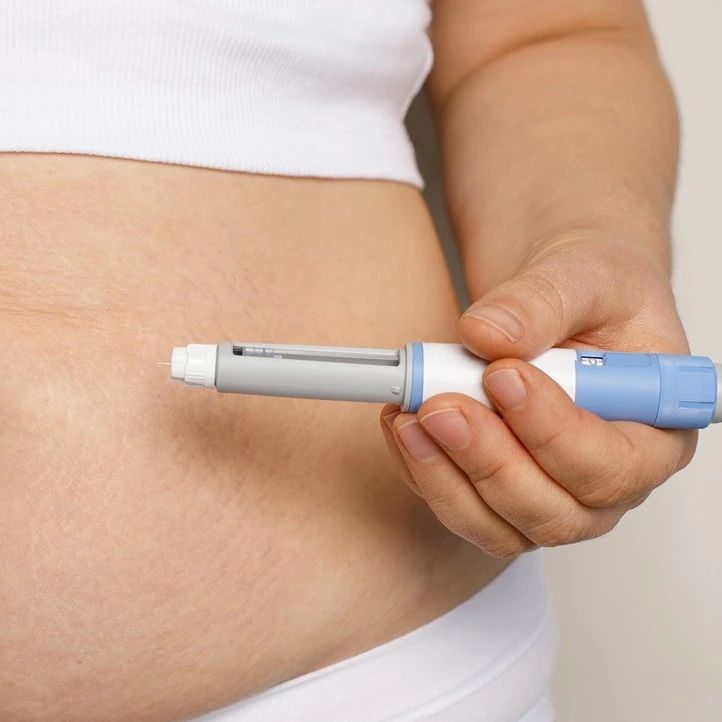
速递|女性福音!司美格鲁肽在缓解多囊卵巢综合征PCOS展现潜力
GLP1减重宝典· 2025-07-27 03:13
Core Viewpoint - GLP-1 receptor agonists show promise in alleviating symptoms related to Polycystic Ovary Syndrome (PCOS), such as irregular menstruation and weight gain, despite not being FDA-approved for this indication yet [2][5]. Group 1: GLP-1 Receptor Agonists and PCOS - Clinical data indicates that patients with PCOS treated with semaglutide experience significant weight loss and symptom improvement, with fewer adverse reactions [2][6]. - Women with PCOS report benefits from GLP-1 drugs like semaglutide (Wegovy) and tirzepatide (Zepbound), including restored menstrual cycles, reduced pain, and improvements in weight, anxiety, depression, and even hair loss [2][5]. - A study published in 2023 evaluated semaglutide's effects on 27 obese women with PCOS, showing an average weight loss of 7.6 kg and a 3.1 decrease in BMI after three months [5][6]. Group 2: PCOS Overview and Treatment - PCOS is a hormonal disorder affecting ovarian function, characterized by irregular menstruation, elevated androgen levels, and polycystic ovaries, potentially leading to fertility issues, hair loss, weight gain, and acne [4]. - There is a significant unmet need for effective PCOS treatments, as the primary treatment methods have remained unchanged for nearly 50 years [5]. - Early diagnosis and intervention are crucial due to the risk of insulin resistance and related complications, including cardiovascular disease and type 2 diabetes [5]. Group 3: Research and Future Directions - Further large-scale and long-term studies are needed to understand the comprehensive effects of GLP-1 drugs on PCOS symptoms, including potential differences in efficacy across age groups and drug types [7]. - Accessibility to these medications remains a challenge, as insurance may not cover their use for non-approved indications, particularly during drug shortages or policy changes [7].