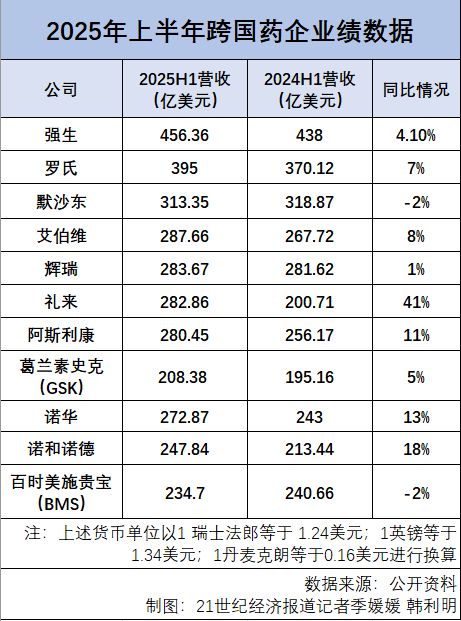
可瑞达(Keytruda

Search documents
打破美日垄断!中国PD-1抗癌药强势崛起,叫板BMS、默沙东等跨国龙头药企
Ge Long Hui· 2026-02-27 01:35
Core Insights - The introduction of PD-1 inhibitors in 2014 marked a significant turning point in the fight against cancer, with Bristol-Myers Squibb's Opdivo and Merck's Keytruda leading the charge in immunotherapy [1][3] - The competition between Opdivo and Keytruda has evolved over the years, with Keytruda ultimately becoming the top-selling drug globally by 2024 [21][22] Historical Context - The history of cancer immunotherapy began with William Coley's discovery in the late 19th century, which was followed by a long period of stagnation until the late 20th century when key immune cells were identified [4] - The discoveries of James Allison and Tasuku Honjo regarding CTLA-4 and PD-1, respectively, laid the groundwork for the development of PD-1 inhibitors [5][10] Drug Development - Opdivo was developed with strong backing from Bristol-Myers Squibb after acquiring Medarex in 2009, leading to its approval in Japan in 2014 [12] - Keytruda's development faced initial setbacks but was revitalized by Merck's strategic decision to conduct an unprecedented "super I phase" trial, leading to its approval shortly after Opdivo [14][15][16] Market Dynamics - In 2016, a critical competition occurred between Opdivo and Keytruda in the non-small cell lung cancer (NSCLC) market, which is the largest segment in oncology [17] - BMS's failure in the CheckMate-026 trial led to a significant drop in Opdivo's market position, while Merck's more selective approach in the KEYNOTE-024 trial resulted in Keytruda's success [18][19][20] Sales Performance - By 2024, Keytruda's sales reached $29.5 billion, marking an 18% increase and solidifying its position as the top-selling drug globally [21] - Opdivo, while still a major player, saw its sales decline but remained above the $10 billion mark, maintaining its status as a heavyweight in the market [22][23] Competitive Landscape - The global PD-1 inhibitor market is highly competitive, with 527 candidates in development as of early 2025, including 20 approved drugs [26][29] - In China, the market is characterized by intense competition among local manufacturers, with significant price reductions due to national healthcare negotiations [30][31] Future Outlook - Keytruda's core patent is expected to expire in 2028, potentially leading to a significant drop in sales as biosimilars enter the market [32] - A new challenger, Ivonescimab, has shown superior efficacy compared to Keytruda in clinical trials, indicating a shift towards dual-target therapies in cancer treatment [33][35]




跨国药企半年报:冰火两重天,创新突围战打响
2 1 Shi Ji Jing Ji Bao Dao· 2025-08-12 06:12
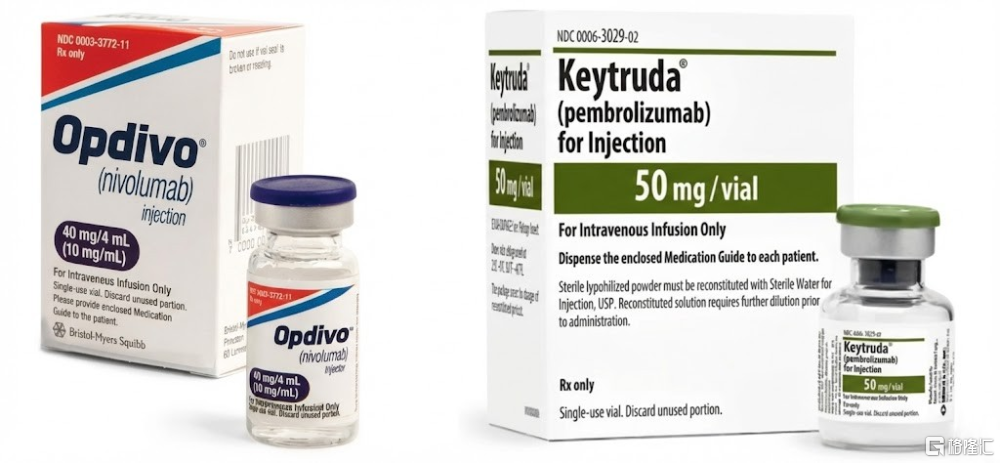
Core Insights - The global pharmaceutical industry is experiencing a bifurcation in performance, with some companies achieving strong results while others face declines due to patent expirations, increased competition, and regulatory pressures [1][4][20] - Major pharmaceutical companies are transitioning from a high-growth phase to a new competitive stage focused on innovation and strategic focus [1][4] Financial Performance - Johnson & Johnson leads with a revenue of $45.636 billion in H1 2025, the only company to surpass $40 billion [2] - Eli Lilly and Novo Nordisk show significant growth, with Eli Lilly's revenue increasing by 41% to $28.286 billion and Novo Nordisk's by 18% to $24.784 billion, driven by GLP-1 drugs [2][15] - Merck and Bristol-Myers Squibb (BMS) report declines, with BMS's revenue down 2% to $23.470 billion, primarily due to a 17% drop in legacy products [2][6] Strategic Adjustments - Companies are optimizing product structures and adjusting strategies to regain growth, with BMS increasing its revenue guidance to $46-47.5 billion for 2025 [6][8] - Merck has initiated a multi-year optimization plan aiming for $3 billion in annual savings by 2027, including workforce reductions and real estate optimization [8][10] - The industry is witnessing a trend of mergers and acquisitions as companies seek to bolster their pipelines amid patent expirations [21][22] Innovation and Product Focus - The GLP-1 class of drugs is emerging as a key growth driver, with sales expected to exceed $17 billion by 2031, reflecting a compound annual growth rate of 15.6% [14][15] - BMS and other companies are focusing on high-potential products, with BMS's growth products generating $12.159 billion, a 17% increase [6][7] - Companies are increasingly prioritizing high-return investment areas and optimizing their R&D pipelines to enhance operational efficiency [4][9][10] Market Dynamics - The impending "patent cliff" is expected to impact over 133 drugs, with a potential revenue loss of $350 billion for major pharmaceutical companies [20] - The competitive landscape is shifting, with companies needing to adapt to local market conditions and consumer demands to maintain their positions [5][13] - The focus on core products and strategic partnerships is becoming essential for sustaining growth in a challenging market environment [19][22]