司美格鲁肽注射液(诺和盈)

Search documents
“减肥神药”,价格大跳水
3 6 Ke· 2026-01-16 10:00
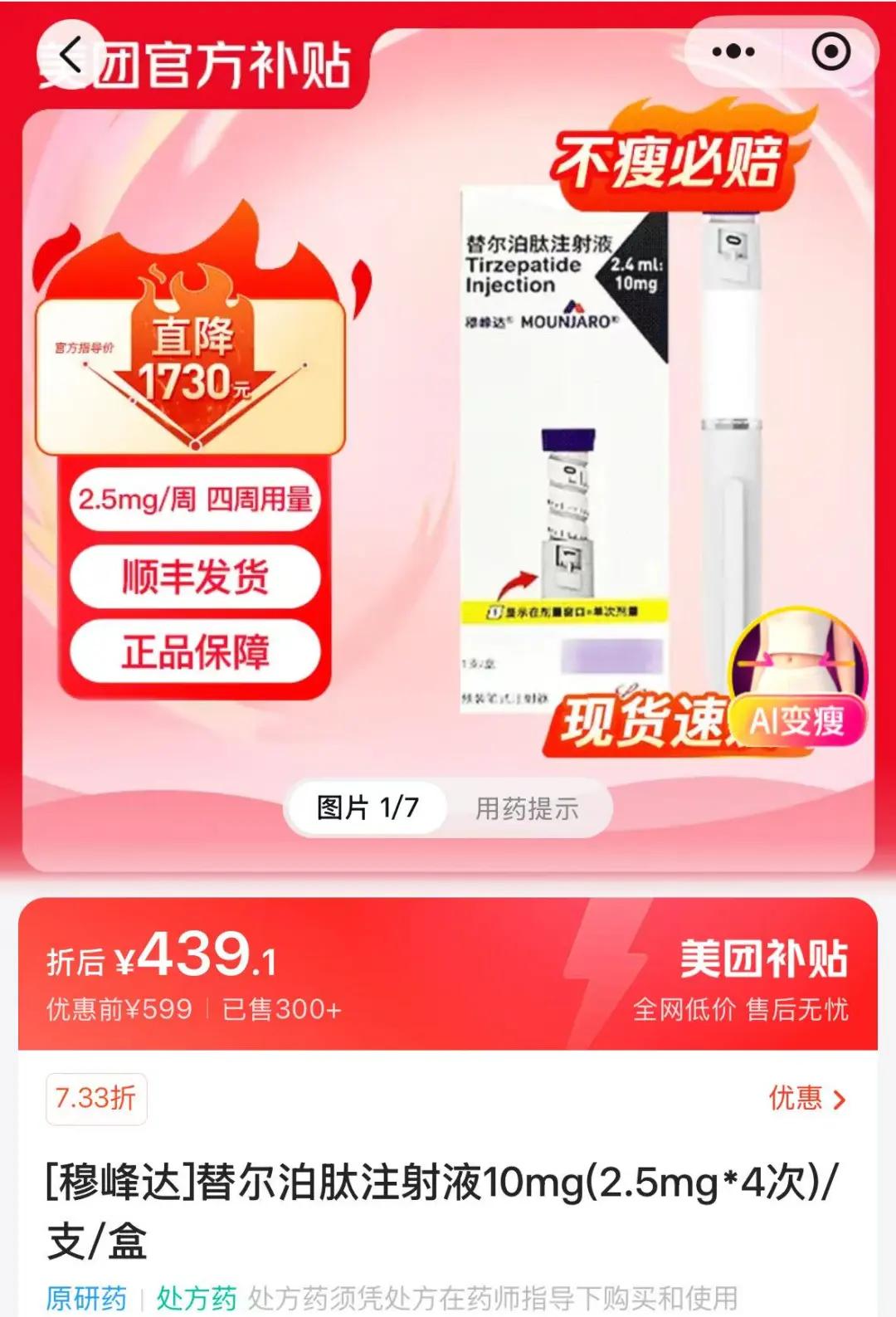
Core Insights - The recent price reductions of GLP-1 drugs, particularly Novo Nordisk's semaglutide (brand name: Ozempic) and Eli Lilly's dual-target drug tirzepatide (brand name: Mounjaro), have garnered significant attention due to their popularity as weight loss medications [1] Pricing Adjustments - Novo Nordisk's semaglutide injection prices have been significantly reduced, with the 2.27mg/mL×3mL specification dropping from 1893.67 yuan to 987.48 yuan, and the 3.2mg/mL×3mL specification from 2463 yuan to 1284.36 yuan, representing nearly a 50% decrease [2] - The price of Mounjaro has also been adjusted, with various specifications seeing reductions of approximately 80%, such as the 10mg specification dropping from 1758 yuan to 324.12 yuan [3] Cost Savings for Patients - Prior to the price reduction, patients using Mounjaro for weight loss would incur costs exceeding 13,000 yuan over 16 weeks, but post-reduction, this cost has decreased to around 2,500 yuan, resulting in savings of over 10,000 yuan [3] E-commerce Price Trends - E-commerce platforms are also reflecting price reductions, with Mounjaro priced at 439 yuan for the 10mg specification on Meituan's platform, attributed to official subsidies [4][6] Future Market Dynamics - The anticipated expiration of Novo Nordisk's patent for semaglutide in 2026 is expected to lead to an influx of generic drugs and increased competition, potentially driving prices lower [8] - The production costs of GLP-1 drugs may align with those of insulin, suggesting that future pricing could be competitive, although the final pricing will depend on various market factors [9]

减肥药开年掀起价格战!最低降至81元一针
Ge Long Hui· 2026-01-14 00:56
Core Insights - The price war for weight loss drugs, specifically the imported medications Semaglutide and Tirzepatide, has begun earlier and more aggressively than market expectations [1] Pricing Changes - Starting January 1, the price of Eli Lilly's Tirzepatide injection (Mounjaro) has significantly decreased after being included in the medical insurance, with the following price reductions: - The initial dosage of 2.5mg*4 doses dropped from 1758 yuan to 324.12 yuan - The main specification of 5mg*4 doses fell from 2758 yuan to 551 yuan - The highest dosage of 10mg*4 doses decreased from 4758 yuan to 936.70 yuan - All reductions exceed 80% [1] - Novo Nordisk's Semaglutide injection (Ozempic) also experienced substantial price cuts: - The initial dosage of 0.25mg*4 doses decreased from 1264.9 yuan to 230.84 yuan, a reduction of 82% - The 2.4mg*4 doses fell from 2463 yuan to 1284.36 yuan, a reduction of 48% [1] Market Dynamics - The price reductions affect the three major players in the weight loss drug sector and cover both hospital and e-commerce platforms, indicating a significant price war in the weight loss medication market [1]


减重≠减脂,使用司美格鲁肽等GLP-1药物时不要一味的节食
GLP1减重宝典· 2025-07-14 00:56
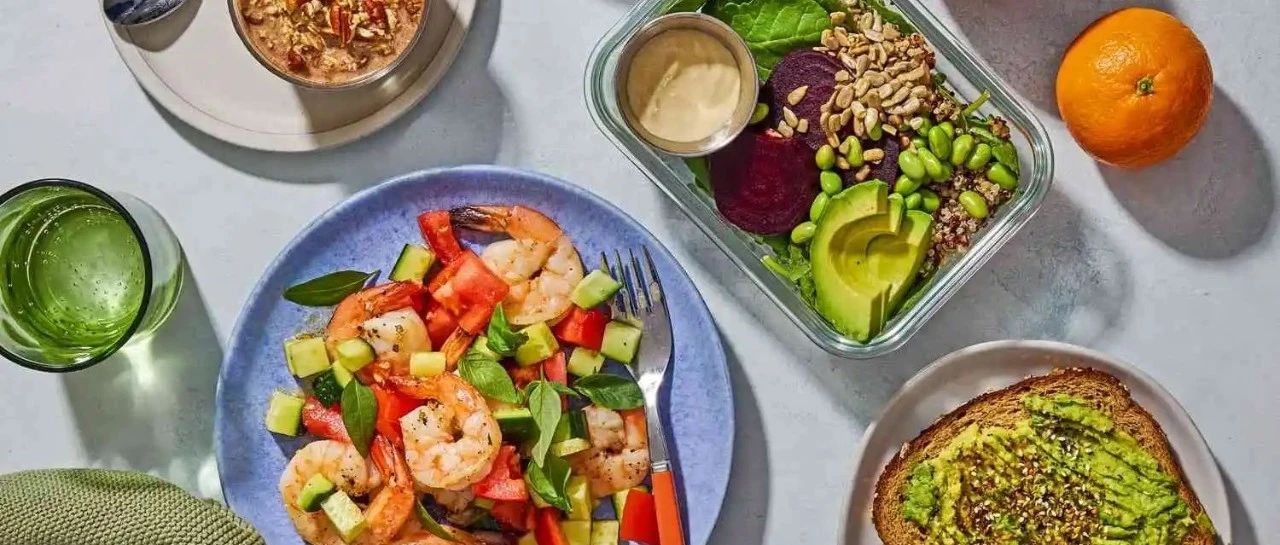
Core Viewpoint - Weight loss is often confused with fat loss, but they are fundamentally different. Weight loss refers to the overall decrease in body weight, including fat, muscle, and water, while fat loss focuses specifically on reducing fat content and lowering body fat percentage, which is a more scientific and healthier approach to weight management [2][4]. Group 1: Understanding Body Composition - Body composition can be divided into "lean body mass" and "total fat mass." Standard scales only show total weight changes and do not reflect fat loss. Generally, male body fat percentage should be maintained between 15%-18%, while for females, it should be between 25%-28% [4]. - For individuals with a higher initial weight, the priority should be weight loss, while those with a lower initial weight should focus on fat loss [4]. Group 2: Scientific Weight Loss Strategies - Effective fat loss requires a comprehensive lifestyle intervention, including a balanced diet, appropriate exercise, sufficient sleep, and a positive mindset. The "20 Guidelines for Weight Management" from the Chinese residents' health initiative emphasizes the importance of lifestyle changes [4]. - The "2024 Adult Obesity Dietary Guidelines" from the National Health Commission provides detailed dietary guidance, highlighting the importance of controlling total energy intake and optimizing dietary structure [4]. Group 3: Dietary Recommendations - Avoiding extreme dieting is crucial, as it may lead to muscle loss rather than fat loss. Muscle is essential for maintaining metabolic rate, and its reduction can hinder fat metabolism [6]. - The recommended daily caloric intake for men is between 1750-1950 kcal, but should not fall below 1200 kcal. A "small meals frequently" approach is suggested to prevent binge eating due to hunger [6]. - A balanced diet should primarily consist of grains, vegetables, fruits, and lean proteins while reducing oil, salt, and sugar intake. The Mediterranean diet is highlighted as beneficial for health and weight management [8][10]. Group 4: Specific Dietary Patterns - The Jiangnan diet, representative of the health dietary pattern in China, emphasizes a variety of ingredients, high vegetable and fruit intake, and lower consumption of red meat, which may help control weight and reduce chronic disease risk [10]. - Dairy products are recommended for their high-quality protein and calcium content, with a daily intake of 300-500g of liquid milk or equivalent dairy products suggested [11]. Group 5: Short-term Weight Loss Techniques - Adjusting the macronutrient ratio (low carb, low fat, high protein) can lead to short-term weight loss, but long-term effects are not well-supported. Intermittent fasting shows some weight loss benefits but lacks long-term evidence [12][14]. - The ketogenic diet, characterized by very low carbohydrate intake, can improve weight management but should be followed under professional guidance due to safety concerns [13]. Group 6: Behavioral Changes - Eating speed is linked to obesity, and reducing eating speed can help with weight loss by decreasing caloric intake and increasing satiety hormones. It is recommended that adults take more than 20 minutes per meal [15]. - Skipping breakfast and late-night eating are associated with increased obesity risk. Eating breakfast helps maintain stable blood sugar levels and reduces hunger later in the day [14]. Group 7: GLP-1 Medications - The approval of semaglutide (Nuoheying) for long-term weight management in China marks a significant development. This GLP-1 receptor agonist can achieve an average weight reduction of 17% (approximately 16.8 kg) and offers multiple health benefits beyond weight loss [17][18].