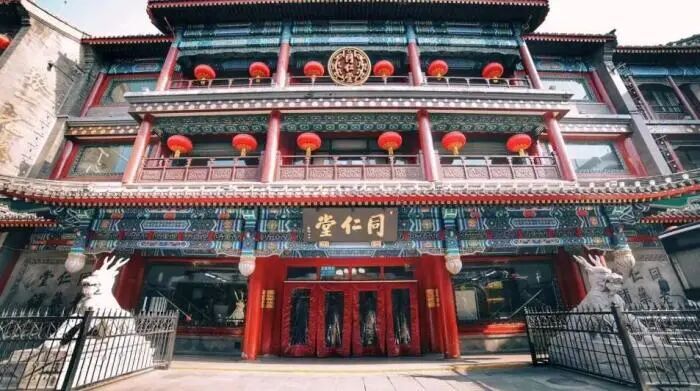
同仁堂牌灵芝孢子粉提取物胶囊

Search documents
民生调查局 | 同仁堂 金字招牌在“贴牌”
Zhong Guo Xin Wen Wang· 2025-12-23 14:05
Core Viewpoint - The article discusses the brand integrity issues faced by Beijing Tongrentang, a historic Chinese medicine brand, due to its extensive licensing and outsourcing practices, which have led to product quality concerns and consumer confusion regarding authenticity [2][3][5]. Group 1: Brand Integrity and Licensing Issues - Beijing Tongrentang has faced significant backlash after a product, "99% High Purity Antarctic Krill Oil," was found to have no phospholipid content, raising questions about the quality of licensed products [2][3]. - The brand's licensing strategy has resulted in a proliferation of products under the Tongrentang name, leading to a situation where consumers struggle to differentiate between authentic and counterfeit products [3][7]. - The company has a complex network of over 400 subsidiaries, which complicates brand management and has led to various trademark disputes among different Tongrentang entities [7][9]. Group 2: Financial Performance and Market Strategy - Beijing Tongrentang's net profit for 2024 is projected to be 1.526 billion yuan, a decline of 8.54% year-on-year, marking the first negative growth in five years [9]. - The company has attempted to diversify its offerings by entering various sectors, including health supplements and direct sales, but this has raised concerns about brand dilution and consumer trust [8][9]. - The brand's efforts to modernize and appeal to younger consumers through new retail initiatives have been met with mixed results, highlighting the challenges of balancing traditional values with contemporary market demands [9].


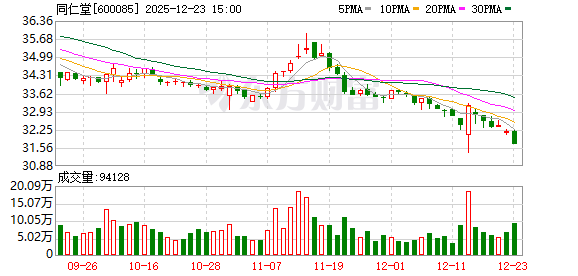
民生调查局 | 同仁堂,金字招牌在“贴牌”
Zhong Guo Xin Wen Wang· 2025-12-23 13:46
Core Viewpoint - The article discusses the brand integrity issues faced by Beijing Tongrentang, a historic Chinese medicine brand, due to its extensive licensing and outsourcing practices, which have led to product quality concerns and consumer confusion regarding authenticity [2][5][12]. Group 1: Brand Integrity and Licensing Issues - Beijing Tongrentang has faced backlash after a product, "99% High Purity Antarctic Krill Oil," was found to have no phospholipid content, highlighting the risks associated with its brand licensing strategy [2][3]. - The company has a complex network of over 400 subsidiaries, leading to confusion among consumers about which products are genuinely from the original brand [9]. - The brand's licensing practices have resulted in a proliferation of products under the Tongrentang name, often produced by third-party manufacturers, which has diluted the brand's reputation [5][9]. Group 2: Financial Performance and Market Strategy - Beijing Tongrentang's net profit for 2024 is projected to be 1.526 billion yuan, a decline of 8.54% year-on-year, marking the first negative growth in five years [13]. - The company has attempted to modernize and attract younger consumers through new retail initiatives, but these efforts coexist with traditional practices that may undermine brand trust [12][13]. - The brand's expansion into direct sales of health products has raised concerns about the potential risks associated with this business model, which is often viewed negatively in China [12].
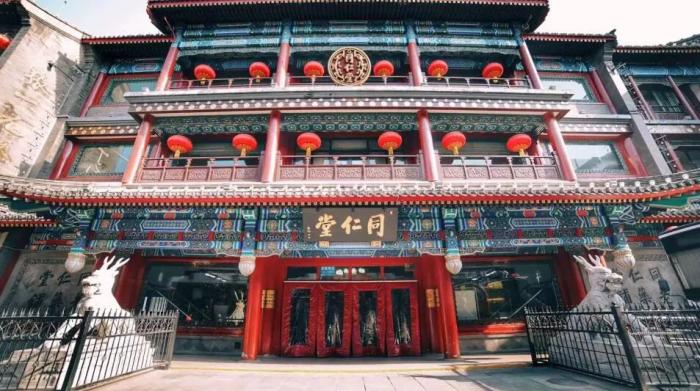
同仁堂,金字招牌在“贴牌”
Zhong Guo Xin Wen Wang· 2025-12-23 12:25
Core Viewpoint - The article discusses the potential risks and implications of the brand expansion strategy employed by Beijing Tongrentang, a well-known traditional Chinese medicine brand, highlighting issues related to product quality and brand integrity due to extensive licensing and outsourcing practices [1][3][10]. Group 1: Brand Integrity and Quality Issues - Beijing Tongrentang issued an apology regarding a product quality issue with its "99% high-purity Antarctic krill oil," which claimed a phospholipid content of 43% but was found to be 0% in actual tests [3][10]. - The brand's licensing model has led to a proliferation of products under the Tongrentang name, many of which are produced by third-party manufacturers, raising concerns about the authenticity and quality of these products [3][4][10]. - The complexity of brand ownership and licensing has resulted in confusion among consumers, as multiple entities within the Tongrentang group produce and sell products under similar names, leading to difficulties in distinguishing genuine products from counterfeit ones [6][7][10]. Group 2: Business Model and Market Strategy - The company has expanded its product offerings significantly, including health supplements and daily necessities, which has been referred to as the "Tongrentang Universe," but this expansion raises questions about brand dilution [3][4][10]. - Beijing Tongrentang Health Pharmaceutical has adopted a direct sales model for its health products, which is often associated with negative perceptions in the market, potentially risking the brand's reputation [10][12]. - The company is facing financial challenges, with a reported net profit of 1.526 billion yuan for 2024, marking an 8.54% decline year-on-year, indicating a need for strategic reevaluation amidst its aggressive expansion efforts [12]. Group 3: Consumer Trust and Brand Management - The article emphasizes the importance of establishing modern corporate governance and a robust authorization system to restore consumer trust in the Tongrentang brand, which has been built over a century [12]. - The dual approach of maintaining traditional practices while attempting to attract younger consumers through innovative strategies reflects the internal contradictions faced by the brand during its rapid expansion [12].