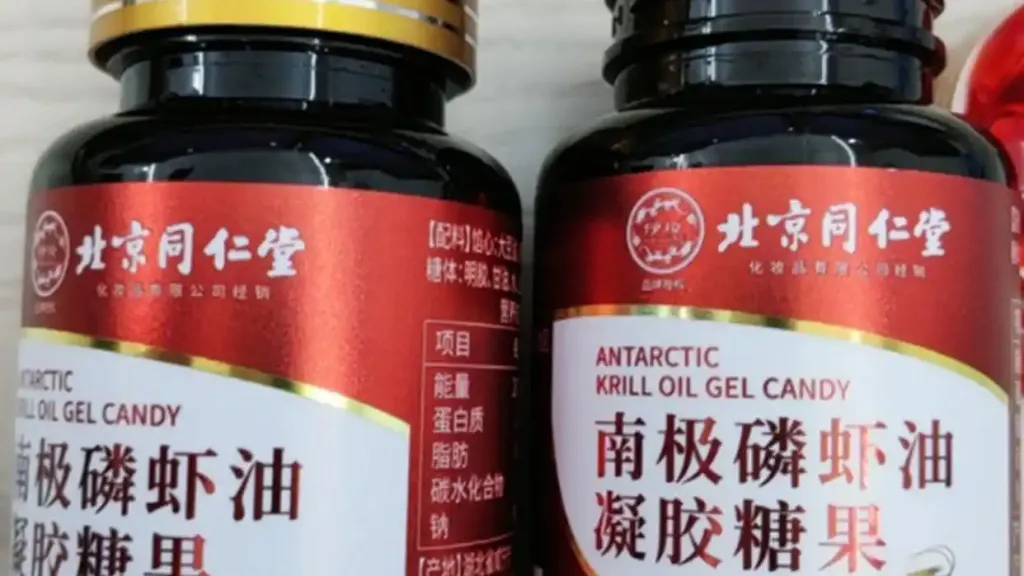
北京同仁堂99%高纯南极磷虾油

Search documents
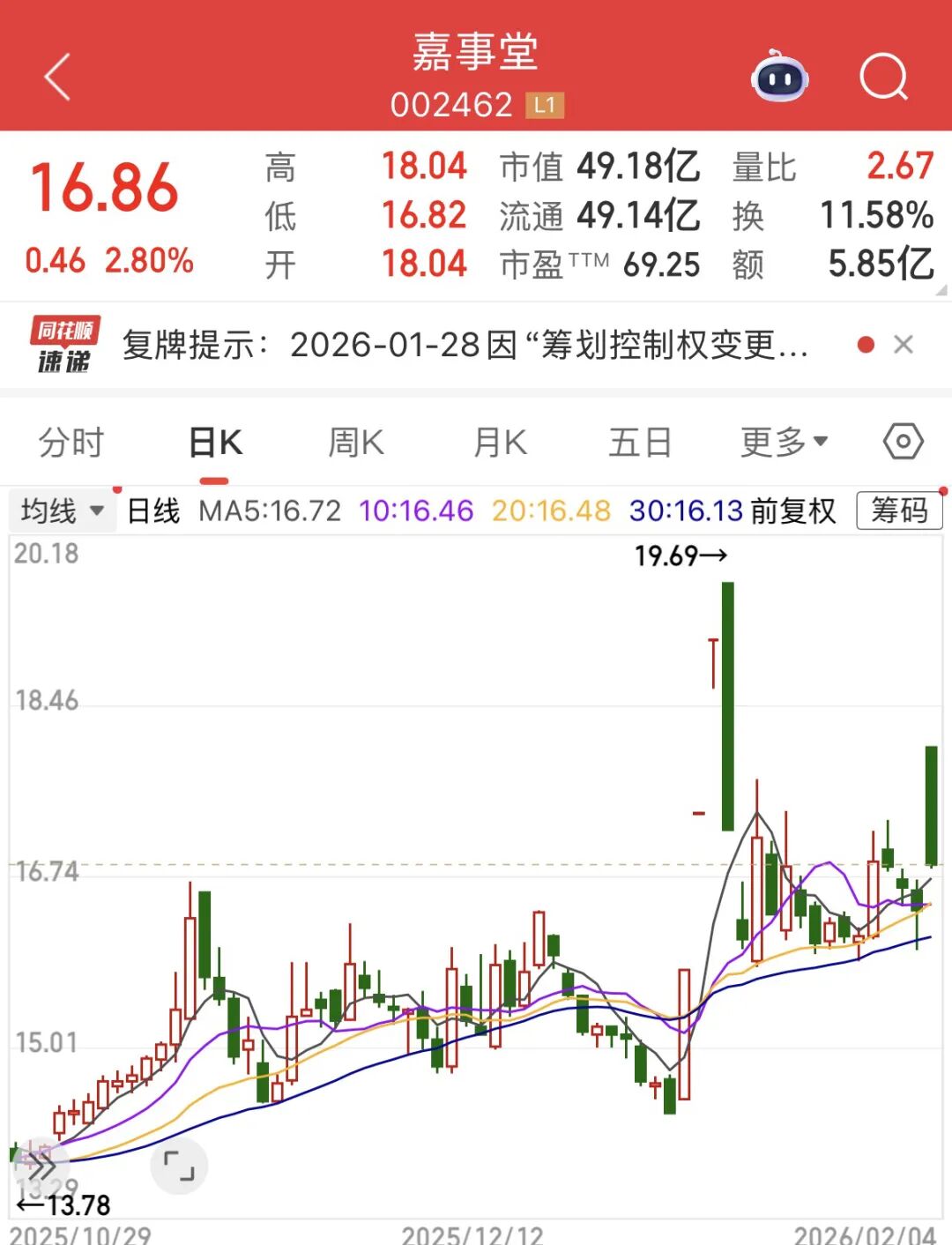
百年同仁堂斥资14亿,买下北京医药商业龙头嘉事堂
Guo Ji Jin Rong Bao· 2026-02-05 02:29
Group 1 - The acquisition of Jiatang by Tongrentang Group aims to create a complete closed-loop pharmaceutical industry chain covering herbal planting, drug production, terminal distribution, and medical services, but its effectiveness in alleviating the "private label" pain remains to be seen [1][7] - On February 3, Jiatang announced that its shareholders, Everbright Industrial and Everbright Health, signed a share transfer agreement with Tongrentang Group, transferring a total of 83.05 million shares for 1.461 billion yuan [3] - Following the transaction, Tongrentang Group will become the controlling shareholder of Jiatang with a 28.48% stake, and the actual controller will change to the State-owned Assets Supervision and Administration Commission of Beijing [3][4] Group 2 - Jiatang has faced financial pressure, with revenue figures from 2020 to 2024 showing a decline in net profit, particularly a drop to 161 million yuan in 2024, marking a ten-year low [5] - For the first three quarters of 2025, Jiatang reported a revenue of 14.46 billion yuan, a year-on-year decrease of 21.8%, and a net profit of 141 million yuan, down 38.81% year-on-year [6] - Tongrentang, founded in 1669, currently has multiple listed companies and is actively pursuing the listing of Tongrentang Medical and Health, which could enhance its capital presence [7] Group 3 - The merger is viewed as a "strong union," combining Tongrentang's brand strength and product resources with Jiatang's extensive distribution network, potentially allowing Jiatang to return to its core pharmaceutical operations [7] - Tongrentang has recently faced a trust crisis due to a product quality issue, which has negatively impacted its stock price and overall performance, with a revenue decline of 3.70% and a net profit drop of 12.78% in the first three quarters of 2025 [8]


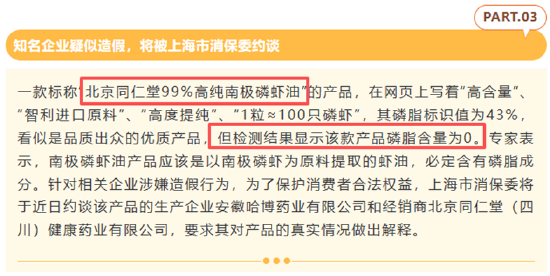
2025年十大消费维权新闻评选结果揭晓
Xin Lang Cai Jing· 2026-01-18 22:33
Core Insights - The 2025 consumer market is expected to develop healthily, with measures to boost consumption meeting diverse consumer needs and improving the consumption environment [1] - The 20th National Congress of the Communist Party of China emphasizes the importance of boosting consumption as part of the 14th Five-Year Plan [1] - The "Three-Year Action Plan to Optimize the Consumption Environment" aims to address consumer pain points and enhance consumer rights protection [2] Group 1: Policy and Regulatory Developments - The 20th National Congress approved the 14th Five-Year Plan, focusing on boosting consumption through various measures, including increasing public service spending and enhancing consumer capacity [1] - The "Three-Year Action Plan" outlines 19 key tasks to create a fair and safe consumption environment, including quality control and consumer rights protection initiatives [2] Group 2: Consumer Rights and Protection - The theme for 2025's Consumer Rights Year is "Building Satisfactory Consumption," aiming to enhance consumer experience and strengthen rights protection [2] - The Shanghai Consumer Rights Protection Committee exposed false advertising related to Antarctic krill oil, highlighting the need for accountability in consumer goods [3] Group 3: Emerging Issues in Consumption - The rise of private domain live streaming has led to issues such as false advertising and consumer rights challenges, prompting investigations and calls for regulation [4] - The investigation into the "Northeast Brothers" revealed fraudulent practices under the guise of supporting farmers, resulting in penalties and refunds for affected consumers [6] Group 4: Market Trends and Innovations - New consumption scenarios are reshaping economic dynamics, with innovative urban developments and consumer demands driving growth [5] - The investigation into "Hong Kong Pharmacy" revealed deceptive branding practices, leading to regulatory actions against involved companies [7] Group 5: Technology and Consumer Awareness - The misuse of AI face-swapping technology has raised concerns about consumer deception and privacy violations, prompting discussions on regulatory frameworks [8] - Complaints regarding automatic payment systems have surged, leading to investigations into consumer rights and the need for clearer opt-out processes [9]
多元共治聚合力 满意消费写新篇
Xin Lang Cai Jing· 2025-12-29 21:25
Core Viewpoint - The theme for 2025, "Building Satisfactory Consumption Together," sets a clear tone for consumer rights protection across the nation, focusing on enhancing consumer experience and exploring paths for high-quality consumption and effective rights protection. Group 1: Beijing Initiatives - Beijing Consumer Association has implemented measures to address urgent consumer issues, enhancing complaint handling efficiency and establishing a multi-faceted rights protection system [1] - The "96315 Consumer Dispute Mediation Green Channel" has seen 21 companies participate, resolving 12,137 complaints with a completion rate of 97.94%, recovering over 205,000 yuan for consumers [1] - The association has conducted 80 consultations with key enterprises based on complaint data and processed a total of 34,990 complaints throughout the year [1] Group 2: Shanghai Actions - Shanghai Consumer Rights Protection Committee focuses on social supervision and has conducted targeted investigations into consumer issues, particularly in the health sector [3] - A significant case involved the detection of false advertising in Antarctic krill oil, leading to a public apology and product recall by the involved company [3] - The committee has also addressed issues related to spam messages, pushing telecom operators to implement real-name registration for senders by June 2025 [4] Group 3: Jiangsu Developments - Jiangsu Consumer Rights Protection Committee has prioritized consumer surveys, revealing that seat locking practices among airlines range from 19.90% to 62.10%, prompting calls for self-regulation [5] - The committee has also investigated new consumption issues related to live streaming sales, identifying misleading practices and advocating for stricter content review [5] - In a survey focused on elderly tourism, the committee highlighted issues such as age restrictions and inadequate services, providing actionable recommendations [6] Group 4: Sichuan Innovations - Sichuan Consumer Rights Protection Committee has initiated civil public interest litigation, achieving a notable case in the agricultural sector with punitive compensation agreements [7] - The committee has developed a management approach for public interest litigation compensation, ensuring funds are used directly for consumer benefits [7] - The province has also seen significant engagement on the "National Consumer Association Smart 315" platform, with 23,758 companies registered [8] Group 5: Hunan Strategies - Hunan Consumer Rights Protection Committee has adopted a "four-wheel drive" approach to enhance consumer rights through digital empowerment and social governance [9] - The committee has established consumer complaint stations and educational bases to address new consumption disputes at their source [10] - It has also organized various consumer education activities to foster a mature consumption culture among different demographics [10] Group 6: Guangdong Initiatives - Guangdong Consumer Committee has launched the "3·15 Golden Autumn Shopping Festival," attracting over 150 companies and benefiting approximately 2.3 million consumers [11] - The province has implemented a "double commitment" quality improvement initiative, resulting in the addition of 22,701 "reliable consumption commitment units" [11] - The committee has also enhanced its complaint handling platform, processing 3,539 consumer complaints and recovering 8.76 million yuan in losses [12] Group 7: Zhejiang Efforts - Zhejiang Consumer Rights Protection Committee has organized over 300 promotional events, generating sales of 1.689 billion yuan [13] - The committee has established a multi-faceted dispute resolution system, achieving a 96% success rate in mediation through local government involvement [14] - It has also conducted extensive consumer education activities, reaching over 3 million views on various platforms [15] Group 8: Jiangxi Actions - Jiangxi Consumer Rights Protection Committee has conducted 474 consumer education activities and established 634 service points to enhance consumer awareness [16] - The province has processed over 980,000 complaints, recovering more than 86 million yuan for consumers [17] - It has also initiated cross-provincial public interest litigation to strengthen consumer rights protection [17] Group 9: Hubei Developments - Hubei Consumer Committee has organized numerous promotional activities, resulting in sales of 5.352 billion yuan during the "3·15 Golden Autumn Shopping Festival" [18] - The province has added 1,009 new companies to its "seven-day no-reason return" commitment, increasing consumer protection [19] - The committee has also issued multiple consumer alerts in collaboration with neighboring provinces to enhance consumer awareness [19] Group 10: Henan Initiatives - Henan Consumer Association has facilitated the registration of 14,349 companies on the "National Consumer Association Smart 315" platform, handling 19,745 complaints [20] - The association has established guidelines for collective litigation, successfully resolving a contract dispute case [21] - It has also issued consumer alerts regarding various market practices, helping consumers identify risks [21] Group 11: Ningbo Actions - Ningbo Consumer Rights Protection Committee has received 233,000 complaints, recovering over 61 million yuan for consumers [23] - The committee has implemented a complaint tracking system and established a credit evaluation system based on complaint response rates [23] - It has also launched promotional activities to enhance consumer engagement and trust in local businesses [23]
剑指贴牌乱象 食品委托生产将全过程管控
Bei Jing Shang Bao· 2025-12-29 16:49
Core Viewpoint - The newly implemented "Food Commissioned Production Supervision Management Measures" aims to strengthen the responsibilities of both parties involved in commissioned food production, thereby preventing food safety risks. This regulation will take effect on December 1, 2026, and is a response to recent food safety incidents, particularly the "Antarctic Krill Oil" case [1][3]. Group 1: Regulation Details - The regulation clarifies the scope of commissioned production, defining it as the act of the entrusted party producing food in whole or in part according to the requirements of the commissioning party [3]. - It includes various forms of commissioned production such as trademark licensing, franchising, and OEM production under regulatory oversight [3]. - Both parties must meet specific qualification requirements, including the commissioning party holding a food production and operation license and the entrusted party having the appropriate production capacity and food safety assurance capabilities [3][4]. Group 2: Responsibilities and Reporting - The regulation specifies the responsibilities and obligations of both parties regarding qualification verification, raw material inspection, labeling, food safety self-checks, sample retention, and product recalls [4]. - It mandates that both parties establish a food safety management system and appoint personnel responsible for food safety oversight [4]. - A reporting system is established, requiring both parties to report their commissioned production contracts to local market supervision departments within 10 working days [4]. Group 3: Industry Impact - The "Antarctic Krill Oil" incident has prompted companies like Tongrentang to apologize and initiate self-inspection and rectification measures, highlighting the need for stricter oversight in the industry [5]. - Industry analysts believe that the new regulation will clarify the responsibilities of both parties in OEM collaborations, addressing regulatory gaps and raising operational standards in the food industry [5]. - The introduction of this regulation is seen as a step towards promoting high-quality development in the food sector, especially in light of recent issues faced by leading companies [5].

全程可溯、监督留痕 新规给食品“贴牌代工”紧紧弦
Bei Jing Shang Bao· 2025-12-29 13:19
Core Viewpoint - The newly implemented "Food Commissioned Production Supervision Management Measures" aims to strengthen the responsibilities of both parties involved in food production, particularly in the context of "private label" manufacturing, ensuring better food safety and quality control [1][2][3]. Group 1: Regulatory Framework - The new measures require both the commissioning party and the commissioned party to meet specific qualifications, including obtaining necessary food production licenses and ensuring compliance with food safety standards [1][2]. - The commissioning party must establish a food safety management system and appoint personnel to supervise the commissioned party, holding ultimate responsibility for food safety [1][2]. - Written contracts must be signed before commissioned production, detailing food safety matters, and any changes must be reported to local market supervision departments within ten working days [2][3]. Group 2: Enforcement and Oversight - The measures mandate substantial supervision by the commissioning party over the production activities of the commissioned party, including on-site inspections and the use of information technology for monitoring [2]. - Local market supervision departments are tasked with investigating any illegal activities related to commissioned production and must report findings to the relevant authorities [2]. - The implementation of these measures is expected to enhance local regulatory oversight and ensure timely responses to food safety risks [2][3]. Group 3: Industry Impact - The introduction of these regulations is seen as a necessary step to address the prevalent issues in the "private label" production sector, which has been a significant area of consumer rights violations [3]. - The measures are anticipated to raise the operational thresholds for "private label" collaborations, promoting higher quality standards within the food industry [3]. - The regulations will take effect on December 1, 2026, providing a timeline for companies to adapt to the new requirements [4].
同仁堂品牌授权翻车?99%高纯南极磷虾油有效含量为0 上市公司虽发文澄清或也难独善其身
Xin Lang Cai Jing· 2025-12-26 10:22
Core Viewpoint - The recent scandal involving a product labeled "Beijing Tongrentang 99% High Purity Antarctic Krill Oil" has revealed that the actual phospholipid content is 0%, leading to significant consumer distrust in the brand and highlighting issues with brand licensing and management practices [1][2][4]. Brand Licensing Issues - Many products marketed under the Tongrentang brand are actually the result of brand licensing, which has led to confusion among consumers regarding the authenticity of the products [2][19]. - The product in question was produced by Anhui Habao Pharmaceutical Co., Ltd. and sold by Beijing Tongrentang (Sichuan) Health Pharmaceutical Co., Ltd., which is a subsidiary of the larger Tongrentang Group [19][4]. - The complex brand licensing structure has created a "Tongrentang universe," where numerous products are sold under various subsidiaries, complicating consumer recognition and trust [19][20]. Impact on Brand Reputation - The brand licensing model, while providing short-term growth, is eroding the long-term value of the Tongrentang brand, leading to consumer confusion and diminished trust [8][20]. - Employees at the main Tongrentang store frequently encounter questions from consumers about the authenticity of the products, indicating a significant brand identity crisis [20]. Financial Performance - The company has faced a decline in stock price and financial performance, with shares dropping over 45% from their peak in 2023, closing at 32.25 yuan per share on December 26, 2025 [21][23]. - For the first three quarters of the year, the company reported a revenue of 13.308 billion yuan, a year-on-year decrease of 3.70%, and a net profit of 1.178 billion yuan, down 12.78% [11][23]. - The third quarter saw a particularly sharp decline, with revenue dropping 12.76% to 3.539 billion yuan and net profit plummeting 45% [11][23]. Operational Challenges - Despite a strategy of aggressive store expansion, with 250 new stores added in 2024, the overall sales have not increased, leading to operational inefficiencies [11][23]. - As of September 30, 2025, the company's inventory balance reached approximately 11.125 billion yuan, accounting for 35% of total assets, with an extended inventory turnover period of 424.4 days [11][23].
365岁老字号造假,最受伤的是谁?
Mei Ri Shang Bao· 2025-12-26 02:13
Core Viewpoint - Beijing Tongrentang has issued an apology regarding the "Antarctic Krill Oil Fraud" incident and announced a comprehensive brand cleanup action to strictly regulate brand management systems [1] Group 1: Incident Overview - The Shanghai Consumer Protection Commission conducted tests on 15 popular Antarctic krill oil products and found that a product labeled "Beijing Tongrentang 99% High Purity Antarctic Krill Oil" contained "0" krill oil [1] - Consumers were misled into purchasing this product at a price of 50-60 yuan per bottle, while the procurement cost was only 3-4 yuan [1] Group 2: Company Background - Beijing Tongrentang, founded in 1669, is a historic Chinese medicine brand with a legacy of over 365 years, known for its commitment to quality and authenticity [1][3] - The company has a long-standing reputation, having been the sole supplier of imperial medicine during the Qing Dynasty for 188 years [1] Group 3: Implications of the Fraud - The incident highlights significant management issues within Beijing Tongrentang, as the price difference between procurement (3-3.7 yuan) and retail (over 60 yuan) is nearly 20 times [4] - The fraudulent practices not only deceive consumers but also jeopardize the brand's centuries-old reputation, which is considered a valuable asset [4] - The company is urged to take decisive action to rectify its management and restore the integrity of its brand [4]

同仁堂集团:责令李声义辞去四川健康公司总经理职务,相关管理人员全部停职
Xin Lang Cai Jing· 2025-12-25 12:34
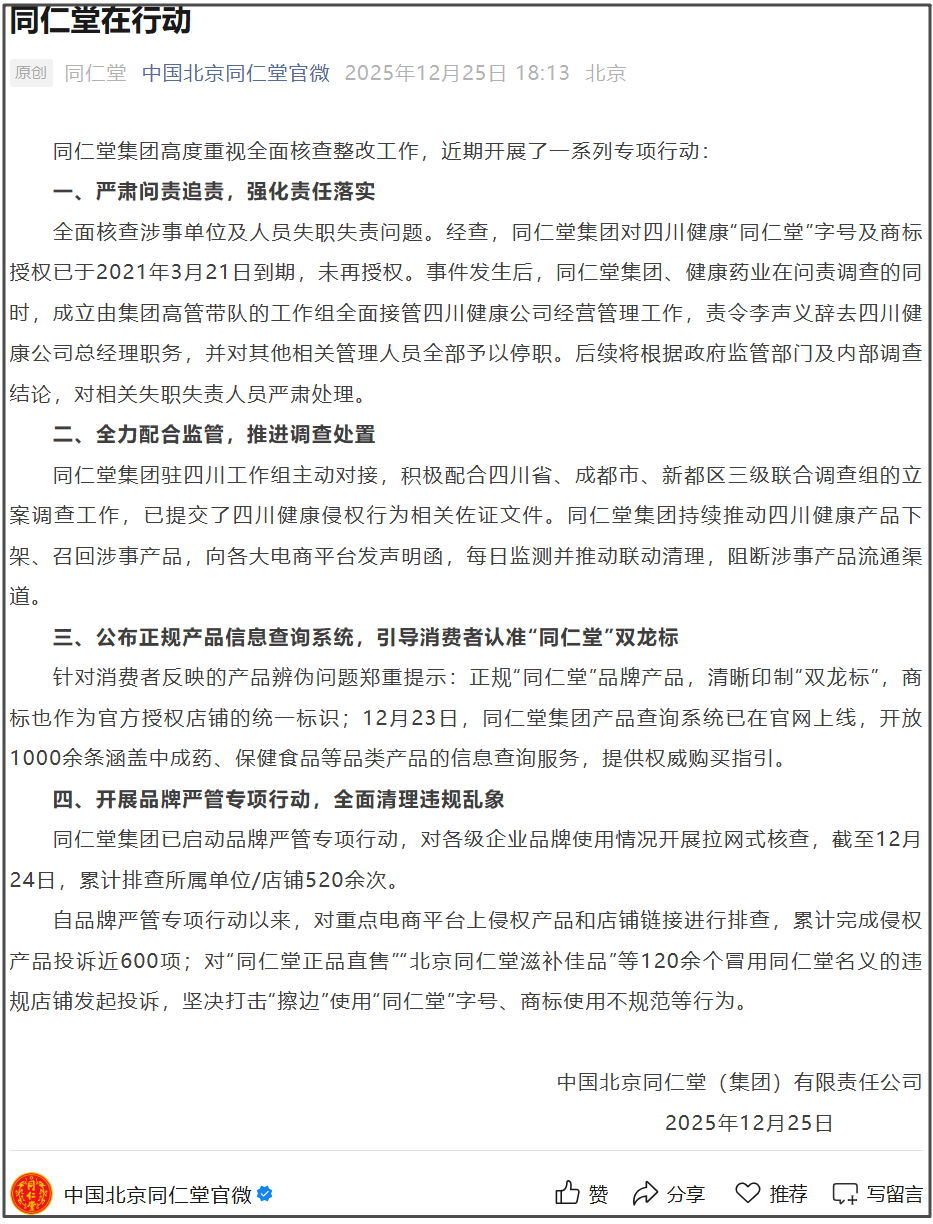
Core Viewpoint - Tongrentang Group is taking significant measures to address issues related to brand management and consumer protection following a scandal involving a product mislabeling incident, particularly concerning Antarctic krill oil products [1][3][8]. Group 1: Accountability and Investigation - The company has initiated a comprehensive investigation into the responsibilities of involved parties, confirming that the trademark authorization for "Tongrentang" to Sichuan Health expired on March 21, 2021, and was not renewed [1][6]. - A task force led by senior management has been established to take over the operations of Sichuan Health, resulting in the dismissal of its general manager and the suspension of other relevant personnel [1][6]. - The company is cooperating with regulatory authorities and has submitted evidence related to the infringement by Sichuan Health, while actively recalling and removing the implicated products from circulation [1][6]. Group 2: Brand Protection Measures - Tongrentang has launched a product information query system to help consumers identify genuine products marked with the "Double Dragon" logo, with over 1,000 items available for verification [2][7]. - A brand management initiative has been implemented, resulting in over 520 inspections of affiliated units and stores, and nearly 600 complaints filed against infringing products on major e-commerce platforms [2][7]. - The company is taking legal action against entities misusing the "Tongrentang" name and is committed to enforcing strict brand management practices [3][9]. Group 3: Consumer Rights and Product Safety - In response to consumer concerns regarding the Antarctic krill oil product, the company has expressed deep regret and is taking immediate actions to ensure compliance and consumer compensation [3][8]. - The company is conducting thorough checks for any illegal or irregular brand usage across its enterprises to enhance consumer protection [9].
同仁堂:责令李声义辞职,其他相关管理人员全部停职
Guan Cha Zhe Wang· 2025-12-25 12:18
Group 1 - The core message of the news is that Tongrentang Group is taking significant actions to address the issues related to the unauthorized use of its brand and products, particularly in response to the controversy surrounding a product claiming to contain Antarctic krill oil [1][7][9] Group 2 - Tongrentang Group has initiated a comprehensive investigation and accountability measures, including the dismissal of the general manager of Sichuan Health Company and the suspension of other responsible personnel [1] - The company is actively cooperating with regulatory authorities in a joint investigation and has taken steps to recall the problematic products while monitoring their distribution channels [2] - A product information query system has been launched to help consumers identify genuine Tongrentang products, emphasizing the importance of the "Double Dragon Mark" for authenticity [3] - A special action for strict brand management has been initiated, resulting in the inspection of over 520 units and the filing of nearly 600 complaints against infringing products and stores [4] Group 3 - The Shanghai Consumer Protection Committee has identified serious discrepancies in the marketing of a product claiming to contain 43% phospholipids, which was found to contain none, leading to a formal investigation [7][8] - The company has acknowledged unauthorized use of its brand by Sichuan Health Company and has initiated legal proceedings against the involved parties [8] - Regulatory bodies are planning to implement stricter oversight on commissioned production practices to ensure product quality and consumer protection [9]
半岛观察|假磷虾油风波下,同仁堂金字招牌如何守护?
Da Zhong Ri Bao· 2025-12-25 12:02
Core Viewpoint - The incident involving Antarctic krill oil products linked to Tongrentang has exposed significant issues in production practices and brand management, raising concerns about consumer trust and the integrity of traditional brands [1][3][12]. Group 1: Regulatory Response - The State Administration for Market Regulation has identified problems with companies prioritizing profit over product quality and has announced measures to regulate commissioned production, including the upcoming release of the "Food Commissioned Production Supervision Management Measures" [3][9]. - The regulatory body plans to enhance oversight of private label processing and conduct special inspections on products like krill oil and fish oil to combat illegal activities [3][9]. Group 2: Incident Details - The controversy began when a product marketed as "Beijing Tongrentang 99% High Purity Antarctic Krill Oil" was found to have a phospholipid content of 0%, contrasting sharply with the claimed 43% [3][6]. - The involved distributor, Beijing Tongrentang (Sichuan) Health Pharmaceutical, purchased the product at a price of 3 to 3.7 yuan, while it was sold at over 60 yuan, indicating a nearly 20-fold markup and raising suspicions of fraud [6][8]. Group 3: Consumer Trust and Brand Impact - The scandal has shaken consumer confidence, with many expressing disbelief that a reputable brand could engage in such practices, leading to a significant decline in purchases of related products [8][12]. - The incident highlights the vulnerability of traditional brands, as the trust built over three centuries can be jeopardized by a single violation [8][12]. Group 4: Legal and Industry Challenges - The actions of the involved companies have been deemed illegal, infringing on consumer rights and potentially constituting the crime of selling counterfeit goods if sales exceed 50,000 yuan [9][12]. - The lack of national standards for Antarctic krill oil has created regulatory blind spots, allowing for fraudulent activities to proliferate [9][12]. Group 5: Company Response and Future Outlook - In response to the crisis, Tongrentang has initiated corrective measures, including the resignation of the involved company's general manager and the recall of affected products [12]. - The company faces the challenge of addressing its complex brand authorization system to prevent future risks and restore consumer trust [12].