名牌包包

Search documents
为什么中国人买走了全球13的奢侈品?
Sou Hu Cai Jing· 2026-02-20 03:48
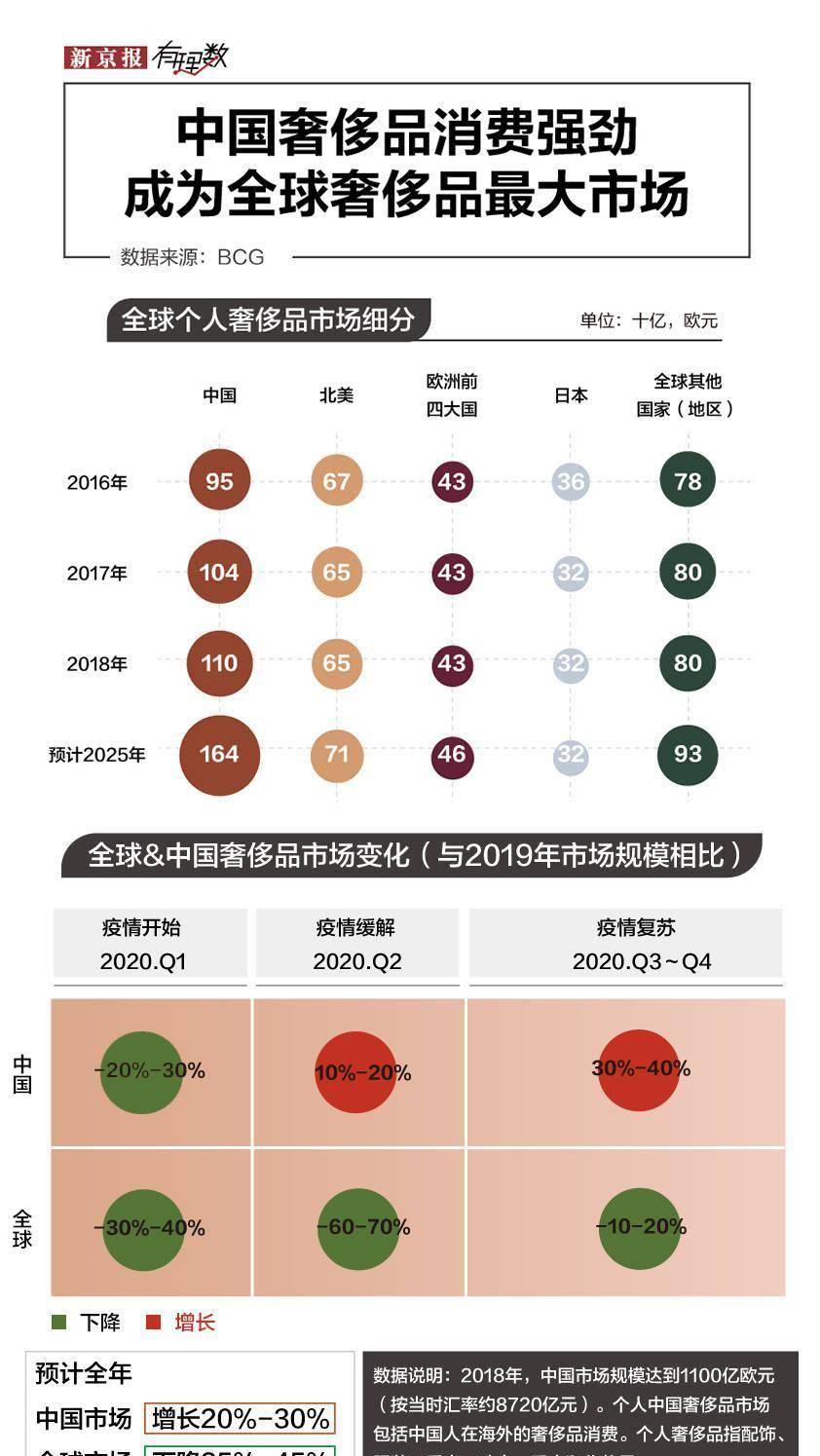
Core Insights - The rapid development of the internet has transformed shopping habits in China, with e-commerce surpassing other countries, driven by consumer power during events like Double Eleven [1][3][5] - The luxury goods market in China has become a significant focus, with brands like LV and Parisian houses seeing high demand despite global economic downturns [3][11][22] - The pandemic initially suppressed consumer spending, but a surge in demand has been observed as restrictions eased, leading to a phenomenon of revenge spending [5][22] E-commerce and Consumer Behavior - Double Eleven has evolved from a singles' day into a nationwide shopping festival, with sales exceeding billions daily, showcasing the strength of Chinese consumers [3][5] - The luxury market is thriving in China, with consumers willing to wait in long lines to purchase items before price increases, indicating a strong desire for luxury goods [13][18] - Young consumers are the primary drivers of luxury spending, often prioritizing brand prestige and social status over practical financial considerations [16][24] Luxury Goods Market Dynamics - China's share of global luxury goods consumption has increased significantly, from 12% in 2012 to 33% in 2018, establishing it as a dominant market [11][22] - Government policies, such as reduced tariffs, have facilitated access to luxury goods, further stimulating market growth [18][24] - The rise of celebrity endorsements has enhanced brand visibility and appeal, particularly among younger demographics who aspire to emulate their idols [24] Consumer Trends and Future Outlook - The perception of luxury goods has shifted, with more consumers, including those from middle-income backgrounds, now able to afford them, expanding the market [8][22] - There is a growing concern about the blind pursuit of foreign luxury brands, with a call for consumers to consider supporting local brands and rationalizing their spending habits [24]

游客减少在欧洲和日本的消费 奢侈品公司大受冲击
Sou Hu Cai Jing· 2025-08-04 05:27
Core Insights - The luxury goods industry is facing significant challenges due to a sharp decline in spending by tourists from Japan and Europe, impacting sales for major companies like LVMH, Prada, and Moncler [1] Industry Summary - The luxury sector is struggling to cope with the end of a boom period and the effects of U.S. tariffs, exacerbated by reduced consumer spending from tourists [1] - Sales for LVMH, Prada, and Moncler in the second quarter were negatively affected by decreased consumption from tourists in Europe and Japan [1] Economic Factors - Last year, a weak yen led to an influx of consumers in Japan purchasing luxury items, boosting sales during a period of declining demand [1] - The strong U.S. dollar previously enhanced American tourists' purchasing power abroad, particularly in European luxury stores, but this advantage has dissipated with the yen's recovery and the dollar's depreciation [1] - LVMH's CFO, Jean-Jacques Guiony, indicated that changes in tourist spending patterns were a primary reason for a 9% organic decline in sales in its key fashion and leather goods segment during the second quarter [1]