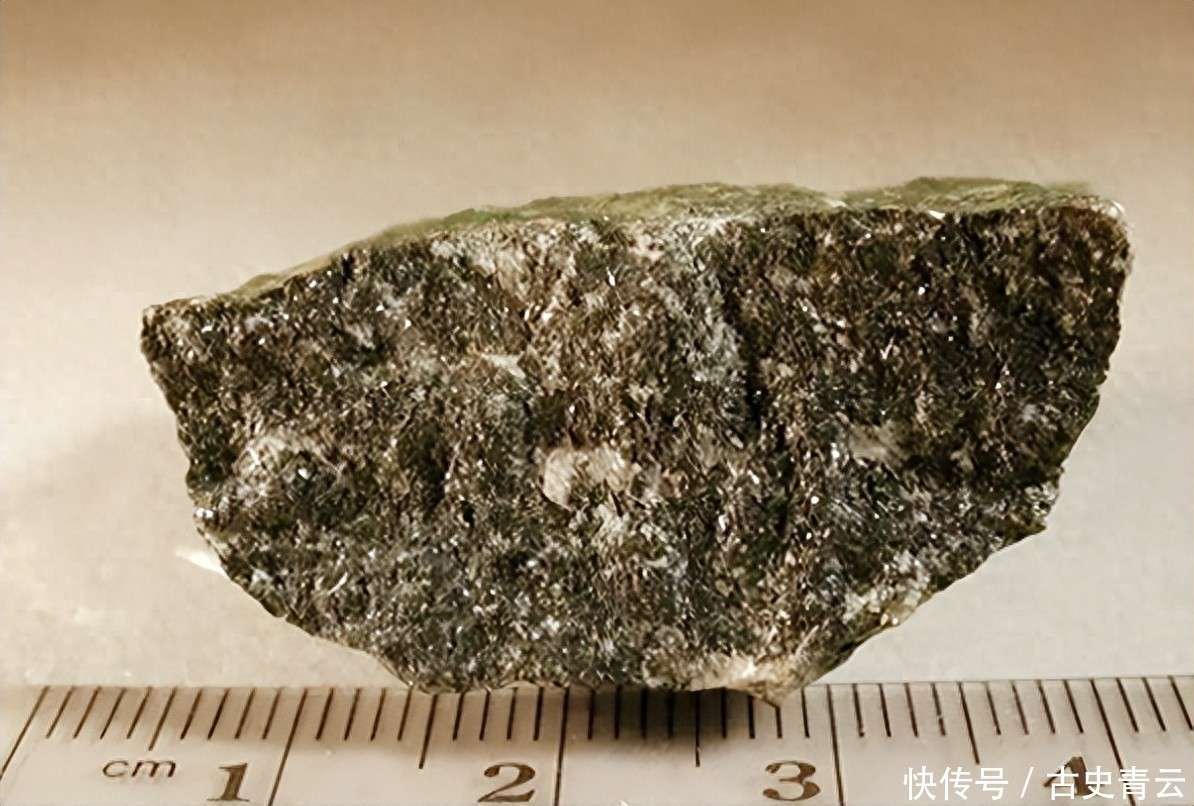
含铼单晶涡轮叶片

Search documents
稀世珍宝再现我国,多国想用先进技术来换,都被我国逐一拒绝
Sou Hu Cai Jing· 2025-12-01 04:49
Core Insights - China has discovered a rare strategic resource, which has attracted immediate interest from the US and several European countries seeking to exchange advanced technology for this critical material [1][7] - The resource, rhenium, is essential for modern aviation and has a global annual production of less than 100 tons [1][3] - China has decided not to engage in resource-for-technology exchanges, emphasizing the importance of self-reliance and technological independence [10][21] Resource Discovery and Historical Context - Historically, China relied on imports for rhenium until significant discoveries were made in the 2010s [3][5] - In 2010, a major breakthrough occurred in Shaanxi, where a rhenium reserve of 176 tons was found, significantly enhancing China's position in the global rhenium market [5][7] - A subsequent discovery in 2017 in Anhui added another 30 tons of rhenium, further solidifying China's resource base [5][7] International Reactions and Strategic Decisions - Following the confirmation of over 200 tons of high-grade rhenium, Western industrial powers reacted strongly, attempting to negotiate technology exchanges [7][9] - Experts noted that many of the technologies offered were already developed in China, and the West's strict export controls on core technologies raised concerns about long-term dependency [9][10] - China's refusal to trade rhenium for technology is seen as a lesson learned from past experiences with rare earth exports, where the country did not gain significant technological advancements [10][19] Technological Advancements and Self-Reliance - China has made significant strides in developing its own rhenium processing capabilities, including the successful production of high-purity rhenium powder [16][17] - The establishment of a complete rhenium industry chain has allowed China to move beyond being a raw material supplier to producing high-value-added products [16][17] - The successful development of single-crystal turbine blades in 2015 marked a significant milestone in China's aerospace component manufacturing [14][19] Future Prospects and Applications - Rhenium's applications extend beyond aviation, including uses in rocket nozzles, superconductors, and as catalysts in various industries [17][19] - China aims to establish a national resource security baseline and actively participate in global industry standards, reflecting its transition from an importer to a technology innovation hub [19][21] - The journey of rhenium development in China illustrates the importance of mastering core technologies to maintain a competitive edge in a changing global landscape [21]