呐兔叶黄素软糖

Search documents
部分叶黄素产品仍暗示防近视,有商家已整改
Xin Jing Bao· 2025-12-08 07:33
Core Insights - The potential harm of prolonged screen exposure on children's visual health has become increasingly prominent, leading to a surge in the children's lutein market as parents seek to protect their children's eyesight [1] - Some brands have been found to engage in misleading marketing practices regarding lutein products, suggesting efficacy in myopia prevention despite a lack of scientific evidence [2][14] Group 1: Market Dynamics - The children's lutein market is experiencing rapid growth due to rising awareness among parents about the importance of eye health [1] - Brands like GreenLife and NaturElan are still implicated in marketing practices that create anxiety and imply efficacy in myopia prevention, despite regulatory scrutiny [2][11] Group 2: Regulatory Environment - Following previous reports, the brand Zanhua has made corrections by removing misleading claims and clarifying the lack of evidence supporting lutein's role in preventing or controlling myopia [2] - Legal experts emphasize that misleading advertising, especially using endorsements from medical professionals, can violate competition laws [2] Group 3: Scientific Consensus - Experts agree that while lutein is beneficial as an antioxidant and for retinal health, there is no conclusive evidence supporting its effectiveness in preventing or controlling myopia [14][15] - The primary causes of myopia are linked to excessive near work and not directly related to lutein intake, highlighting the need for balanced dietary habits and proper eye care practices [14][15]


宣称“儿童叶黄素可防治近视”,多款产品涉嫌“套路”消费者
Bei Ke Cai Jing· 2025-07-25 01:30
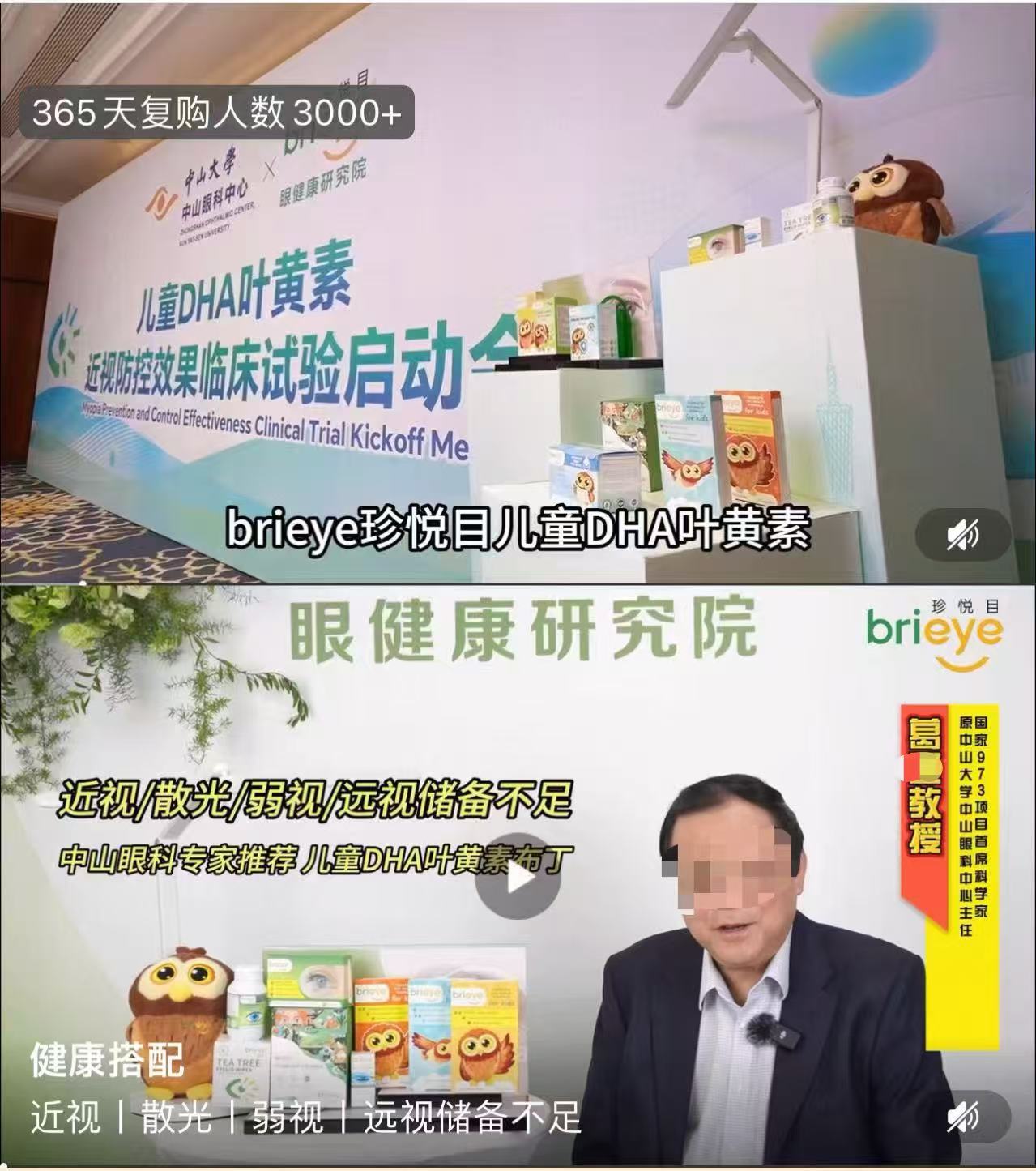
Core Viewpoint - The increasing prevalence of myopia among children has led to a surge in demand for lutein products, with many parents believing these products can prevent myopia, despite insufficient clinical evidence supporting such claims [1][2][26]. Group 1: Market Trends and Consumer Behavior - The market for children's lutein products is expanding, with many parents purchasing these products under the misconception that they can prevent myopia [1][22]. - Many lutein products on the market are gummy forms, which may contain sugars and other additives, raising concerns about their health implications for children [22][24]. - The overall myopia rate among Chinese children and adolescents is reported to be 51.9%, prompting parents to seek preventive measures [6]. Group 2: Misleading Marketing Practices - Some companies are using misleading marketing tactics, suggesting that lutein can prevent or control myopia, despite a lack of scientific evidence [2][26]. - Products like "Brieyeye" and "NaturElan" have been found to make claims about myopia prevention that are not substantiated by clinical evidence, often using expert endorsements to lend credibility [3][4][11][12]. - The use of patents in marketing claims is often misleading, as many patents cited do not relate to myopia prevention but rather to other health benefits [16][17][21]. Group 3: Regulatory and Legal Concerns - Legal experts indicate that claims regarding the prevention of myopia in lutein products may constitute false advertising under Chinese law, as these products are classified as nutritional supplements rather than medications [2][14]. - Companies are advised to ensure that their marketing practices comply with advertising laws and do not mislead consumers regarding the efficacy of their products [14][15]. - The involvement of medical professionals in marketing campaigns raises ethical concerns, particularly when their endorsements are used to promote unverified health claims [15][28]. Group 4: Expert Opinions and Recommendations - Eye care professionals emphasize that while lutein may have some benefits for eye health, there is no evidence to support its effectiveness in preventing or treating myopia [26][27]. - Experts recommend that parents focus on proper eye care practices, such as reducing screen time and increasing outdoor activities, rather than relying solely on dietary supplements [27].