味全每日C

Search documents
困在“舒适区”的日系饮料,如何错失中国饮料市场?
Xin Lang Cai Jing· 2025-12-09 05:39
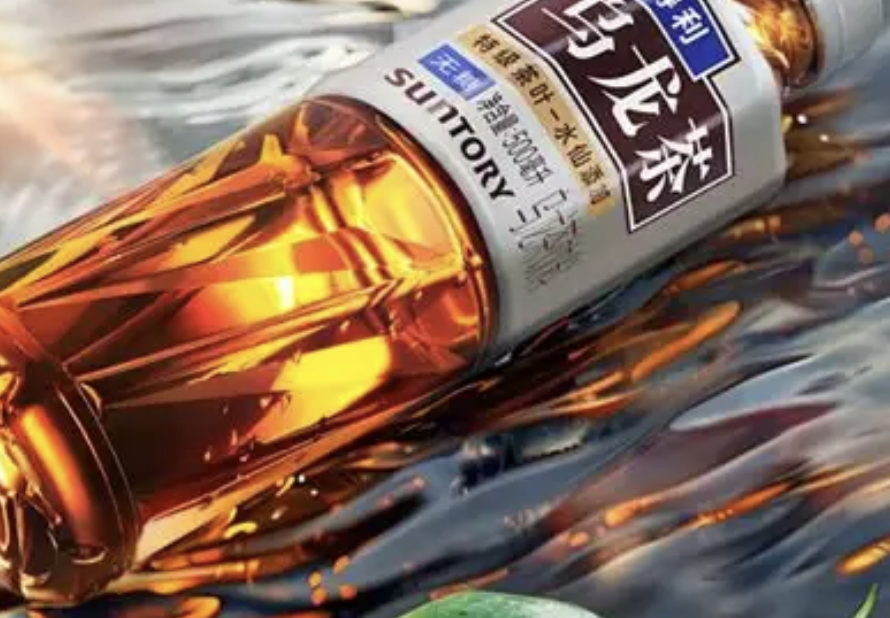
Core Insights - Japanese beverage brands are facing stagnation in growth and declining market share in China due to the rise of local brands that leverage rapid innovation and targeted marketing strategies [1][5][11] Group 1: Market Dynamics - Japanese beverages like Suntory's Oolong tea and Yakult have dominated niche categories in China but are now losing ground to local brands [1] - The Chinese beverage market has become highly competitive, with local brands rapidly innovating and expanding their distribution channels [1][5] Group 2: Localization Strategies - Japanese brands initially adopted localization strategies to resonate with Chinese consumers, incorporating cultural symbols and local language in branding [2][4] - However, the superficial approach to localization has led to consumer skepticism, as many now perceive these brands as "disguised" rather than genuinely integrated [4] Group 3: Product Innovation - Japanese brands have been slow to innovate, with Yakult only introducing a few product variations since its entry into China in 2002, while local brands rapidly launch new products [5][6] - The average R&D investment for Japanese beverage brands is less than 2%, compared to 5.8% and 3.5% for local brands like Yuanqi Forest and Nongfu Spring, respectively [6] Group 4: Supply Chain Efficiency - Japanese brands face higher production costs, estimated to be 15%-20% more than local competitors, due to reliance on imported materials and inefficient supply chain management [11][12] - Local brands have developed efficient supply chains that allow for lower prices and faster market response, further eroding the competitive edge of Japanese brands [12] Group 5: Channel Strategy - Japanese brands have become overly reliant on convenience stores, which has limited their market reach and adaptability to changing consumer preferences [8][9] - Local brands are adopting a multi-channel strategy, expanding into various retail formats and rural markets, which has proven more effective in capturing market share [8][9] Group 6: Consumer Trust and Health Narratives - Japanese brands have struggled to maintain consumer trust as health narratives based on scientific claims have been challenged by consumers' increasing focus on ingredient transparency [10][13] - Instances of product quality issues have further damaged the reputation of Japanese brands, leading to a decline in perceived quality and trust [15][16] Group 7: Future Outlook - For Japanese brands to regain growth in China, they must either fully localize their operations or focus on creating unique value propositions in niche markets [17]



果汁饮料火了,但味全接不住这“泼天的富贵”
Sou Hu Cai Jing· 2025-05-23 02:35
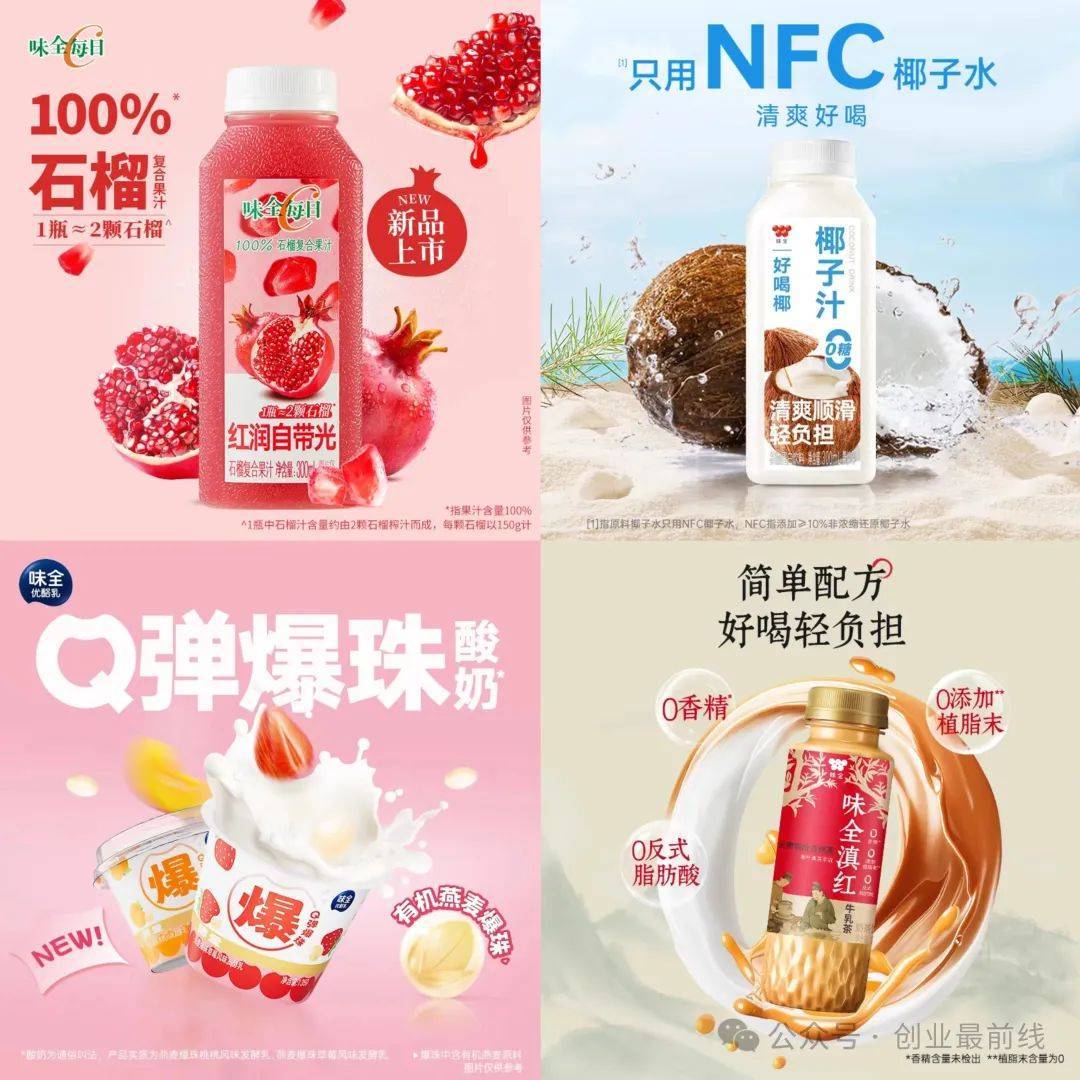
Core Viewpoint - Wei Chuan is launching a series of new products to attract young consumers, including pomegranate juice, tomato juice, coconut water, and yogurt drinks, amidst increasing competition in the beverage market [1][3] Group 1: Market Position and Competition - The beverage market in China is projected to reach 1.6 trillion yuan by 2025, with a compound annual growth rate of approximately 8.5%, driven largely by Generation Z and younger consumers who contribute about 65% of market growth [5] - Wei Chuan has faced increasing market pressure as numerous brands continuously launch new products, leading to a decline in its market presence [3][4] - Despite its historical success in the cold beverage segment, Wei Chuan's marketing efforts have become less effective, resulting in a perception of low brand visibility [3][4] Group 2: Marketing Strategies - Wei Chuan has adopted successful bottle marketing strategies, similar to Coca-Cola's, to engage younger consumers, including removing its logo and using encouraging messages on packaging [6][4] - The company experienced a 20% monthly growth in sales in 2016 due to these marketing strategies, with sales in June exceeding the previous year's figures by 50% [6] - Recent product launches, such as coconut water and "five black" milk, aim to cater to the health-conscious preferences of younger consumers [9][13] Group 3: Product Challenges - Wei Chuan's cold chain logistics and short shelf life of products create both a competitive advantage and a limitation, as they lead to higher costs and potential waste [21][26] - The company has struggled to maintain its market position against competitors who offer longer shelf-life products, leading to challenges in securing shelf space in retail outlets [21][28] - The rise of high-end juice products, such as NFC and 100% juice, has intensified competition, with many brands entering the market and driving prices down [27][31] Group 4: Consumer Perception - Consumer feedback indicates that many purchase Wei Chuan products for their packaging rather than the product quality, highlighting a disconnect between brand perception and product appeal [9][21] - The company has faced criticism for its pricing strategy, with consumers finding Wei Chuan's products expensive compared to competitors offering similar quality at lower prices [33][34] - The increasing presence of competing brands in the yogurt and dairy segments further pressures Wei Chuan's market share, as it struggles to differentiate itself in a crowded marketplace [34]